🇬🇧 Marinas in United Kingdom — North Sea
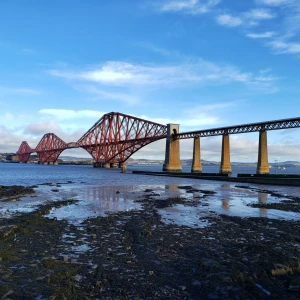
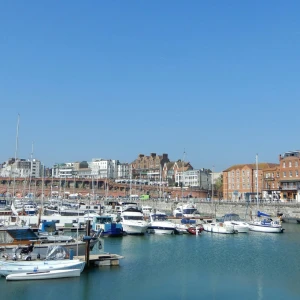
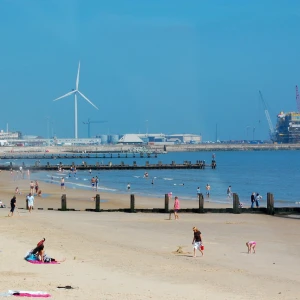
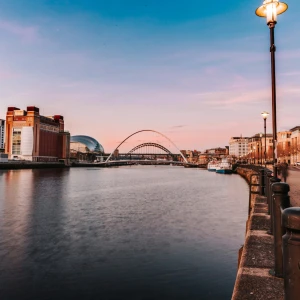
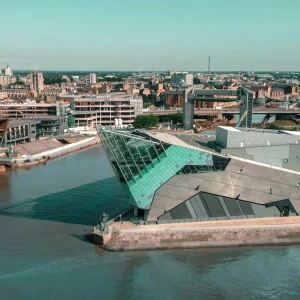
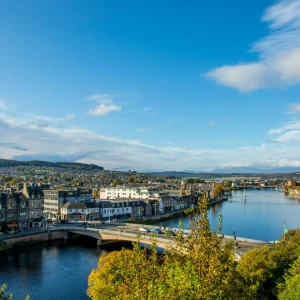
The United Kingdom’s North Sea coast combines the tidal estuaries of eastern England, Scotland’s open shores and passages to Orkney and Shetland.

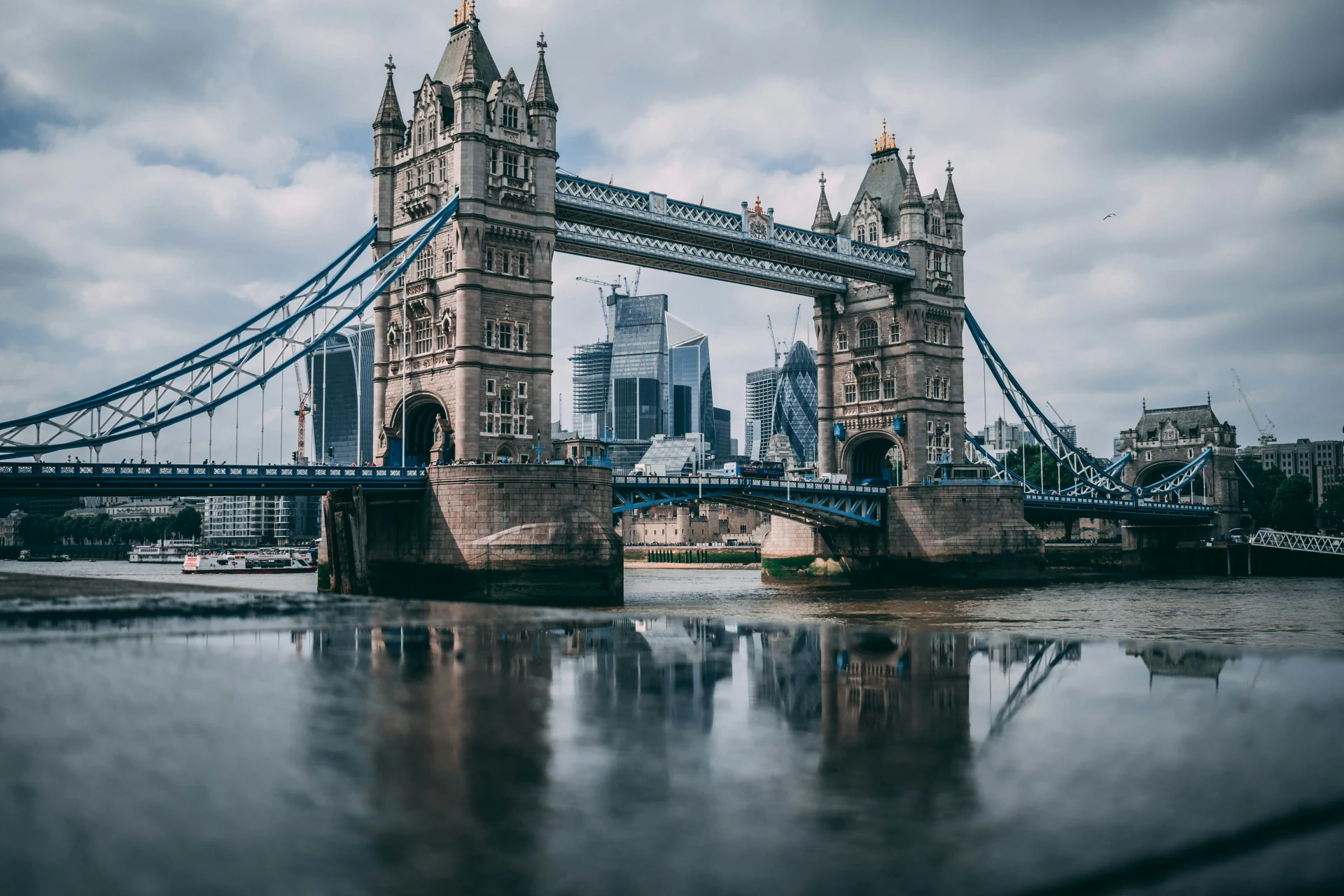


United Kingdom
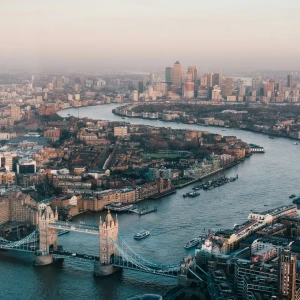
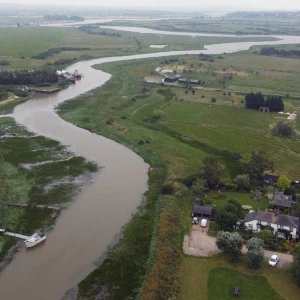
Great Britain’s eastern coast changes from low shores and broad estuaries in the south to rocky headlands farther north. In Essex and Suffolk, sea passages alternate with sailing along tidal rivers. Beyond lie the open coasts of Yorkshire and Northumberland, the Firth of Forth and the Moray Firth. Orkney and Shetland offer distinct island routes, reached by open-water passages from the mainland.
Long summer daylight helps with passage planning, but the Scottish coast and northern islands are cooler and windier than the south. Differences between areas become more pronounced in spring and autumn. Sea fog can cover the east coast even when the weather is clear inland.
Tides shape departure and arrival times: some berths dry out, while gates and bridges have their own operating schedules. Sandbanks and shallow approaches characterise the south; strong currents affect particular sounds around Orkney. Open stretches separate harbours, so staying close to shore does not provide continuous shelter.
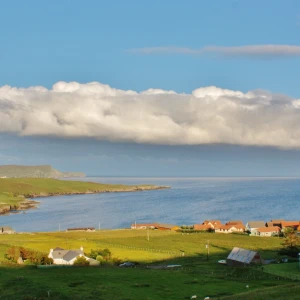
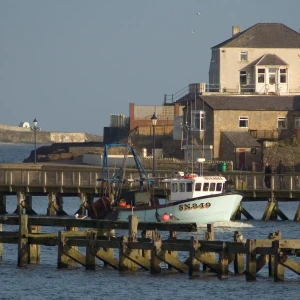
Ashore, seaside towns give way to fishing communities and island harbours. Stromness retains its maritime history in the old waterfront buildings. Around Orkney, town stops can be combined with cliff-top walks and visits to ancient sites. The journey changes markedly from the English estuaries to the northern islands.
Sailing character
- Tides
- Open coast
- Island hopping
Tidal rivers in the south, exposed passages along the mainland and island routes in the north. Conditions between harbours can differ more than their distance on the map suggests.
What to explore ashore
- Historic towns
- Maritime heritage
- Coastal nature
Watch out
- Tidal access — Eastern and northeast England: Norfolk to Northumberland, Eastern Scotland: Firth of Forth to Moray Firth and WickDrying berths at Whitby and dock gates at Arbroath; access is harbour-specific.
- Strait currents — Orkney and ShetlandOrkney, particularly Hoy Sound on the approach to Stromness.
- Sea fog — Southern estuaries: Kent, Thames, Essex and Suffolk, Eastern and northeast England: Norfolk to Northumberland, Eastern Scotland: Firth of Forth to Moray Firth and Wick
Sailing areas
In April and September, the southern estuaries generally offer more cruising opportunities than Orkney and Shetland. Northern spring is colder and autumn daylight decreases faster. The winter label indicates an unfavourable period for a typical cruise, not a sailing ban or closure of every harbour.
- Southern estuaries: Kent, Thames, Essex and Suffolk: Tides
- Eastern and northeast England: Norfolk to Northumberland: Tides, Open coast
- Eastern Scotland: Firth of Forth to Moray Firth and Wick: Tides, Open coast
- Orkney and Shetland: Tides, Island hopping, Open coast
Practical information
Currency
Pound sterling · GBP
Official languages
English — main language, Gaelic — Scotland, Scots — Scotland, Welsh — Wales, Irish — Northern Ireland
Emergency contacts
Emergency services
999HM Coastguard
VHF voice channel 16
Call 999 and ask for the Coastguard. For marine radio contact, use VHF channel 16.
Official resources
- Marine forecasts · Met Office Wind, sea state and visibility by sea area
- Navigation warnings and Notices to Mariners · UKHO NAVAREA I, coastal warnings and chart corrections
- Nautical charts · ADMIRALTY / UKHO Official coastal and harbour approach charts
Checked
Arrival and formalities
For a private pleasure craft arriving in England, Scotland or the northern islands. Voyages from Ireland and the Crown Dependencies have separate HMRC conditions.
Checked
From continental Europe or another country
Vessel reporting and the crew’s immigration permission are separate.
- Submit sPCR 2–24 hours before departure. Update it if the voyage or people aboard change.
- Before arrival, follow HMRC’s Q-flag and border-clearance instructions. A marina booking does not replace them.
- Check each person’s documents, visa or ETA requirements on GOV.UK. Where Border Force permission to disembark is required, wait for it.
Domestic passage
A passage between Great Britain’s ports without a foreign call is not an arrival from abroad.
- Check local port requirements and retain the vessel’s documents and evidence of customs status aboard.
Customs
Temporary admission depends on the vessel’s registration and use, ownership and the user’s residence. A foreign flag alone does not establish eligibility for relief. Check HMRC’s conditions and the vessel’s status documents before travelling.
Information sources
Checked
-
Met Office — Regional climates
Sailing here
-
Met Office — Northern Scotland: climate
Sailing here
-
Crouch Harbour Authority — Buoyage
Sailing here
-
Orkney Marinas — Sailing to and around Orkney
Sailing here
-
North Yorkshire Council — Leisure vessels at Whitby Harbour
Sailing here
-
VisitScotland — Orkney
Sailing here
-
Orkney.com — Stromness
Sailing here
-
Angus Council — Arbroath Harbour
Sailing here
-
Met Office — Fog
Sailing here
-
Bank of England — Who sets exchange rates?
Currency
-
UK Parliament — National Identity: Languages
Official languages
-
Education Scotland — Languages
Official languages
-
Welsh Government — Compliance with Welsh language standards
Official languages
-
Identity and Language (Northern Ireland) Act 2022 — Part 1
Official languages
-
HM Coastguard — In an emergency
Emergency contacts · HM Coastguard
-
Submit sPCR
From continental Europe or another country
-
HMRC arrival rules
From continental Europe or another country · Domestic passage
-
Check entry requirements
From continental Europe or another country
-
Documents when sailing in the UK
Domestic passage
-
Temporary admission conditions
Customs
Marinas on the map
Use the map to place the country, its sailing destinations, islands, and available marina pages before choosing where to sail next.
Popular places in United Kingdom
Browse popular sailing places in United Kingdom. Places with the most marinas appear first.