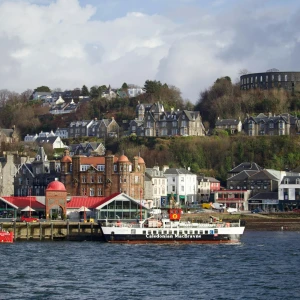
Marinas in United Kingdom — Atlantic Europe
The United Kingdom in Atlantic Europe combines the busy ports of the English Channel with fishing harbours, rocky coasts and the islands of western Scotland.
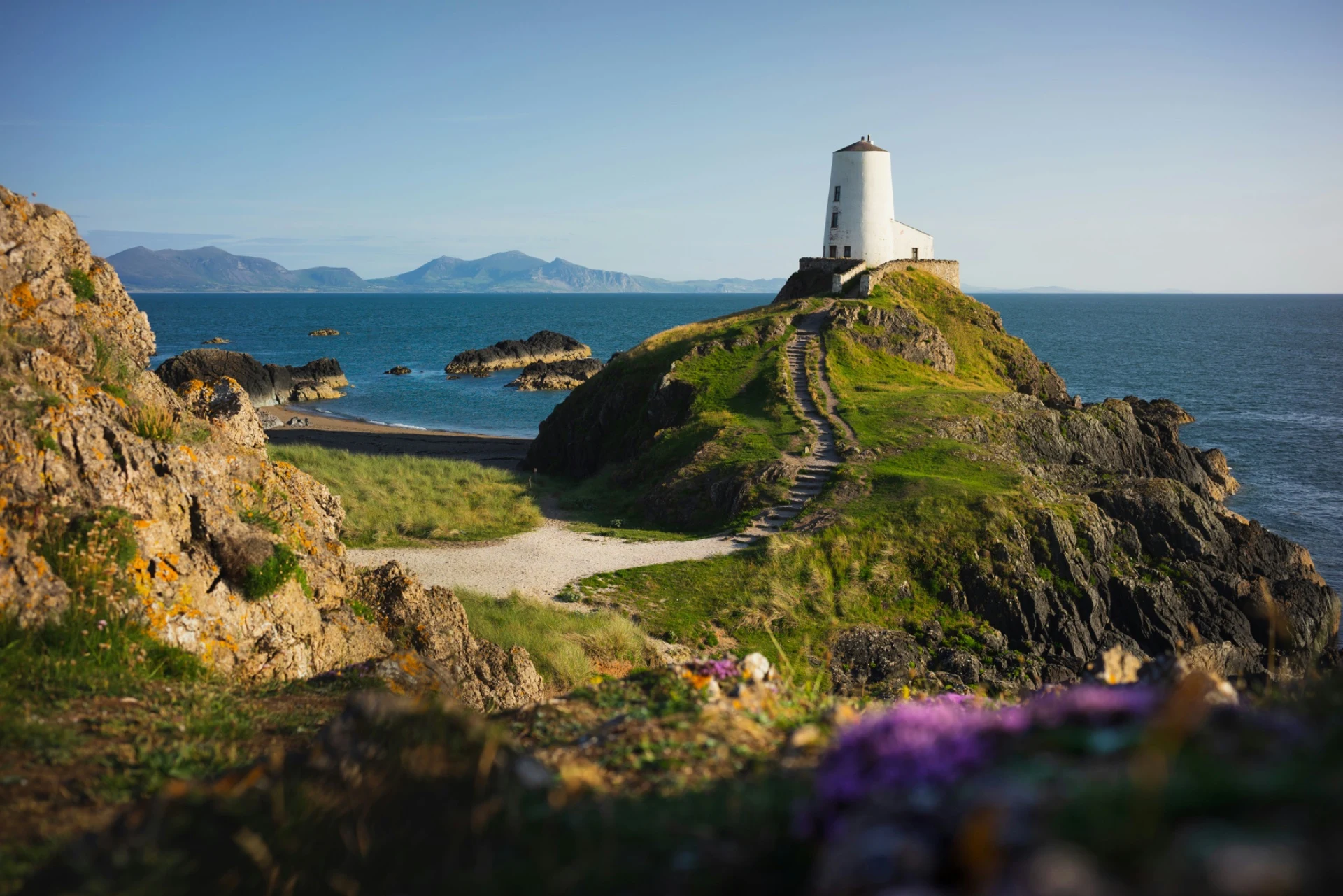
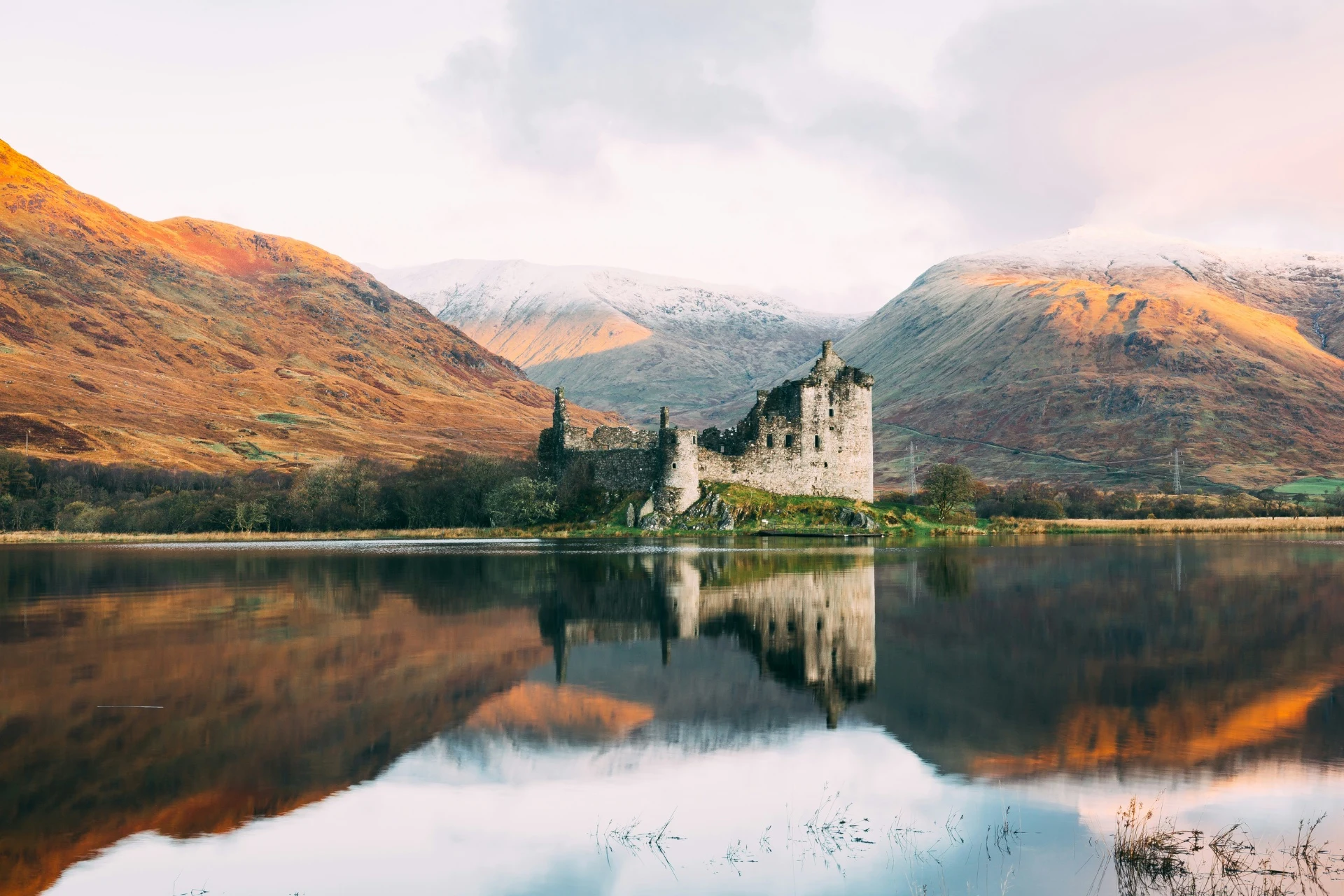
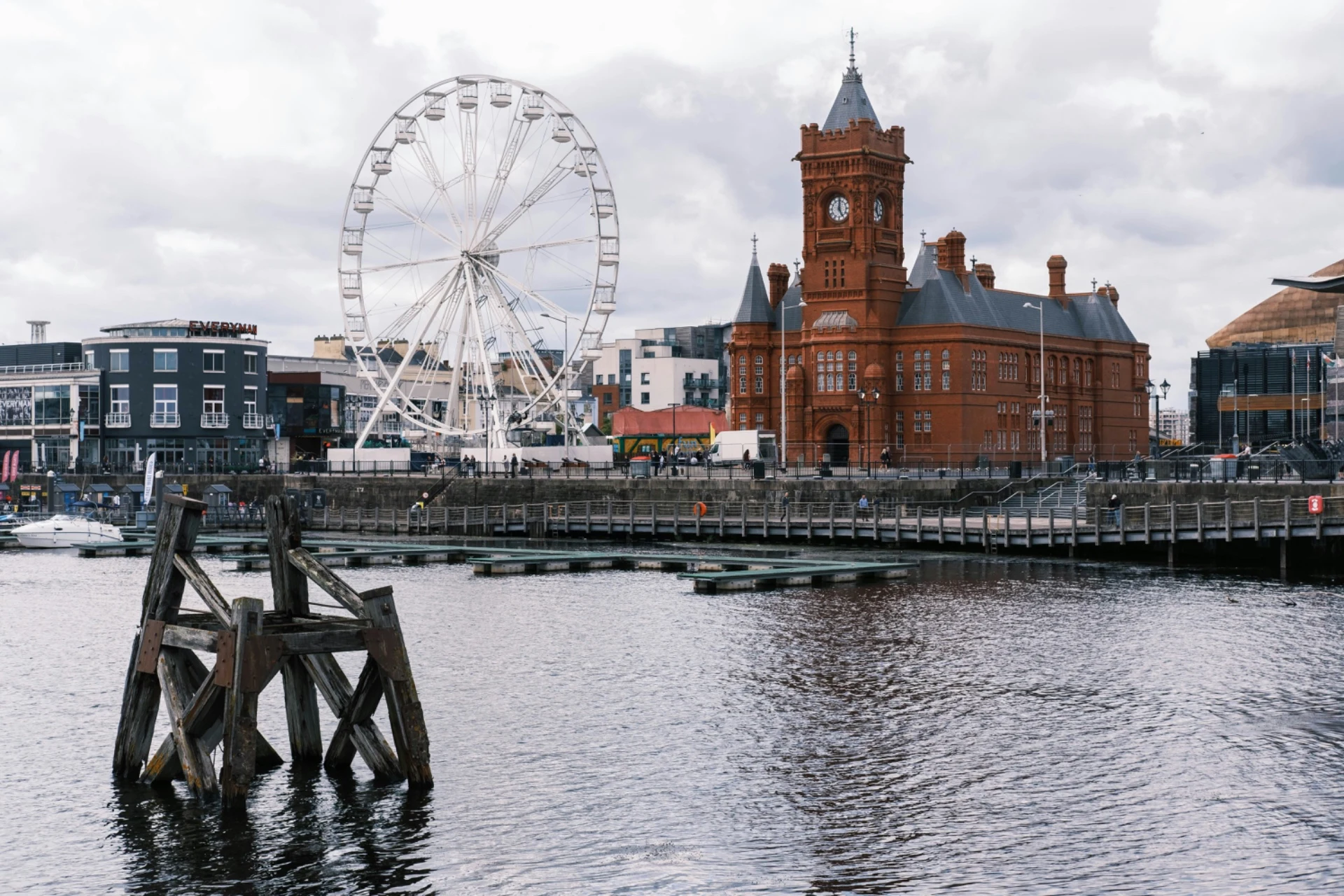
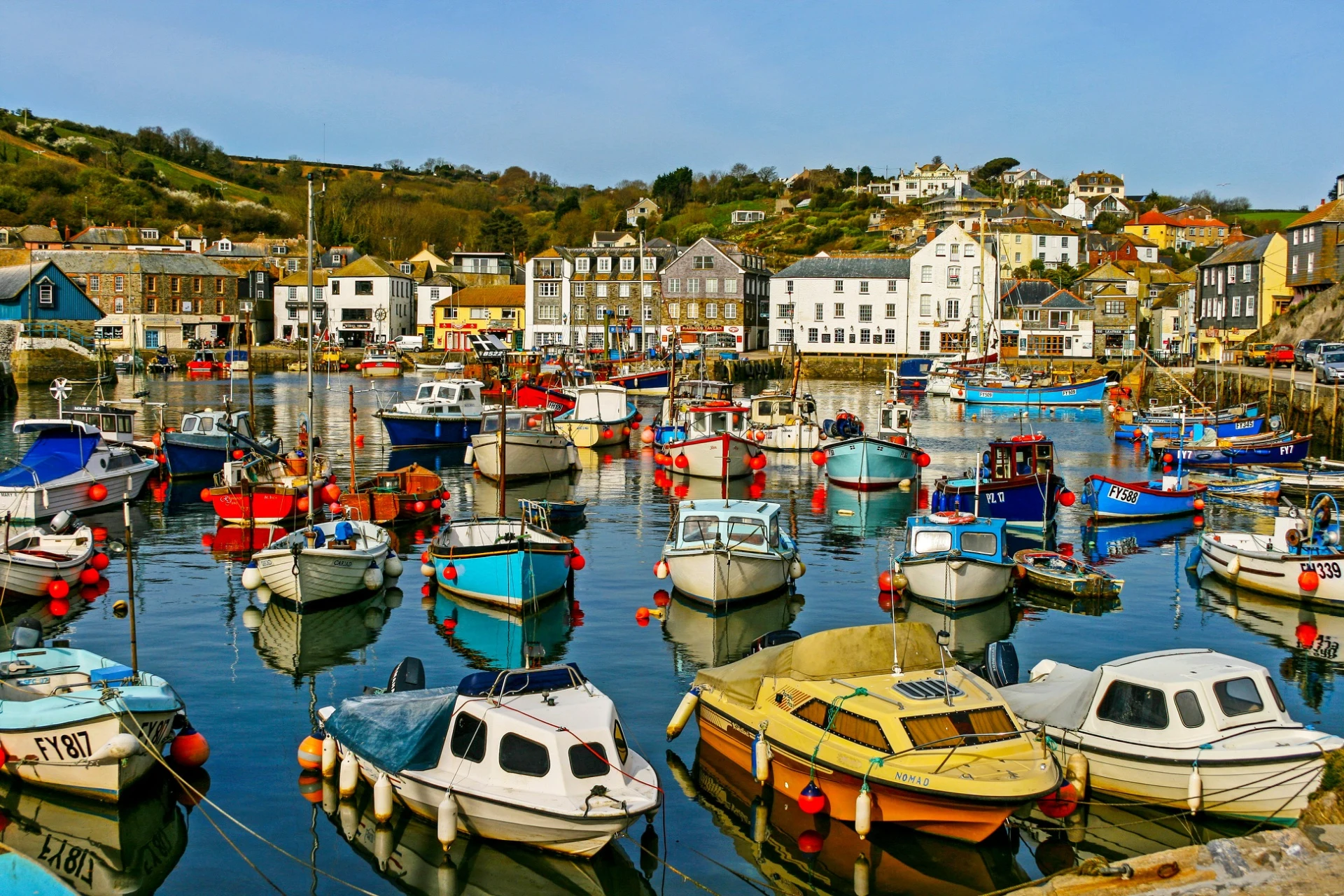
United Kingdom
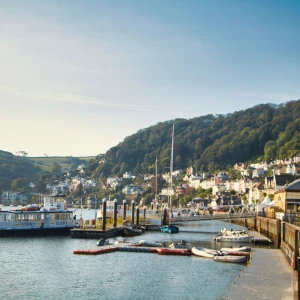
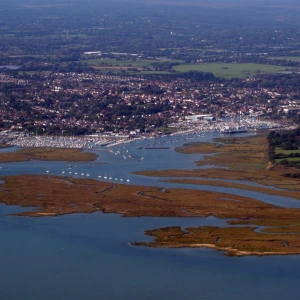
The Solent and the English Channel coast have many lively seaside towns, river mouths and major ports. In Cornwall and Wales, small harbours alternate with open stretches of coast. Northern Ireland adds coastal towns and bays, while western Scotland offers islands and long sea lochs among the mountains. Town stops can be combined with sailing along sparsely populated shores.
June to August is the main reference period for a summer trip, with long daylight hours. Southern England is generally warmer and drier than western Scotland. Even in summer, it can be cool on the water, and rain and strong winds can replace sunshine. The Atlantic’s influence is particularly noticeable on the west coast.
Tides determine passage times and access to some harbours. The tidal range is particularly large in the Bristol Channel, while tidal streams matter around headlands and in straits. Wind against the current can produce short, steep waves. In the Solent and near major ports, yachts share the water with commercial ships and ferries.
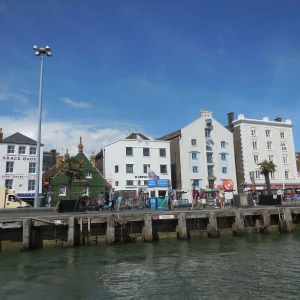
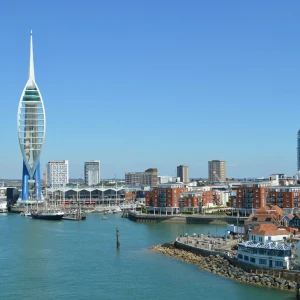
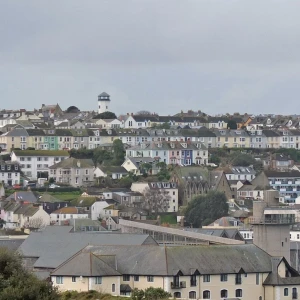
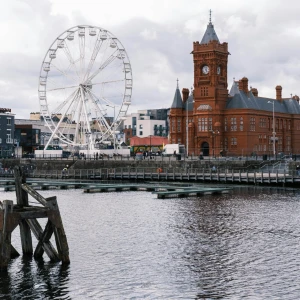
Ashore, maritime history sits alongside the everyday life of port towns. Portsmouth has historic ships to visit, and Cornwall has old fishing harbours. In Wales, coastal walks can be combined with visits to castles; on the Scottish islands, there are distilleries and trails through the hills.
Sailing character
- Tides
- Open coast
- Island hopping
Tides influence passage timing and harbour access. Open coast alternates with river estuaries and sea lochs; island cruising is especially characteristic of western Scotland.
What to explore ashore
- Historic towns
- Maritime heritage
- Coastal nature
Watch out
- Tidal harbour access — Southwest England and the Isles of Scilly, Bristol Channel and south Wales, West Wales and northwest EnglandAccess to some harbours depends on water levels and the operation of locks or gates.
- Currents in straits — English Channel and Solent: Dover to Poole, Western Scotland and the HebridesStrong tidal streams in parts of the Solent and in straits along western Scotland.
Sailing areas
The Channel and Solent are generally warmer and drier than western Scotland. The open coasts of Cornwall, Wales and Northern Ireland are more exposed to Atlantic weather. The Hebrides are cooler, and spring and early summer can be drier than late summer. Allow different weather margins for sheltered Clyde waters and exposed island passages.
- English Channel and Solent: Dover to Poole: Tides, Open coast, Island hopping
- Southwest England and the Isles of Scilly: Tides, Open coast, Island hopping
- Bristol Channel and south Wales: Tides, Open coast
- West Wales and northwest England: Tides, Open coast
- Northern Ireland: Tides, Open coast
- Firth of Clyde and its islands: Tides, Island hopping
- Western Scotland and the Hebrides: Tides, Island hopping, Open coast
Practical information
Currency
Pound sterling · GBP
Official languages
English — main language, Gaelic — Scotland, Scots — Scotland, Welsh — Wales, Irish — Northern Ireland
Emergency contacts
Emergency services
999HM Coastguard
VHF voice channel 16
Call 999 and ask for the Coastguard. For marine radio contact, use VHF channel 16.
Official resources
- Marine forecasts · Met Office Wind, sea state and visibility by sea area
- Navigation warnings and Notices to Mariners · UKHO NAVAREA I, coastal warnings and chart corrections
- Nautical charts · ADMIRALTY / UKHO Official coastal and harbour approach charts
Checked
Arriving by private yacht
For private pleasure craft. Great Britain (GB) means England, Scotland and Wales. Northern Ireland is part of the UK, but some rules differ.
Checked
From outside the Common Travel Area
For example, from France, Spain or Portugal: an arrival in GB or Northern Ireland must be reported.
- Check travel documents and visa or ETA requirements for everyone aboard.
- Submit online sPCR 2–24 hours before departure. Amend or cancel the report if plans change; the linked guidance explains fallback reporting methods.
- Fly Q on entering UK waters until customs reporting is complete. If immigration permission to enter is required, obtain it before going ashore.
From Ireland, the Isle of Man or the Channel Islands
Different exceptions apply to the vessel and the people aboard.
- From the Republic of Ireland to GB, reporting is required. For Northern Ireland, report the vessel; passenger and crew details are not required.
- A vessel report is not required from the Isle of Man to GB or Northern Ireland, but is required from the Channel Islands. Check personal entry eligibility under Common Travel Area rules.
Between UK ports
An ordinary domestic passage, including GB ↔ Northern Ireland, does not require an overseas arrival report.
- Keep evidence of the yacht’s customs status. Check rules for goods carried between GB and Northern Ireland.
The yacht’s customs status
Registration alone does not prove UK VAT payment. Subject to Temporary Admission conditions, private use by a non-resident can last up to 24 months in GB or 18 months in Northern Ireland. Check eligibility for the owner, user and vessel; personal immigration time limits are separate.
Information sources
Checked –
-
Met Office — Southern England climate
Sailing here
-
Met Office — South West England climate
Sailing here
-
Met Office — Western Scotland climate
Sailing here
-
Met Office — Northern Scotland climate
Sailing here
-
Met Office — Northern Ireland climate
Sailing here
-
Argyll & the Isles — Sailing the West Coast of Scotland
Sailing here
-
RYA — Explore the Bristol Channel
Sailing here
-
Visit Hampshire — The Solent
Sailing here
-
Cowes Harbour Commission — Oil Spill Response Plan 2026
Sailing here
-
Portsmouth Historic Dockyard
Sailing here
-
National Trust — Coast and beaches in Cornwall
Sailing here
-
Visit Wales — Great castles in Wales
Sailing here
-
Discover Northern Ireland — Quaint harbours and seaside villages
Sailing here
-
Whitehaven Marina
Sailing here
-
Bank of England — Who sets exchange rates?
Currency
-
UK Parliament — National Identity: Languages
Official languages
-
Education Scotland — Languages
Official languages
-
Welsh Government — Compliance with Welsh language standards
Official languages
-
Identity and Language (Northern Ireland) Act 2022 — Part 1
Official languages
-
HM Coastguard — In an emergency
Emergency contacts · HM Coastguard
-
Arrival rules
From outside the Common Travel Area · From Ireland, the Isle of Man or the Channel Islands · Between UK ports
-
Submit sPCR
From outside the Common Travel Area · From Ireland, the Isle of Man or the Channel Islands
-
Visa or ETA
From outside the Common Travel Area · The yacht’s customs status
-
Common Travel Area rules
From Ireland, the Isle of Man or the Channel Islands
-
Evidence of vessel status
Between UK ports · The yacht’s customs status
-
HMRC — Sailing a pleasure craft into the UK temporarily for private use
Between UK ports · The yacht’s customs status
Marinas on the map
Use the map to place the country, its sailing destinations, islands, and available marina pages before choosing where to sail next.
Popular places in United Kingdom
Browse popular sailing places in United Kingdom. Places with the most marinas appear first.