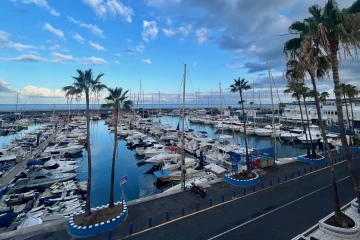
🇪🇸 Marinas in Spain — Atlantic Europe
Atlantic Spain brings together the green northern coast, Galicia’s rías, the sandy shores around Cádiz and the volcanic Canary Islands.
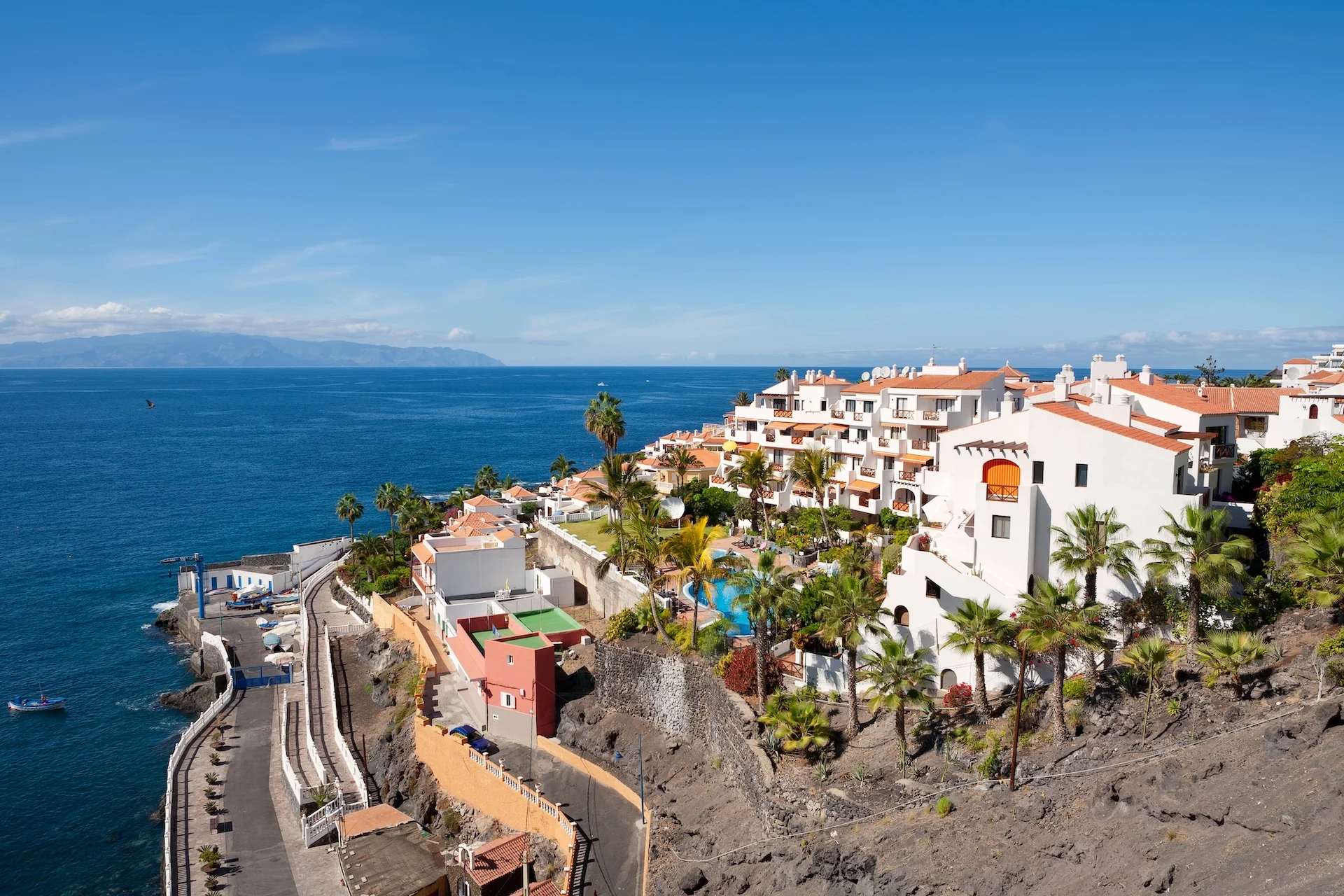
Spain
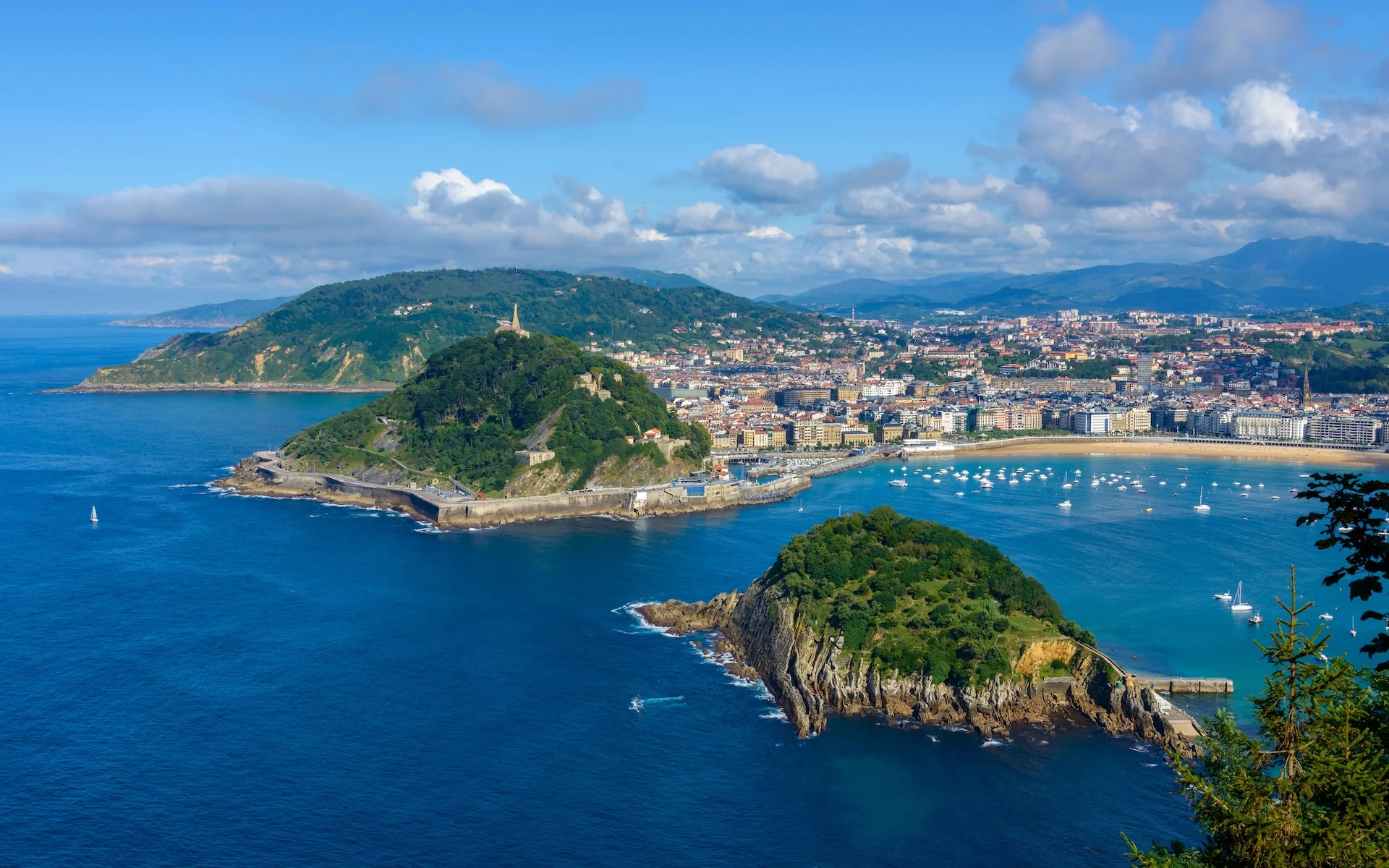
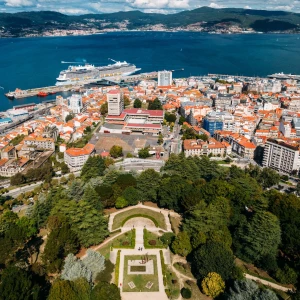
In northern Spain, rocky headlands alternate with bays and port towns. Galicia’s rías reach far inland, allowing exposed coastal passages to be combined with sailing inside the inlets. South of Portugal, Spain’s Gulf of Cádiz coast offers sandy beaches and river mouths.
Summer is the best starting point for a northern coastal itinerary, with time allowed for changes in the weather. Tides, ocean swell and wind around headlands affect passages and harbour approaches. The warm season is longer around Cádiz, though strong winds can alter plans here too.
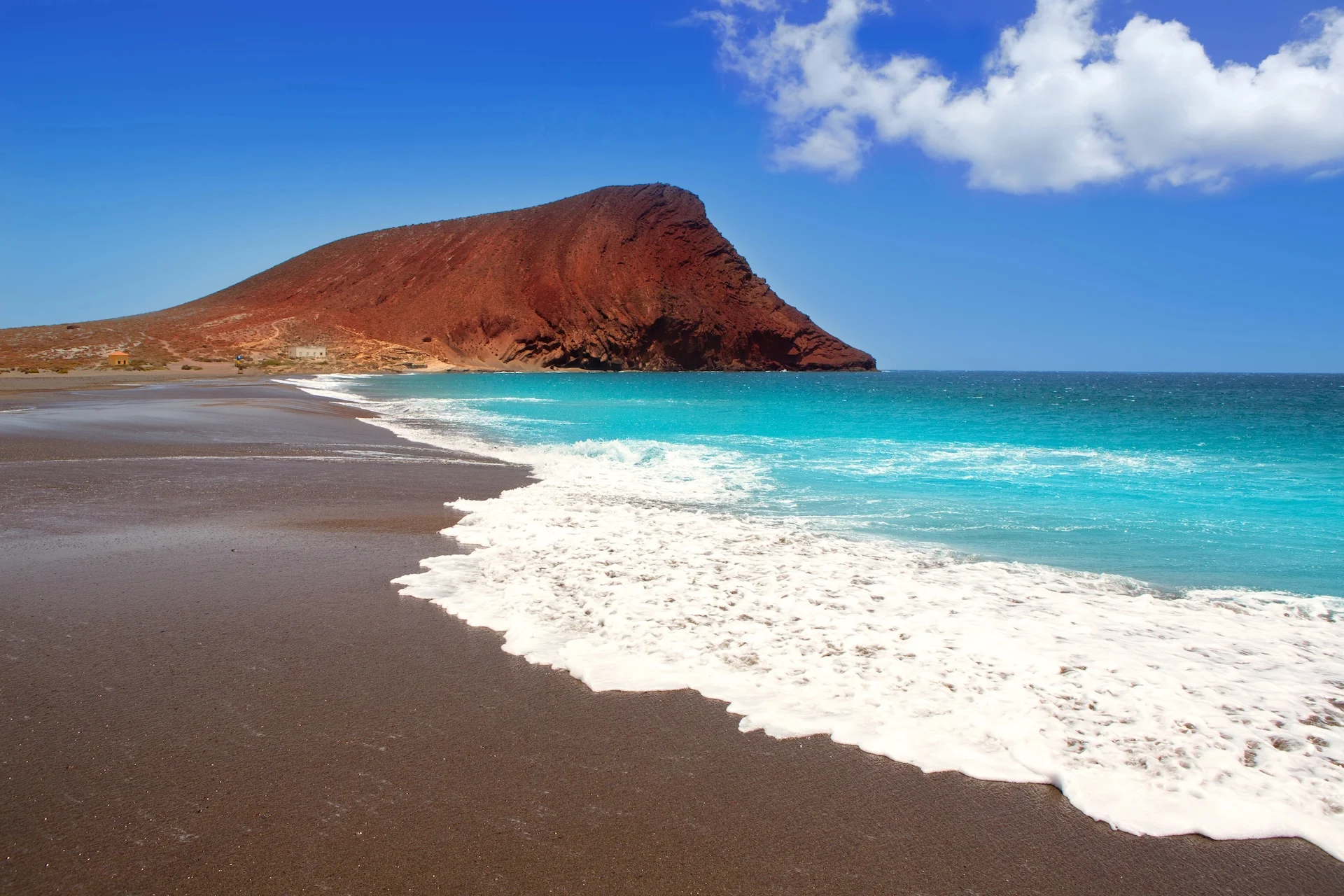
The Canaries form a separate ocean sailing area with a year-round season. Open-water crossings connect the volcanic islands, and conditions differ markedly between windward and leeward shores. Ashore, mountain landscapes, small settlements and island food add variety to a sailing trip.
Sailing character
- Open coast
- Tides
- Island hopping
- Long passages
In the north, exposed headlands alternate with bays and Galicia’s rías. Tides affect depths and harbour approaches. Canary Island crossings take place on the open ocean; reaching the archipelago from the mainland is a separate long passage. Sudden wind increases known as galernas can occur along the Cantabrian coast.
What to explore ashore
- Islands
- Coastal nature
- Maritime heritage
Watch out
- Restricted waters — GaliciaNavigation and anchoring permits are required in Galicia’s Atlantic Islands National Park.
Sailing areas
Cantabrian coast and Galicia: June–September is the main season, May and October are shoulder months, and November–April calls for greater readiness for difficult conditions. The Gulf of Cádiz has a longer warm season, but wind and swell still govern plans. When planning passages in the Canaries, allow for trade winds and differences between windward and leeward coasts.
- Cantabrian coast: Open coast, Tides
- Galicia: Open coast, Tides, Island hopping
- Gulf of Cádiz: Open coast, Tides
- Canary Islands: Island hopping, Open coast, Long passages
Practical information
Currency
Euro · EUR
Official languages
Spanish — nationwide, Galician — Galicia, Basque — Basque Country and part of Navarre, Catalan — Catalonia and the Balearics; Valencian — Valencia, Aranese — Catalonia
Emergency contacts
General emergency number
112Salvamento Marítimo
900 202 202VHF voice channel 16
Maritime emergency telephone in Spain; also 112. Use VHF channel 16 for a marine radio voice call.
Official resources
- Marine forecasts · AEMET Wind, waves and warnings by area
- Notices to Mariners · Instituto Hidrográfico de la Marina Navigation changes and chart corrections
- Tides and waves · Puertos del Estado Sea-level and wave observations and forecasts
- Atlantic Islands of Galicia · Parque Nacional Illas Atlánticas de Galicia Navigation and anchoring permits
- Advice on orca interactions · Salvamento Marítimo Official advice for passage preparation
Checked
Arrival and formalities
For a private pleasure boat. Personal border formalities and the vessel’s customs status are separate.
Checked
From the Schengen area
Normally without border checks; checks remain possible.
- Check arrival arrangements with the chosen port.
- Carry vessel registration, insurance and an appropriate skipper’s certificate.
From outside Schengen
Arrive through a maritime border crossing.
- Arrange clearance; prepare personal documents, vessel details and a crew list.
To or from the Canaries
The Canaries are within EU customs territory but outside its VAT territory.
- Ask customs in advance about vessel and goods formalities for your route.
Vessel customs status
Temporary admission of a non-EU yacht depends on registration, residence and use. Moving between EU countries does not restart the period. Check your yacht’s eligibility.
Information sources
Checked
-
AEMET repository — Regional winds and storm seasonality
Sailing here
-
Canary Islands Tourism — Sailing in the Canary Islands
Sailing here
-
Spain.info — Two seas and an ocean
Sailing here
-
Spain.info — Sailing destinations
Sailing here
-
Puertos del Estado — Oceanography and Portus
Sailing here
-
Atlantic Islands of Galicia National Park — Navigation and anchoring
Sailing here
-
European Union — Spain
Currency · Official languages
-
La Moncloa — Constitution and official languages
Official languages
-
Salvamento Marítimo — Emergency and nautical safety
Emergency contacts · Salvamento Marítimo
-
EUR-Lex — Schengen Borders Code, Annex VI 3.2.4–3.2.6
From the Schengen area · From outside Schengen
-
Port requirements
From the Schengen area
-
EU territories and VAT
To or from the Canaries
-
Agencia Tributaria — Temporary admission authorisation
To or from the Canaries
-
Temporary admission of boats
Vessel customs status
Marinas on the map
Use the map to place the country, its sailing destinations, islands, and available marina pages before choosing where to sail next.
Popular places in Spain
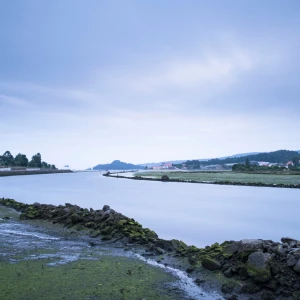
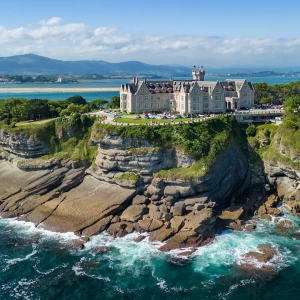
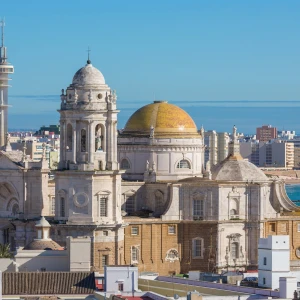
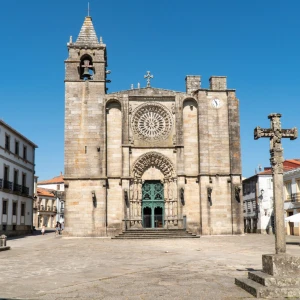
Browse popular sailing places in Spain. Places with the most marinas appear first.




Top rated marinas
Discover the best marinas in Spain, ranked by skipper ratings and reviews.