🇪🇸 Marinas in Spain — Western Mediterranean
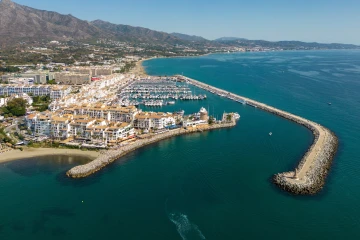
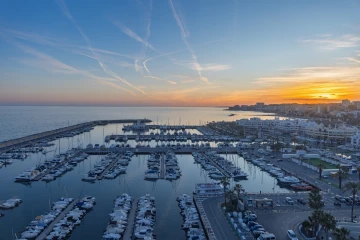
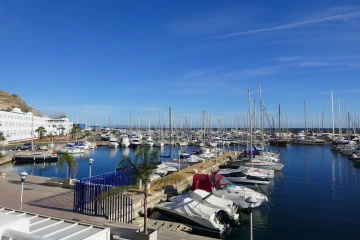
Mediterranean Spain offers long sandy beaches, rocky coves and coastal towns from Andalusia to Catalonia, alongside island sailing in the Balearics.
Spain
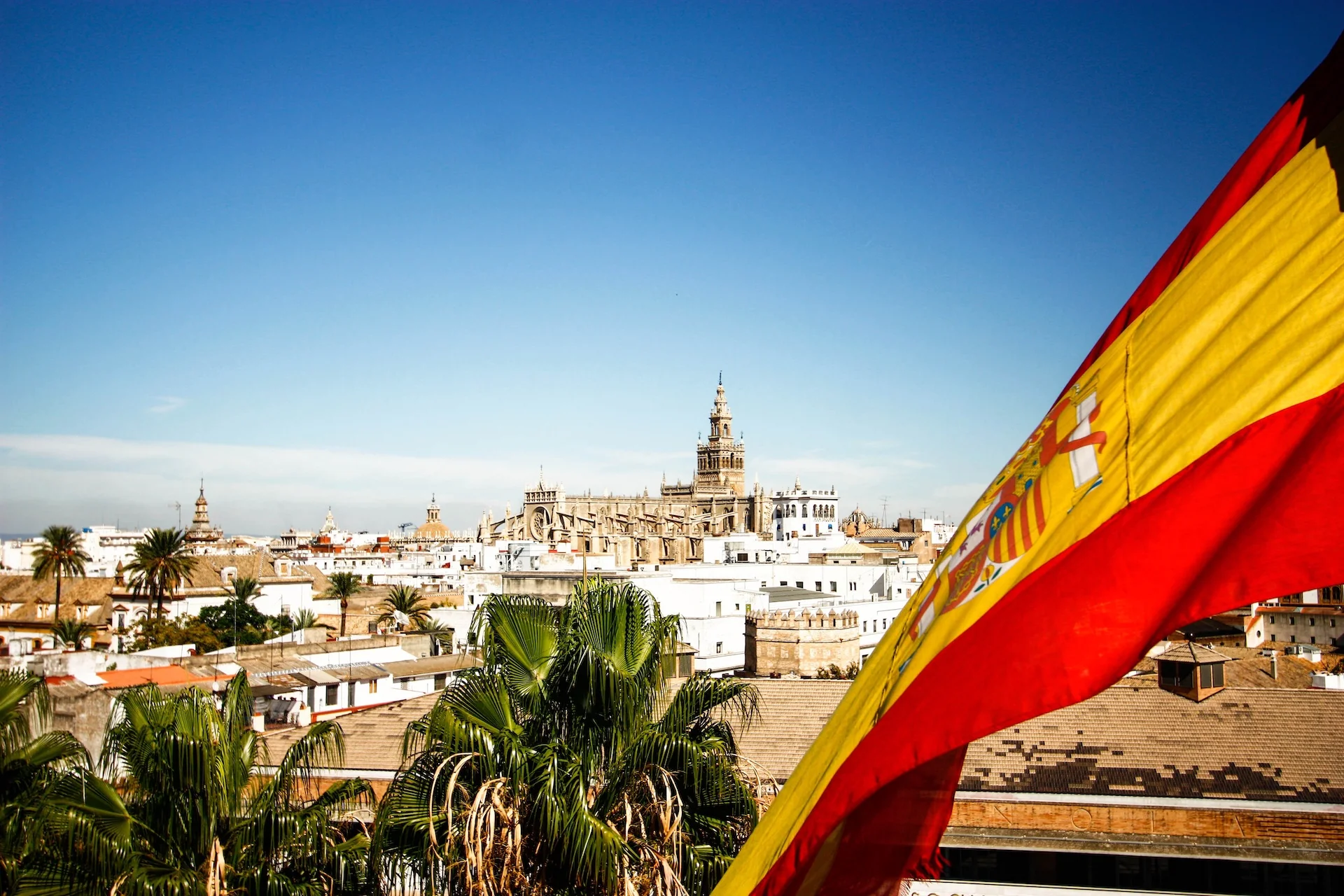
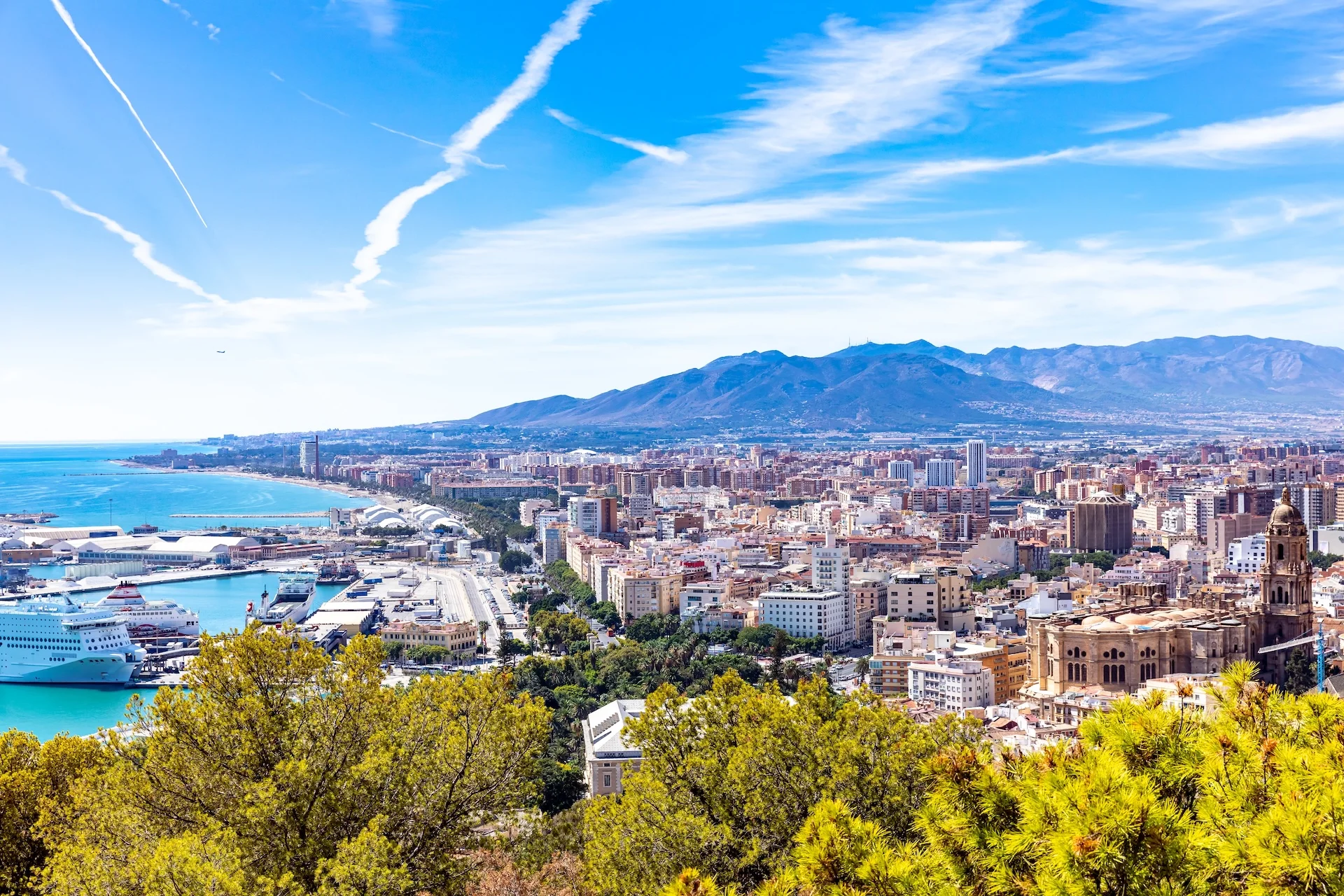
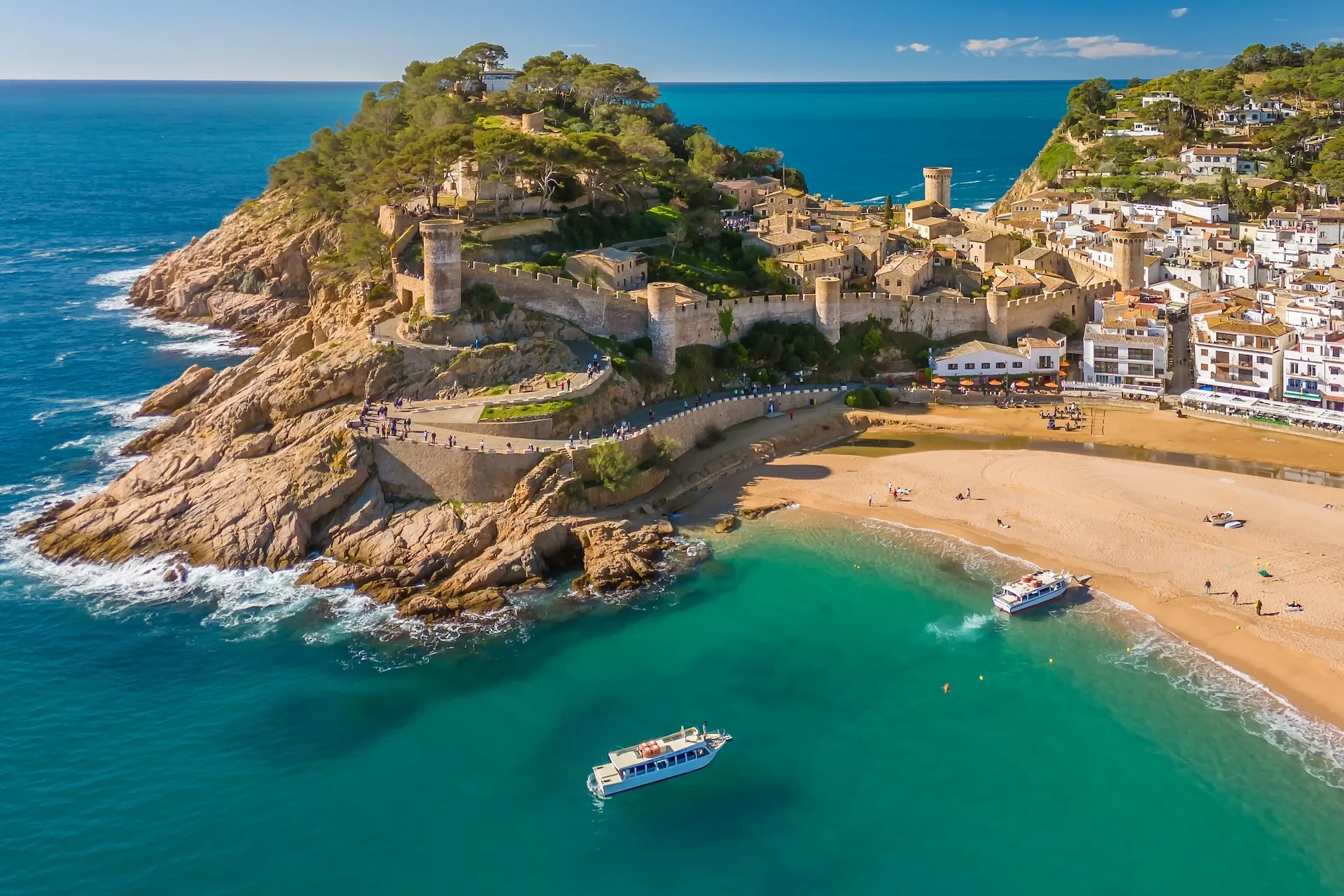
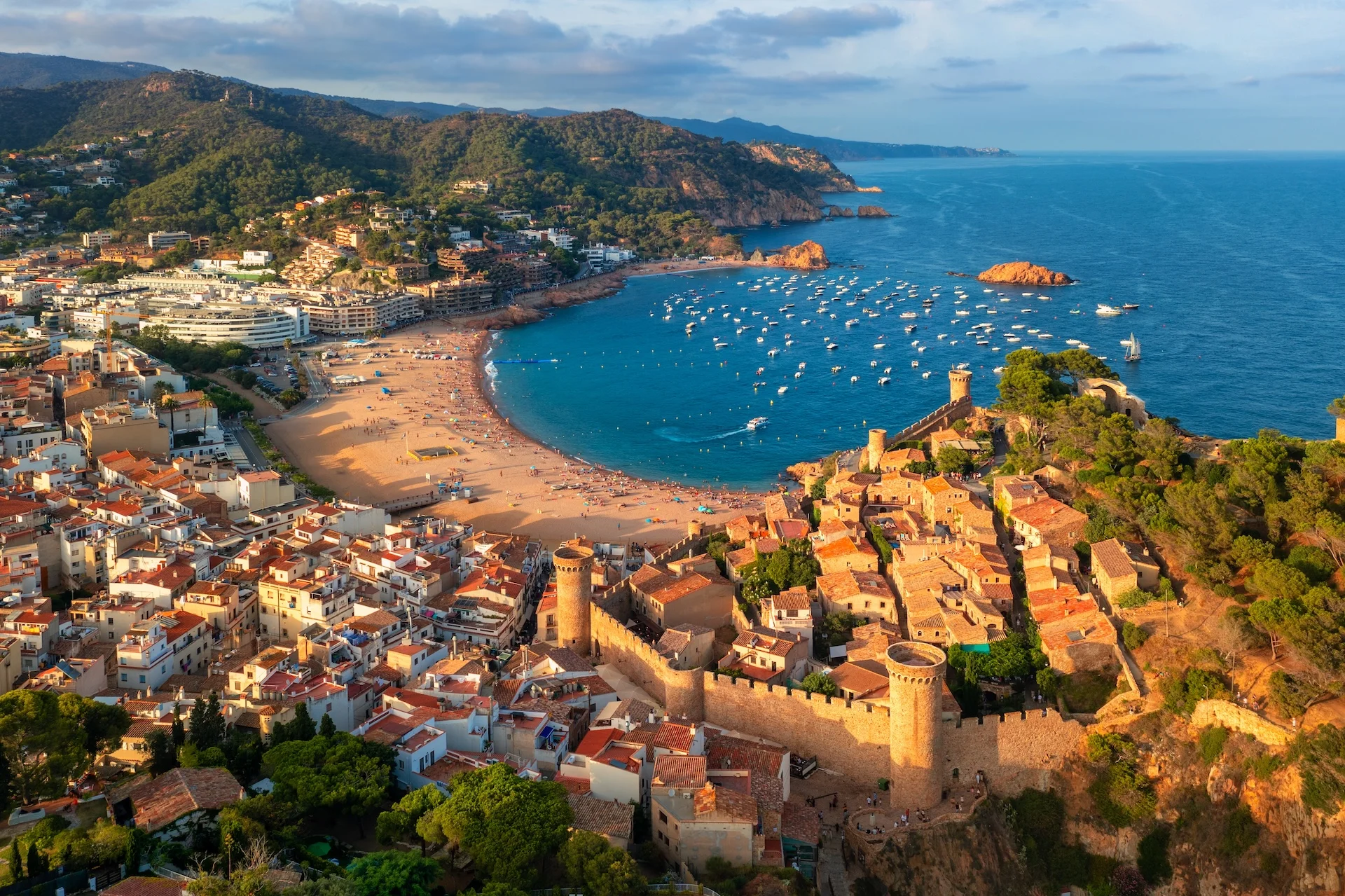
Spain’s Mediterranean coast stretches from the Strait of Gibraltar to the French border. Large resorts and city ports alternate with fishing villages, sandy beaches and rocky headlands. The Costa Brava and northern Costa Blanca have particularly indented shores. The Balearic Islands add small coves and less developed stretches of coast; reaching them from the mainland involves an open-sea passage.
Summers are generally hot and dry. Late spring and early autumn bring less heat, making walks through towns and along coastal paths more pleasant. Outside summer, however, the weather is less settled, and autumn can bring heavy rain and thunderstorms.
Sailing conditions vary along the coast. Around the Strait of Gibraltar, currents and the easterly levante and westerly poniente are important. Strong tramontana winds can substantially change sea conditions on the northern Costa Brava and around Menorca. Anchoring restrictions in the Balearics protect underwater posidonia seagrass meadows.
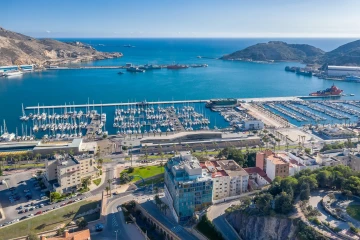
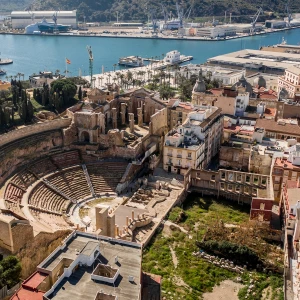
Ashore, lively cities alternate with small seaside settlements. Cartagena and Tarragona have Roman monuments, Barcelona offers architecture and city life, and Valencia has markets and local food. On the islands, old port quarters sit alongside stone-built villages, while coastal paths link the coves.
Sailing character
- Open coast
- Island hopping
What to explore ashore
- Historic towns
- Maritime heritage
- Coastal nature
Watch out
- Local wind acceleration — Strait, Andalusia and Ceuta, Balearic Islands, Eastern mainland coastLevanter and Poniente by the strait; Tramontana in the northeast and Balearics.
Sailing areas
In spring and autumn the south is warmer than the northern coast and Balearics. Main-season status does not remove strong winds or exposed island passages.
- Strait, Andalusia and Ceuta: Open coast
- Eastern mainland coast: Open coast
- Balearic Islands: Island hopping, Open coast
Practical information
Currency
Euro · EUR
Official languages
Spanish — nationwide, Galician — Galicia, Basque — Basque Country and part of Navarre, Catalan — Catalonia and the Balearics; Valencian — Valencia, Aranese — Catalonia
Emergency contacts
General emergency number
112Salvamento Marítimo
900 202 202VHF voice channel 16
Maritime emergency telephone in Spain; also 112. Use VHF channel 16 for a marine radio voice call.
Official resources
- Marine forecasts · AEMET Wind, waves and warnings by area
- Notices to Mariners · Instituto Hidrográfico de la Marina Navigation changes and chart corrections
- Tides and waves · Puertos del Estado Sea-level and wave observations and forecasts
- Balearic Posidonia and anchoring · Govern de les Illes Balears Rules, seagrass maps and managed moorings
Checked –
Arrival and formalities
Spain’s Mediterranean coast from the strait area to France, the Balearics and Ceuta. Atlantic shores and the Canaries belong to Atlantic Europe.
Checked
From the Schengen area
Normally without border checks; checks remain possible.
- Check arrival arrangements with the chosen port.
- Carry vessel registration, insurance and an appropriate skipper’s certificate.
From outside Schengen
Arrive through a maritime border crossing.
- Arrange clearance; prepare personal documents, vessel details and a crew list.
To or from Ceuta
Ceuta is outside EU customs and VAT territory. Being part of Spain does not remove customs formalities.
- Ask customs in advance about vessel and goods formalities for your route.
Vessel customs status
Temporary admission of a non-EU yacht depends on registration, residence and use. Moving between EU countries does not restart the period. Check your yacht’s eligibility.
Information sources
Checked –
-
Turespaña — Climate in Spain
Sailing here
-
Gibraltar Government — Weather
Sailing here
-
AEMET — Mediterranean weather systems
Sailing here
-
Turespaña — Sailing in the Balearics
Sailing here
-
Research — Analysis of tidal flows through the Strait of Gibraltar
Sailing here
-
Turespaña — Ceuta
Sailing here
-
European Union — Spain
Currency · Official languages
-
La Moncloa — Constitution and official languages
Official languages
-
Salvamento Marítimo — Emergency and nautical safety
Emergency contacts · Salvamento Marítimo
-
EUR-Lex — Schengen Borders Code, Annex VI 3.2.4–3.2.6
From the Schengen area · From outside Schengen
-
Port requirements
From the Schengen area
-
EU territories and VAT
To or from Ceuta
-
Agencia Tributaria — Temporary admission authorisation
To or from Ceuta
-
Temporary admission of boats
Vessel customs status
Marinas on the map
Use the map to place the country, its sailing destinations, islands, and available marina pages before choosing where to sail next.
Popular places in Spain
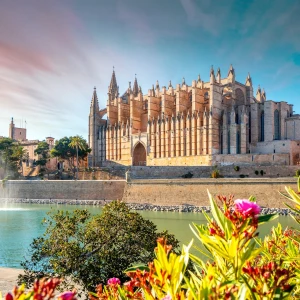
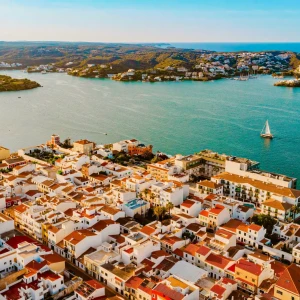
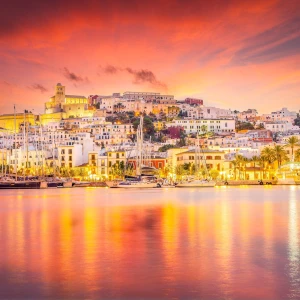
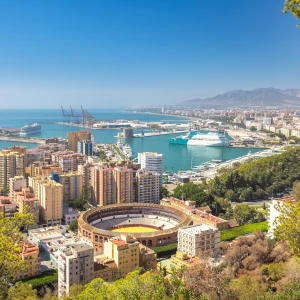
Browse popular sailing places in Spain. Places with the most marinas appear first.

Top rated marinas
Discover the best marinas in Spain, ranked by skipper ratings and reviews.