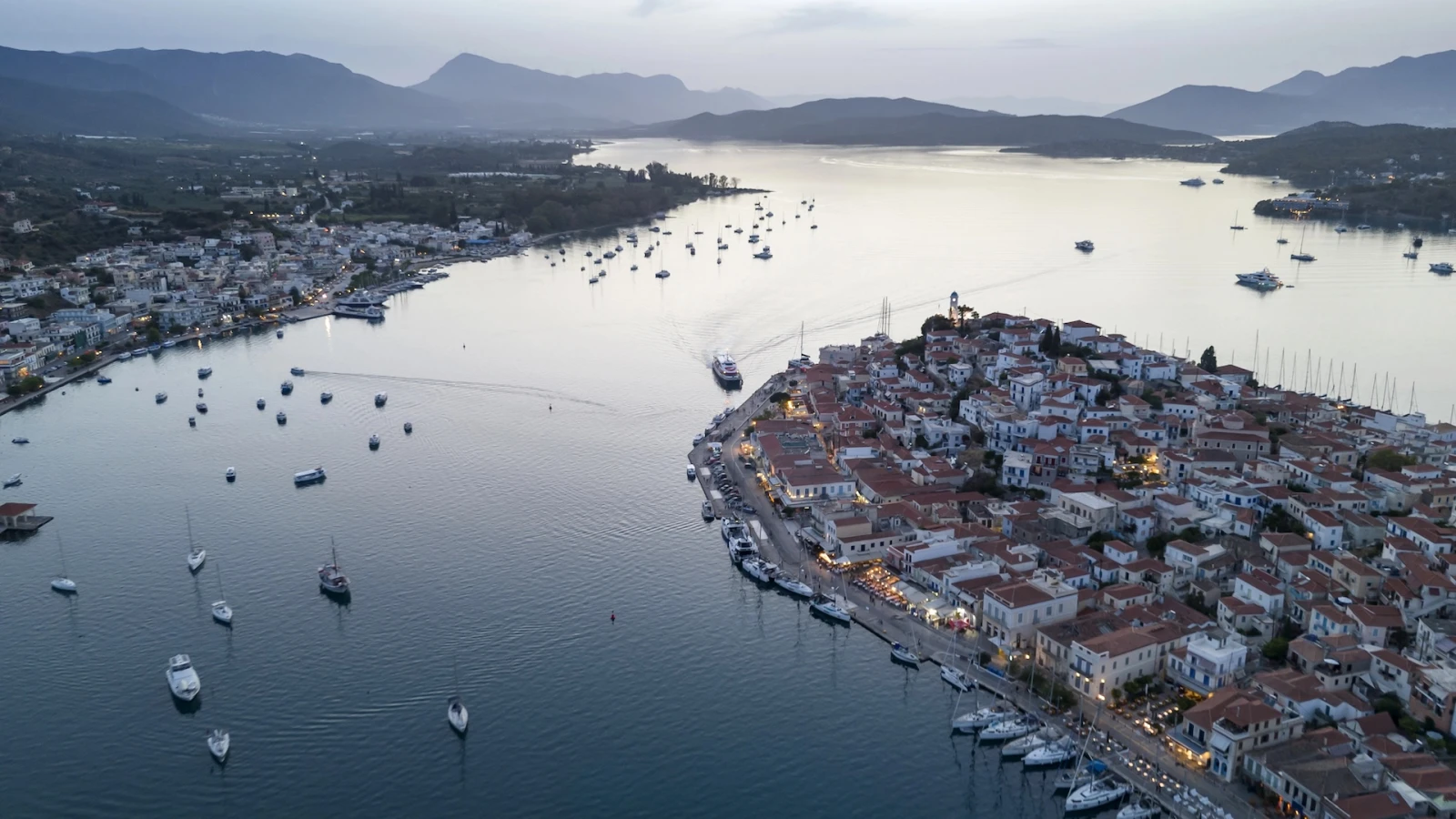
In a week from Athens it’s easy to be tempted to head for the Cyclades. On the map they look close, the correct Greek phrase “Aegean Sea” rings in your head, and your imagination immediately paints white houses, windmills and blue domes. But in a real charter schedule from Saturday to Friday the best route is often not the one with the most miles, but the one with the most life.
The Saronic Gulf is exactly about that. Here you can sail a beautiful yachting week without racing the forecast: short passages, obvious shelters, islands with character, ancient monuments and evenings in Greek ports where yachts stand alongside fishing boats.
Charter is usually arranged like this: on Saturday the crew takes the boat, provisions and boards, and by Friday evening the yacht should already be back at base. Formally handover often happens on Saturday morning, but a full itinerary is better planned for six sailing days. That’s just enough time to see Aegina, Poros, Hydra, Dokos or Ermioni, visit Epidaurus and comfortably return to Athens.
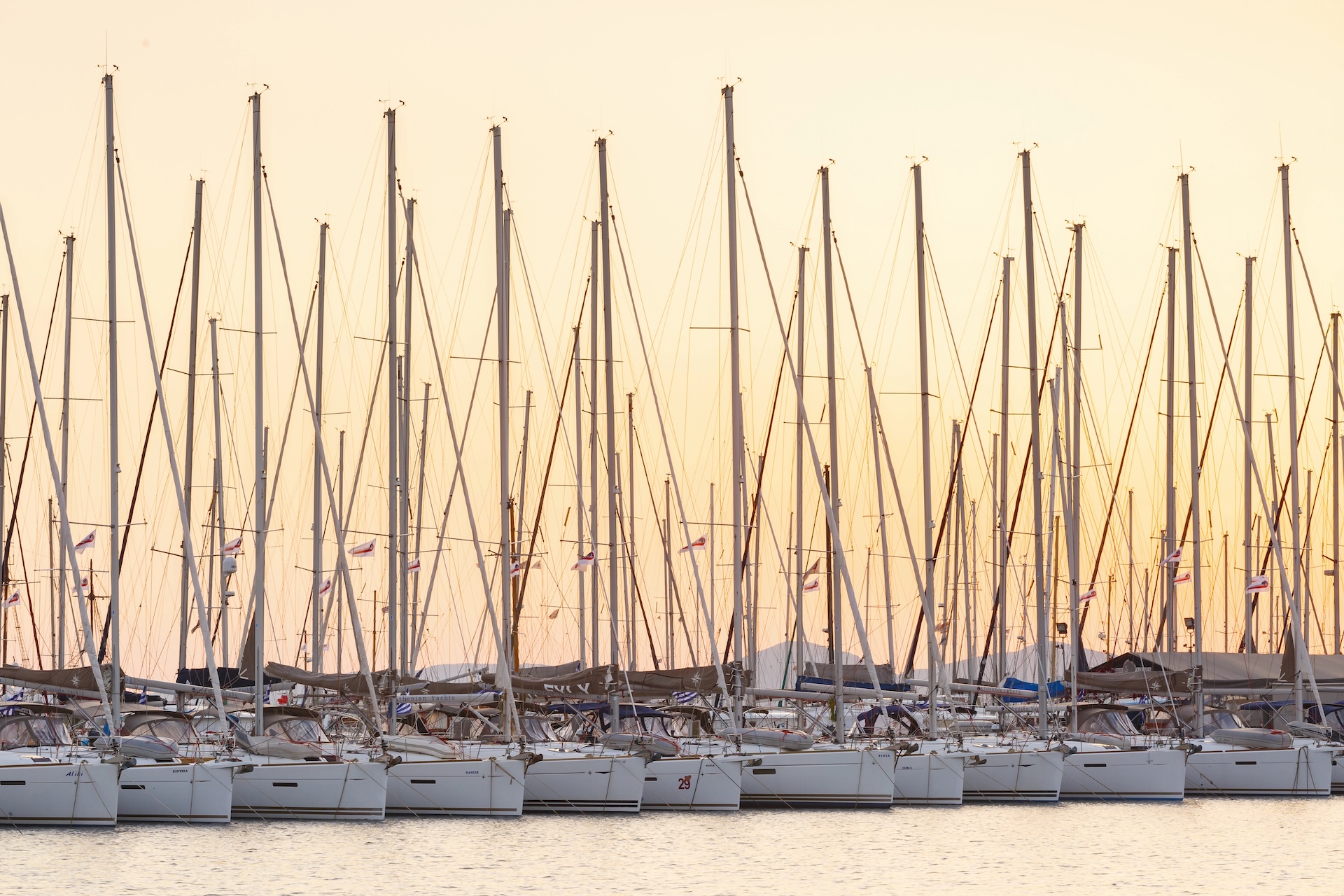
The starting point is Alimos Marina on the Athens Riviera. It’s one of the main charter bases in the region: the marina website lists 1,100 permanent berths, and the base itself is not far from central Athens, Piraeus and the airport.
 Alimos Marina
Short version of the route
Saturday: boat handover in Alimos, provisioning, night on board.
Sunday: Alimos → Aegina or Agistri.
Monday: Aegina / Agistri → Poros.
Tuesday: Poros → Hydra.
Wednesday: Hydra → Dokos or Ermioni.
Thursday: Dokos / Ermioni → Palea-Epidaurus.
Friday: Palea-Epidaurus → Alimos.
The optimal route for six sailing days:
Alimos → Aegina / Agistri → Poros → Hydra → Dokos or Ermioni → Palea-Epidaurus → Alimos.
If the forecast is calm and the crew wants a busier program, you can add Spetses:
Alimos → Aegina / Agistri → Poros → Hydra → Spetses → Palea-Epidaurus → Alimos.
This option is brighter but tighter. The basic version with Dokos or Ermioni is calmer and better suited for a crew that wants not only to sail but also to swim properly, stroll and have dinners ashore.
Passages and the week’s rhythm
Distances depend on the exact berth, weather and chosen tack, but overall the route remains comfortable for a week charter. This is not a sporting program and not an attempt to hit the maximum number of points on the map. Its strength is the rhythm: morning passage, daytime swimming, evening on a new shore.
Day 1. Alimos → Aegina / Agistri
The first passage is best kept short — roughly 16–21 nautical miles. It’s a calm start to the week: the crew gets used to the boat, checks themselves at sea and by evening is already on the first island.
Day 2. Aegina / Agistri → Poros
The passage usually takes about 14–16 nautical miles. The day is soft and balanced: a bit of sailing, a swim stop depending on the weather, and a beautiful evening in green Poros.
Day 3. Poros → Hydra
One of the shortest but important passages of the route — about 10–15 nautical miles. It’s better to depart early because Hydra’s harbor is popular and spaces run out quickly.
Day 4. Hydra → Dokos / Ermioni
After the vibrant Hydra it’s good to lighten the day. The passage is short — roughly 7–12 nautical miles. Dokos is suitable for an anchorage and an evening on board, Ermioni for a walk, tavern and a livelier shore program.
Day 5. Dokos / Ermioni → Palea-Epidaurus
The passage to the ancient part of the route is roughly 16–22 nautical miles. On this day it’s important to arrive without hurry to be able to go to the ancient Epidaurus and return to the boat calmly.
Day 6. Palea-Epidaurus → Alimos
The longest passage of the week — about 30–35 nautical miles. It’s better to depart early and keep a time buffer. If the forecast is good, you can make a short swim stop at Aegina or Agistri on the way, but the main priority of the day is a calm return to base.
Why the Saronic Gulf
You can also sail to the Cyclades from Athens, but for six sailing days that’s a more demanding program. There’s more open water, longer legs and greater dependence on the wind. In the Aegean Sea from mid-May to mid-September the etesian winds, also called meltemi, periodically blow — dry northerlies that in summer can significantly affect the route.
Late May is not yet the meltemi peak, but that doesn’t mean the forecast can be ignored. For a first or relaxed yachting week the Saronic Gulf gives more freedom: it’s easier to find an alternate berth, easier to shorten a passage and easier to combine yachting with shore activities.
The Saronic is good not only because it’s “easier than the Cyclades.” It’s self-sufficient. Here there’s Aegina with the Temple of Aphaia, green Poros, theatrical Hydra, quiet Dokos, lively Ermioni and ancient Epidaurus. In one week you get not just a set of berths but a proper maritime story with different moods.
Saturday. Alimos Marina: take the boat, provision, exhale
Saturday is a technical day. The crew arrives at the marina, takes the boat, checks documents, the engine, sails, anchor, dinghy, gas, water, electronics and safety equipment. After that — provisioning, assigning cabins, unpacking and the first evening on board.
Sometimes the charter company hands the boat over early enough for the crew to reach Aegina already on Saturday evening. But it’s more reliable to schedule the first passage for Sunday morning. That way the week starts calmly: without fuss, without a night entry into an unfamiliar port and without the feeling that the holiday began with a deadline.
In the evening you can stay in Alimos, have dinner near the marina or go out to the Athens Riviera. This day has few postcard moments, but it sets the tone for the whole week. The better the preparation, the calmer the next six sailing days.
Day 1. Sunday: Alimos → Aegina or Agistri
The first passage is best kept short. Aegina is the closest Saronic Gulf island to Athens: the official tourist portal Visit Greece indicates the distance from Piraeus as about 16.5 nautical miles.
Aegina is good for the first island evening. After Athens the right mood appears here immediately: a waterfront, fishing boats, tavernas, pistachio shops, old houses and a soft harbor murmur. At the same time the island is not only about dinner by the water. From 1827–1829 the town of Aegina was the temporary capital of the new Greek state, and some of the neoclassical architecture is connected with that period.
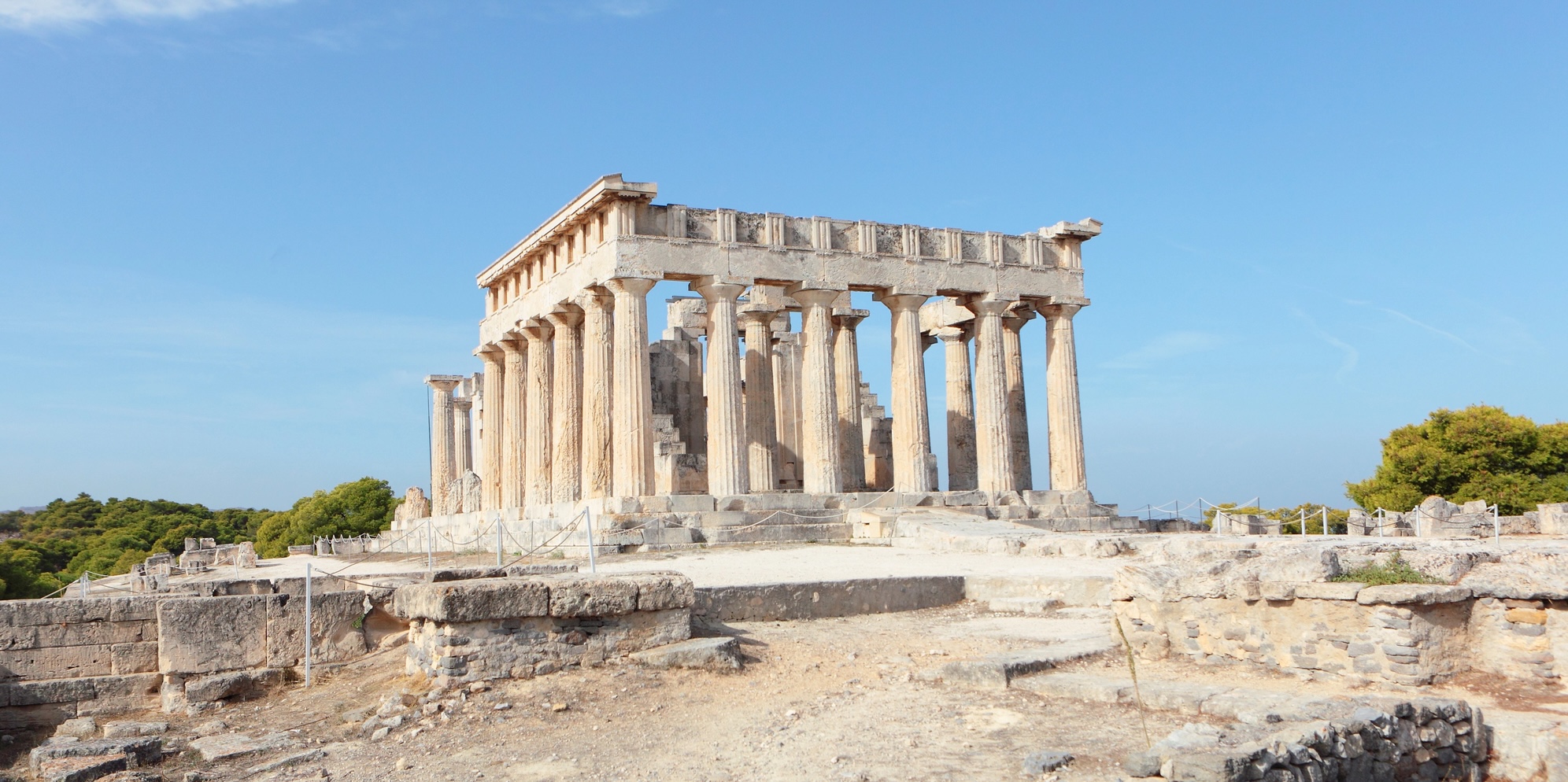
The main historical point of the island is the Temple of Aphaia. It stands on a hill near Agia Marina, dates to around 500 BC and is considered one of Aegina’s most important monuments.
If you prefer a quieter start, instead of the port of Aegina you can head to Agistri. It’s a small green island next to Aegina: pines, clear water, beaches, kayaks, walks and a more intimate atmosphere. Agistri works especially well on the first day when the crew is still getting into the rhythm of the boat and doesn’t want to immediately dive into port hustle.
What to see: the Temple of Aphaia, Aegina waterfront, the Kolona area, pistachio shops, Agistri bays.
Day 2. Monday: Aegina / Agistri → Poros
Poros is one of the most successful islands for a yachting week. It’s beautiful, green, convenient and doesn’t require complex logistics. There’s a port, water, shops, tavernas, promenades and beaches. After the first day it’s a good spot where the crew settles into a normal rhythm: morning passage, daytime swim, evening ashore.
The town of Poros stands by a narrow strait opposite the Peloponnese. Approaching from the water it looks almost cinematic: houses rise up the slope, a clock tower is visible at the top, and across the strait is the green shore of Galatas. Visit Greece calls Poros the greenest island of the Argosaronic: pine forests cover the hills and slope down to the beaches.
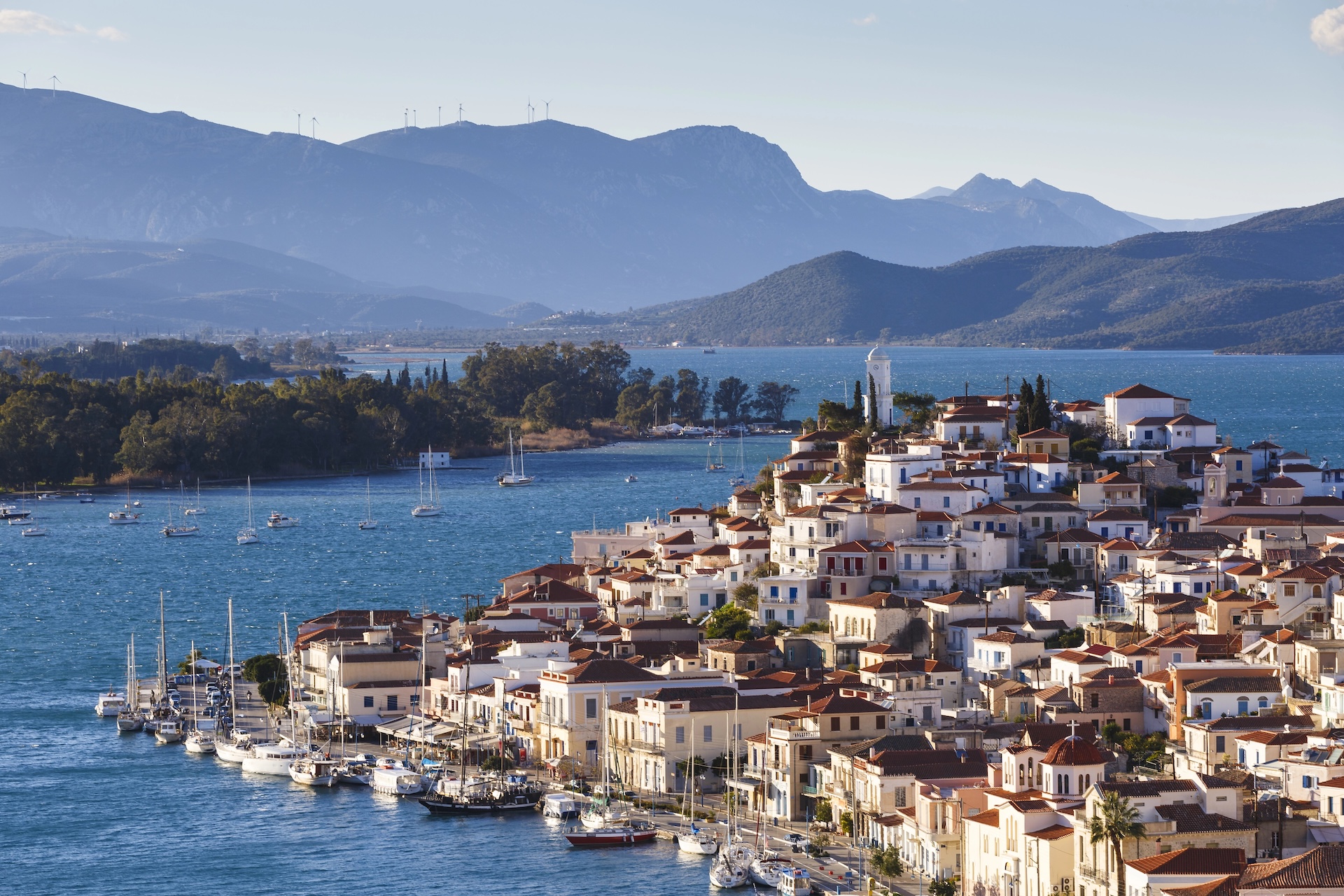
In the evening it’s worth climbing up to the clock tower. It’s a symbol of the island and one of the best viewpoints over the harbor, the Peloponnese and the lemon groves opposite. For swimming Mikro Neorio, Megalo Neorio and Love Bay are suitable. If the day is short and calm, Marina Poros is a good place to simply not rush: stroll the waterfront, have a coffee, buy something for the boat and sit by the water in the evening.
What to see: the clock tower, the waterfront, Love Bay, Neorio, the view to Galatas, lemon groves on the opposite shore.
Day 3. Tuesday: Poros → Hydra
Hydra is the harbor that makes this route memorable. It’s best to arrive there early: the harbor is popular, space can be limited, and mooring sometimes requires patience. But the impression is worth it.
The island greets you with stone houses, a tight harbor, water taxis, steep streets and masts that almost obscure the waterfront. Hydra has a strong maritime history and a special reputation: there are old captains’ mansions, archives, museums and that very atmosphere that has long attracted artists, writers and people who care about character as well as a picture.
One of Hydra’s main features is the absence of cars. People move on foot, by boat, or use animals to transport goods. You notice it immediately: there’s no usual urban noise in the harbor, and the streets remain stone, steep and almost theatrical.
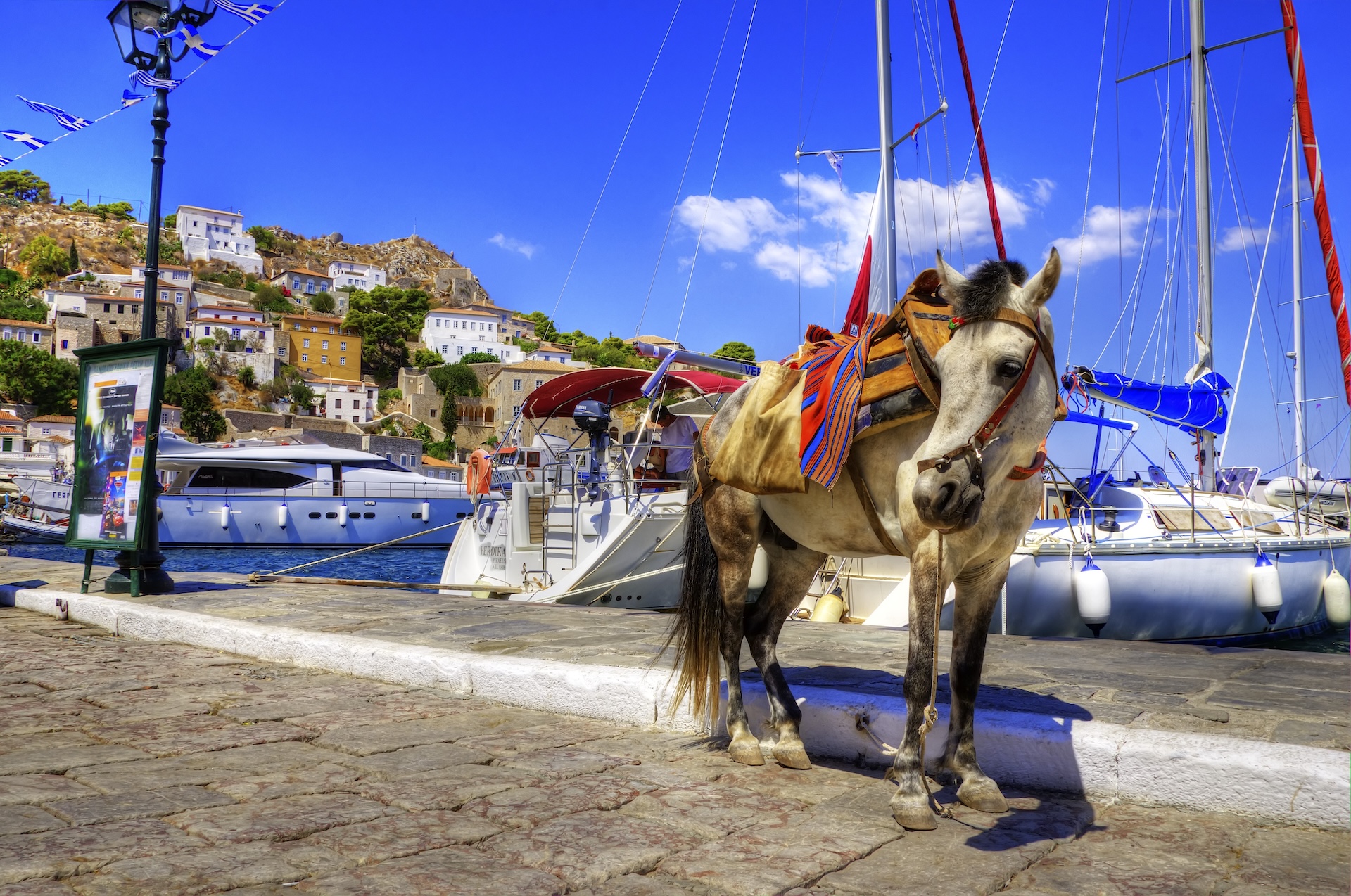
In the evening on Hydra it’s better just to walk. First stroll along the harbor, then climb a few streets up to look at the port from above, descend to the bastions with their cannons and reach Kamini. If you want to swim — take a water taxi to a beach or walk toward Mandraki.
Hydra is not always convenient as a yacht berth, but as an impression it’s stronger than most stops on the route. It’s one of those cases when a little tension during mooring is quickly forgotten, and the evening in the harbor stays in memory.
What to see: Hydra harbor, captains’ houses, Historical Archives Museum of Hydra, bastions above the port, a walk to Kamini, sunset with a view of the harbor.
Day 4. Wednesday: Hydra → Dokos or Ermioni
After Hydra it’s better to lighten the day. The previous night was busy: a crowded port, many people, a bright evening berth and perhaps not the simplest mooring. So on the fourth day it’s good to change the tempo.
Dokos is an option for those who want an anchorage, swimming and an evening without a town. It’s not a place for a long walk or a restaurant program, but a quiet pause between vibrant ports. Yacht at anchor, clear water, dinner on board, stars — that’s essentially the point of this stop.
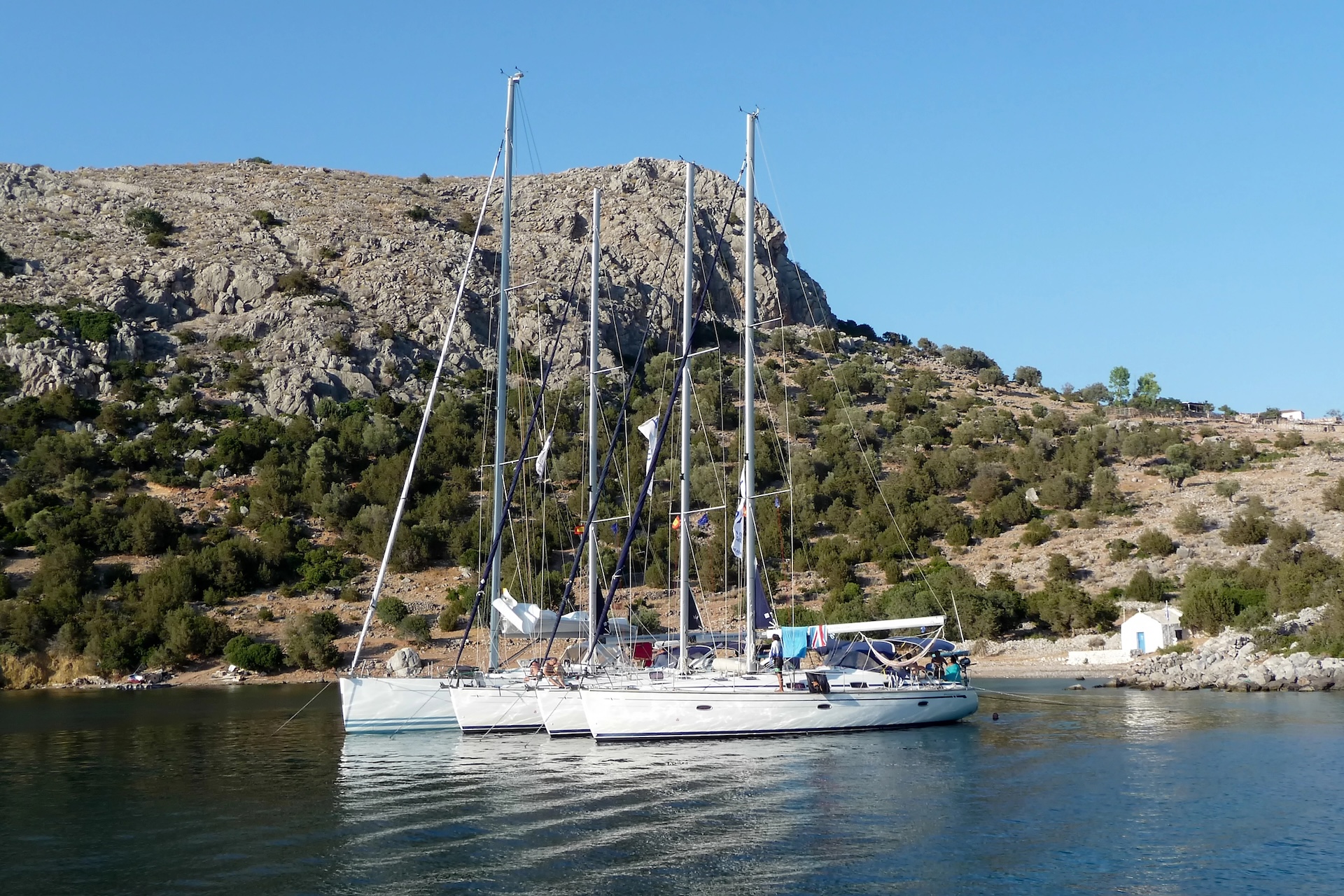
Ermioni is another scenario. It’s already mainland Greece: not as postcard-perfect as Hydra, but more authentic. A waterfront, fishing boats, local tavernas, an ordinary Greek town without extra gloss. The main walk is the Bisti peninsula: pines, rocks, small coves and water views.
For the basic route I would choose Dokos or Ermioni. That leaves space in the schedule before Epidaurus and the Friday return to Athens. In a yachting week that buffer is more important than another point on the list.
What to see: Dokos bays, the Bisti peninsula in Ermioni, fishing boats, the evening waterfront.
Option: add Spetses
If the forecast is calm and the crew wants a busier route, on this day you can sail to Spetses. It’s a beautiful and more dressed-up island: the Old Harbor, Dapia, captains’ mansions, horse-drawn carriages, bougainvillea and an evening walk by the water.
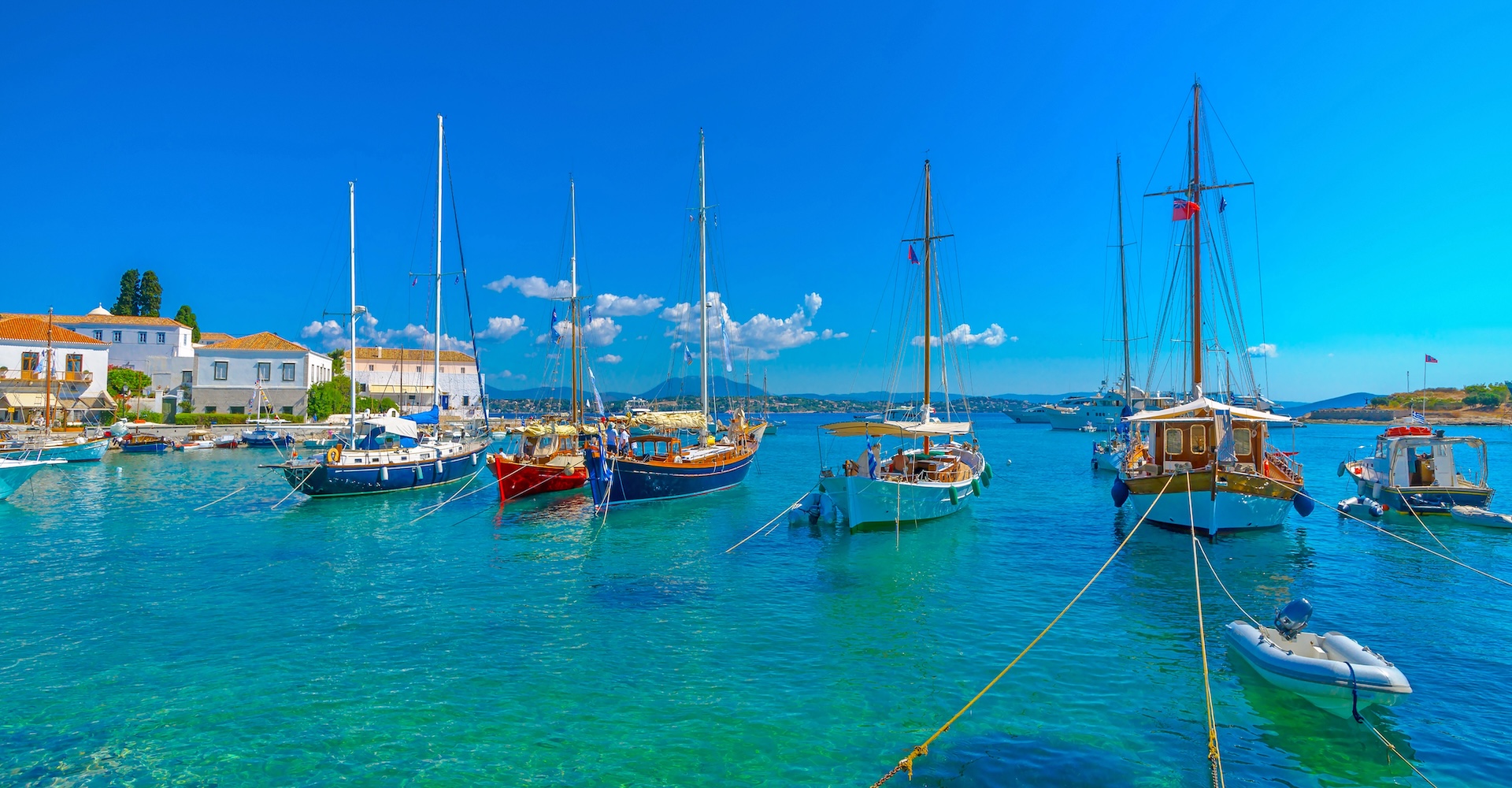
Spetses is known for its architecture, naval history and culture. Among the main sights are the Bouboulina Museum and the Spetses State Museum, which house artifacts related to the island’s history.
But in the six-day version Spetses makes the route denser. After it the passage to Epidaurus becomes longer, and time for calm stops is reduced. So Spetses is better considered a beautiful enhancement to the route rather than a mandatory stop.
A simple rule: if the forecast is steady, the crew energetic and you want a more intense week — you can add Spetses. If you prefer a relaxed pace, swimming and unhurried evenings — it’s better to keep Dokos or Ermioni.
Day 5. Thursday: Dokos / Ermioni / Spetses → Palea-Epidaurus
The fifth day is the cultural climax of the route. You need to arrive at Palea-Epidaurus, berth for the night and make a trip to ancient Epidaurus. The archaeological complex is not right at the quay, so a short land transfer will be needed.
Epidaurus is not just a beautiful ancient location. The Sanctuary of Asclepius is on the UNESCO World Heritage List. The organization describes it as an important testimony to ancient healing cults and a place associated with the development of early medicine. It’s also home to the famous Theatre of Epidaurus, known for its architectural proportions and acoustics.
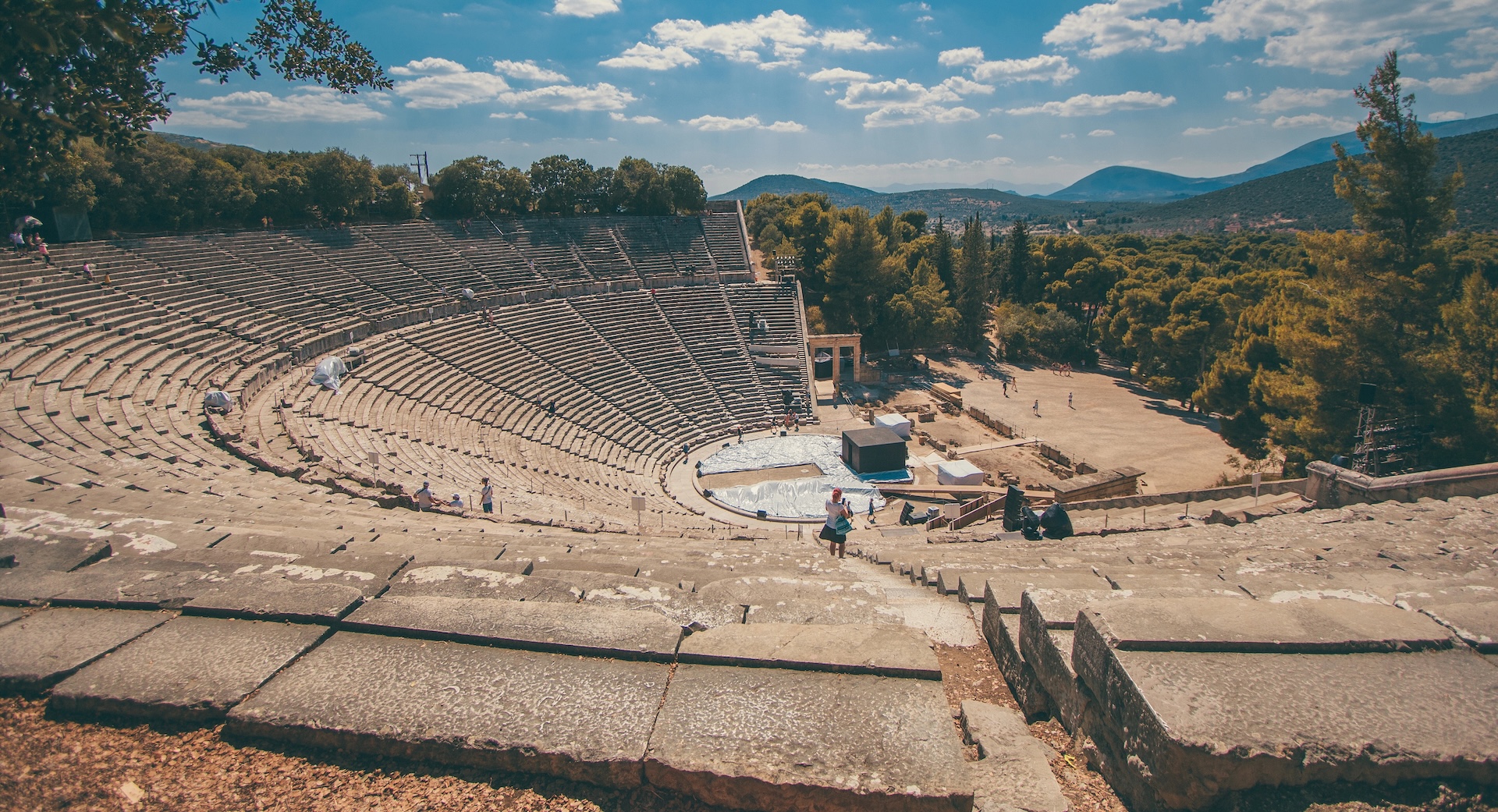
For late May this will most likely be a daytime visit to the archaeological complex, without an evening performance in the large theatre. The Athens Epidaurus Festival 2026 program for the Ancient Theatre of Epidaurus is scheduled from June 20 to August 29, and for the Little Theatre of Ancient Epidaurus from June 26 to August 8.
However, late May is convenient for another reason: the heat isn’t as intense as in July and August. For the Ancient Theatre at the Asklepieion of Epidaurus the 2026 summer opening hours are listed from May 2: 08:00–20:00.
After the trip to the theatre it’s good to return to the boat, have dinner in Palea-Epidaurus and go to bed early. On Friday there will be a return to Athens, and it’s better not to start that passage tired.
What to see: the Theatre of Epidaurus, the Sanctuary of Asclepius, the archaeological museum, the harbor of Palea-Epidaurus, and, in good conditions — snorkeling at the “sunken city”.
Day 6. Friday: Palea-Epidaurus → Alimos Marina
Friday is return day. It’s better to depart early and head to Alimos with a time buffer. If the weather is calm and the crew keeps to schedule, you can make a short swim stop at Aegina or Agistri. But the main plan of the day is simple: return to base calmly, refuel if necessary, tidy the boat and finish the charter without rush.
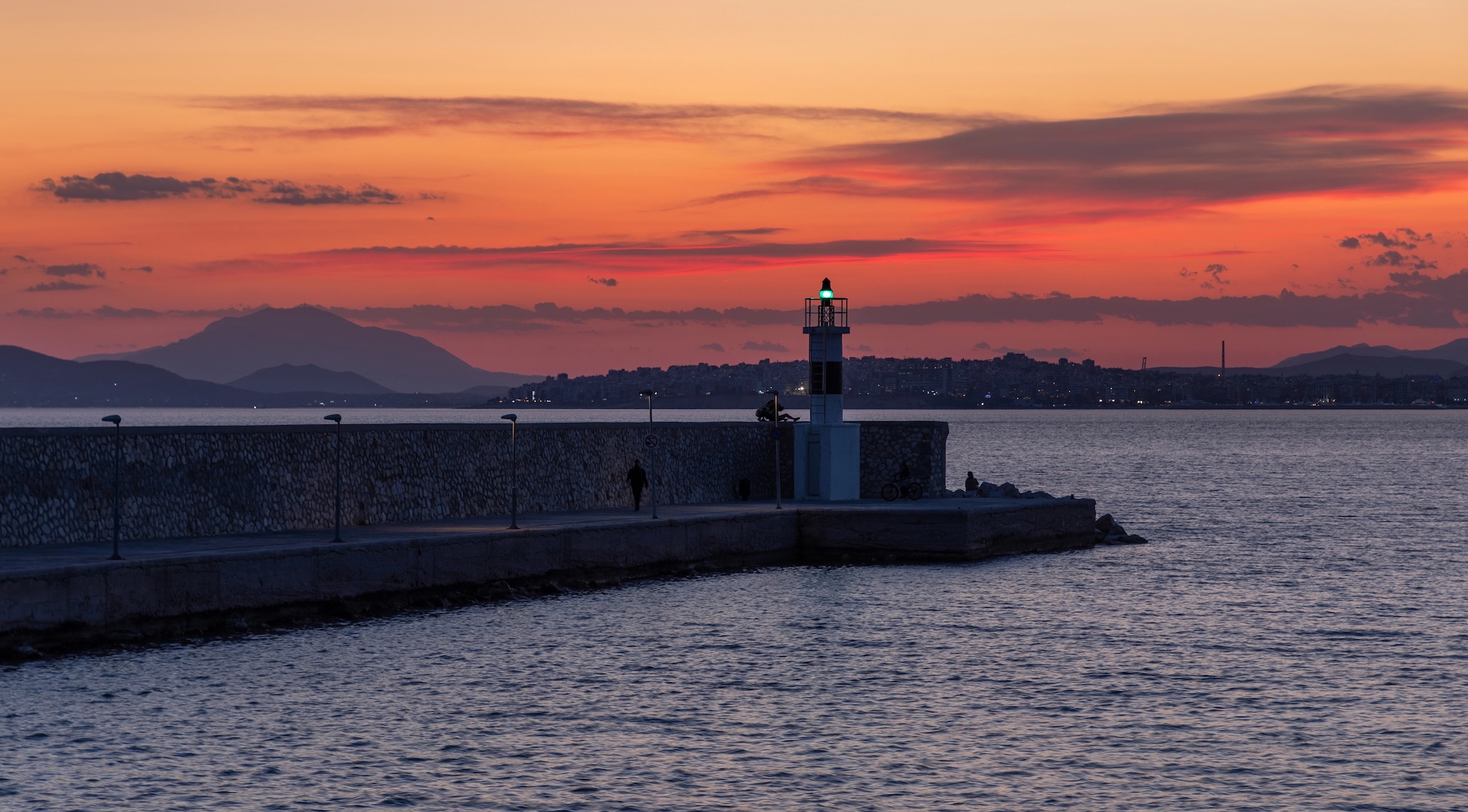
On the last day the route comes together in one picture. Behind you is the Peloponnese, then Aegina reappears, then the Athens Riviera and the masts of Alimos. After several days on the islands Athens is perceived no longer as a big city but as the port from which this short maritime story began.
Before every departure it’s worth checking the marine forecast. The Hellenic National Meteorological Service publishes marine forecasts for the eastern Mediterranean and the Black Sea: the forecast covers the next 24 hours and gives an additional 12-hour outlook.
For this route it’s especially important to watch not only wind strength but also direction. With a good forecast you can allow Spetses or a longer swim stop. With a doubtful forecast it’s better to shorten the day, leave the port earlier and keep alternate berths in mind. In the Saronic Gulf that’s easier to do than on open stretches of the Aegean Sea.
How to choose a version of the route
Basic option:
Alimos → Aegina / Agistri → Poros → Hydra → Dokos or Ermioni → Palea-Epidaurus → Alimos.
It’s the best choice for a crew that wants a calm, balanced week: sea, islands, swimming, history and decent evenings ashore.
More intense option:
Alimos → Aegina / Agistri → Poros → Hydra → Spetses → Palea-Epidaurus → Alimos.
This route is brighter but requires a more confident forecast and willingness to sail slightly longer on some days. Choose it if the crew already understands the yachting rhythm and isn’t afraid of longer legs on certain days.
Finale
By Friday the logbook won’t show a mileage record but a set of precise maritime frames: pistachios on Aegina, Poros pines, masts in Hydra’s tight harbor, stars over Dokos and the stone rows of the Theatre of Epidaurus.
That’s the point of the Saronic: it doesn’t compete with the Cyclades and doesn’t demand feats. It simply offers a good Greek week under sail — the kind after which you return to Athens not worn out by the route but gathered by the sea.

Comments
0 comments
No comments yet.
Please log in or register to leave a comment.