🇺🇸 Marinas in United States — Gulf of Mexico
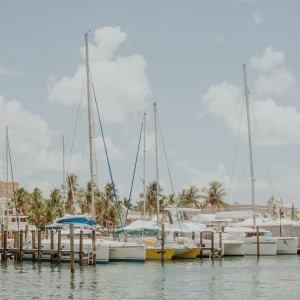
The US Gulf Coast combines Florida’s island cruising grounds, the northern coast’s lagoons and the broad bays of Texas.
United States
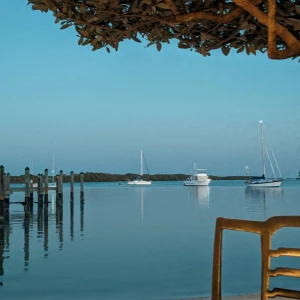
From western Florida to Texas, the coast changes from mangrove islands and resort towns to sand spits, river deltas and major ports. A trip can stay within a single bay or extend along several states, alternating between inland waters and the open sea.
Winters are milder in southwest Florida than along the northern Gulf Coast. Cold fronts bring cooler weather and strong winds; fog is possible in the cooler months. Spring is often a favourable time for passages. Summers are hot, with frequent thunderstorms, and the seasonal risk of hurricanes lasts from June through November.
Parts of the coast are linked by the Intracoastal Waterway, an inland route through bays and canals. For sailing yachts, access depends on draught and mast height; some sections remain exposed to the open sea. Shallow water and currents matter at bay entrances, while major ports bring commercial shipping traffic.
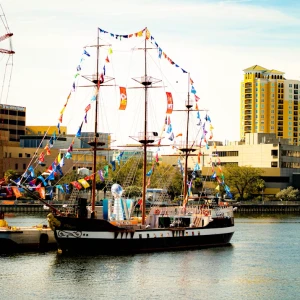
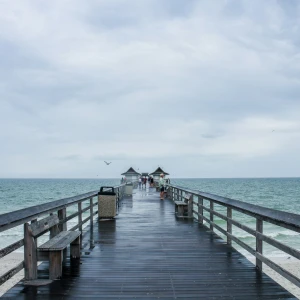
Ashore, beach walks can be combined with birdwatching and visits to coastal towns. Florida has a strong resort-town character, while Louisiana stands out for its fishing traditions and local cooking with shrimp, oysters and crab.
Sailing character
- Open coast
- Island hopping
- Tides
Cruising in bays and behind barrier islands alternates with open-water passages. The Intracoastal Waterway connects parts of the coast, but does not provide a continuous sheltered route for every sailing yacht: depths, bridges and commercial traffic matter.
What to explore ashore
- Islands
- Coastal nature
- Maritime heritage
Watch out
- Shallow lagoonsBehind barrier islands, water may become much shallower outside the channel; shifting sandbars can affect entrances.
- Bridge clearances — Western Florida, including the Big Bend, Florida Panhandle and Alabama, Mississippi and Louisiana, TexasOn inland waterways, check clearances and drawbridge operating rules for the chosen route.
- Sea fogIn cooler months, fog can hinder harbour approaches, particularly along the northern Gulf Coast.
Sailing areas
Southwest Florida and Key West have milder winters, although cold fronts reach them too. The northern coast and Texas are more affected by winter cold and strong winds. May brings the start of the thunderstorm season in western Florida while spring conditions persist farther north.
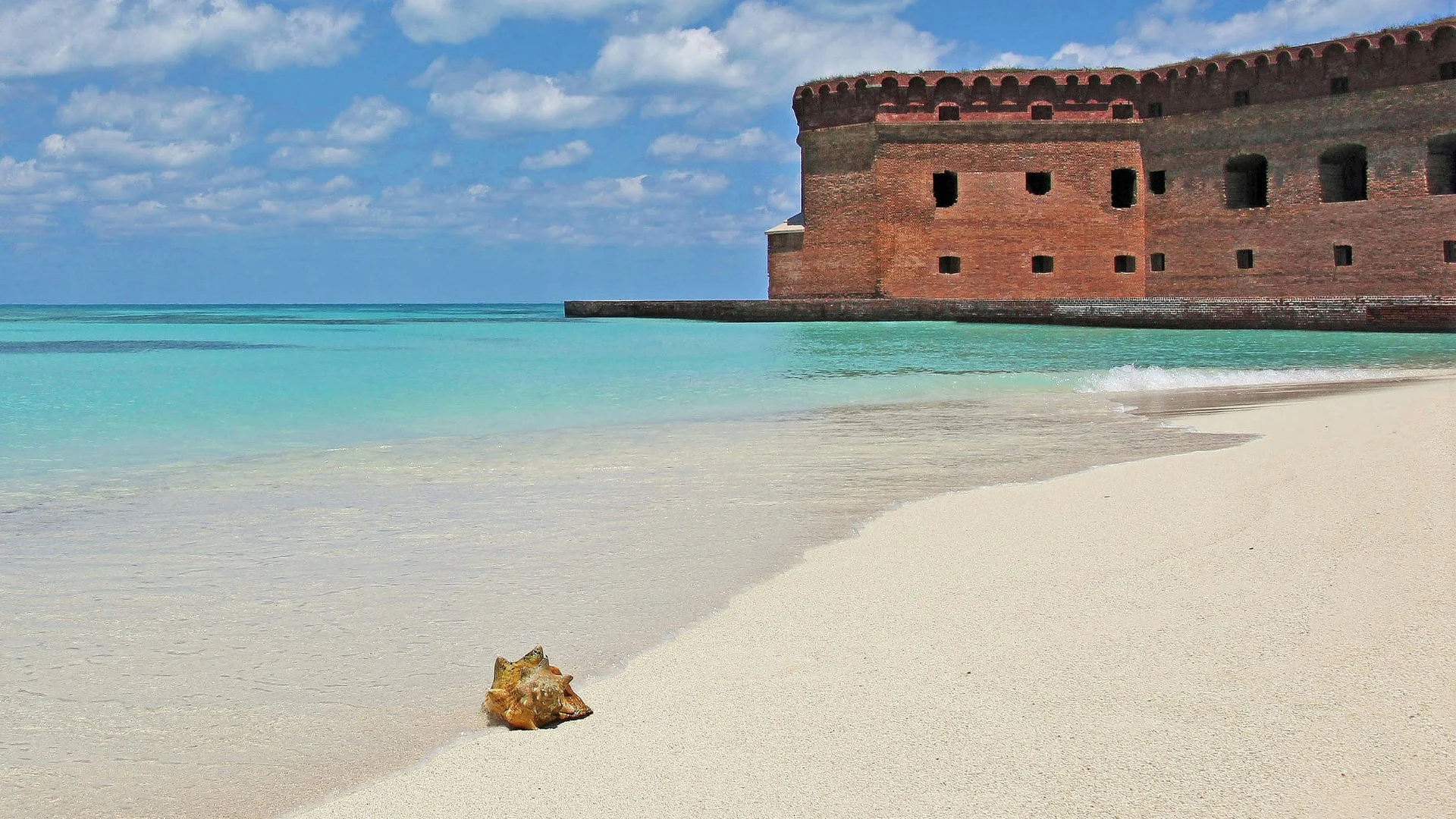
- Key West and Dry Tortugas: Island hopping, Open coast
- Western Florida, including the Big Bend: Island hopping, Open coast, Tides
- Florida Panhandle and Alabama: Open coast, Tides
- Mississippi and Louisiana: Open coast, Tides
- Texas: Open coast, Tides
Practical information
Currency
US dollar · USD
Official languages
English
Emergency contacts
General emergency number
911JRCC New Orleans
The northern Gulf Coast from the Florida Panhandle to the US–Mexico border in Texas.
+1 855 485 3727VHF voice channel 16
US toll-free number; access from abroad depends on the operator. Use VHF 16 for a marine call to the Coast Guard.
JRCC Miami
Florida’s west coast as far as the eastern end of the Panhandle, plus Key West and Dry Tortugas.
+1 800 874 7561VHF voice channel 16
US toll-free number; access from abroad depends on the operator. Use VHF 16 for a marine call to the Coast Guard.
Official resources
- Marine forecasts by area · NOAA / NWS Wind, seas and warnings for Gulf coastal and offshore waters.
- Notices to mariners · USCG NAVCEN Changes to navigation conditions and local restrictions.
- Water levels and currents · NOAA NOAA observations and predictions for selected stations.
- Intracoastal Waterway · NOAA Coast Pilot Descriptions of the inland waterway, bridges and exposed sections.
- CBP ports of entry · CBP Arrange the location and method of border and customs inspection.
Checked
Arriving on a private yacht
A non-commercial yacht on the US Gulf Coast. Requirements for people and the vessel are checked separately.
Checked
Arrival from abroad
Agree the inspection location with US Customs and Border Protection (CBP) in advance. Report immediately on arrival; the crew must remain aboard until CBP authorizes departure from the vessel.
- Prepare passports, each person’s basis for entry and the yacht’s documents. ESTA alone is insufficient for arrival on an ordinary private yacht: sea entry under the Visa Waiver Program requires a participating carrier.
- Check whether CBP ROAM can be used to report arrival. Submitting data does not complete the inspection; follow the officer’s further instructions.
- Separately check whether a US Coast Guard Notice of Arrival is required. Its requirements depend on the vessel and are not replaced by reporting to CBP.
Passages between US ports
For a foreign yacht, domestic passage formalities depend in part on whether it has a cruising license.
- Ask CBP whether the yacht’s flag is eligible, where the license applies and which arrivals must be reported. The license simplifies some vessel formalities but does not remove arrival reporting.
Leaving the US
Before sailing abroad, confirm departure procedures with CBP for the yacht’s flag and current license.
- Do not assume exemptions for US pleasure vessels also apply to a foreign yacht. Keep the issued documents for the next port.
The yacht and customs
A cruising license is neither a crew visa nor blanket permission for duty-free import. Customs treatment depends on ownership and use. If you plan to leave, sell or charter the yacht in the US, agree the formalities with CBP in advance.
Information sources
Checked
-
NOAA — Coast Pilot 5, chapter 3: Gulf Coast
Sailing here
-
NWS Tampa Bay — Florida Thunderstorm Season
Sailing here
-
NOAA NHC — Tropical Cyclone Climatology
Sailing here
-
NOAA — Coast Pilot 5, chapter 12: Intracoastal Waterway
Sailing here
-
NPS — Gulf Islands National Seashore: Nature
Sailing here
-
NPS — Dry Tortugas: Fort Jefferson
Sailing here
-
U.S. Currency Education Program — The Seven Denominations
Currency
-
The White House — Executive Order 14224, 1 March 2025
Official languages
-
National 911 Program — Calling 911
Emergency contacts
-
USCG — Joint Rescue Coordination Centers, 24-hour regional contacts
JRCC New Orleans · JRCC Miami
-
USCG — Contact: emergency assistance
JRCC New Orleans · JRCC Miami
-
eCFR — 19 CFR Part 4, §§ 4.2, 4.51, 4.94
Arrival from abroad · Passages between US ports · Leaving the US · The yacht and customs
-
Visa Waiver Program conditions
Arrival from abroad
-
CBP — Official ROAM app description
Arrival from abroad
-
Notice of Arrival rules
Arrival from abroad
-
CBP ports of entry
Arrival from abroad
Marinas on the map
Use the map to place the country, its sailing destinations, islands, and available marina pages before choosing where to sail next.
Popular places in United States
Browse popular sailing places in United States. Places with the most marinas appear first.