
A bad marina review usually sounds like this: “fine,” “too expensive,” “great service,” or “won’t be back.” You can feel the opinion, but you cannot plan with it. That is why major review platforms keep pushing the same basic idea: give real details, explain the rating, and stick to what you personally experienced.
For marinas, the stakes are different. A review here is not quite like a casual opinion about a coffee shop. It is rather a piece of planning for the next crew. Professional marina frameworks point in the same direction: TYHA’s Gold Anchor looks beyond the berth itself, covering service, facilities, environmental standards, and the way the marina is run, while Blue Flag focuses heavily on safety, services, sanitation, waste, water, and accessibility. In other words, a useful marina review is not “nice atmosphere / bad atmosphere.” It is a compact transfer of operational information.

A Review Begins with Context, Not a Score
Start with the conditions of your visit: month and year, boat type, length, draft, monohull or catamaran, and the purpose of the stop. Without that, even an honest review ages quickly. Comments about the entrance, depths, buoys, fuel dock, repair services, or guest pontoon conditions are much more useful when another skipper knows when they were true. Navigational information changes constantly; NOAA notes that its electronic charts are updated on weekdays, and the UKHO publishes weekly Notices to Mariners.
“We liked the marina” is not much of an opening. A useful opening looks more like this: “We were here in October 2025 on a 44-foot fin-keel yacht drawing 2.1 m, stopping for one night before a passage.” After that one sentence, the reader already understands how relevant your experience is to their own boat and mission.
The same logic applies when choosing a stop in the first place: a marina is only “good” if it fits the purpose of the visit. For that side of the process, see the guide on how to choose the right marina for your next stop.
 how to choose the right marina for your next stop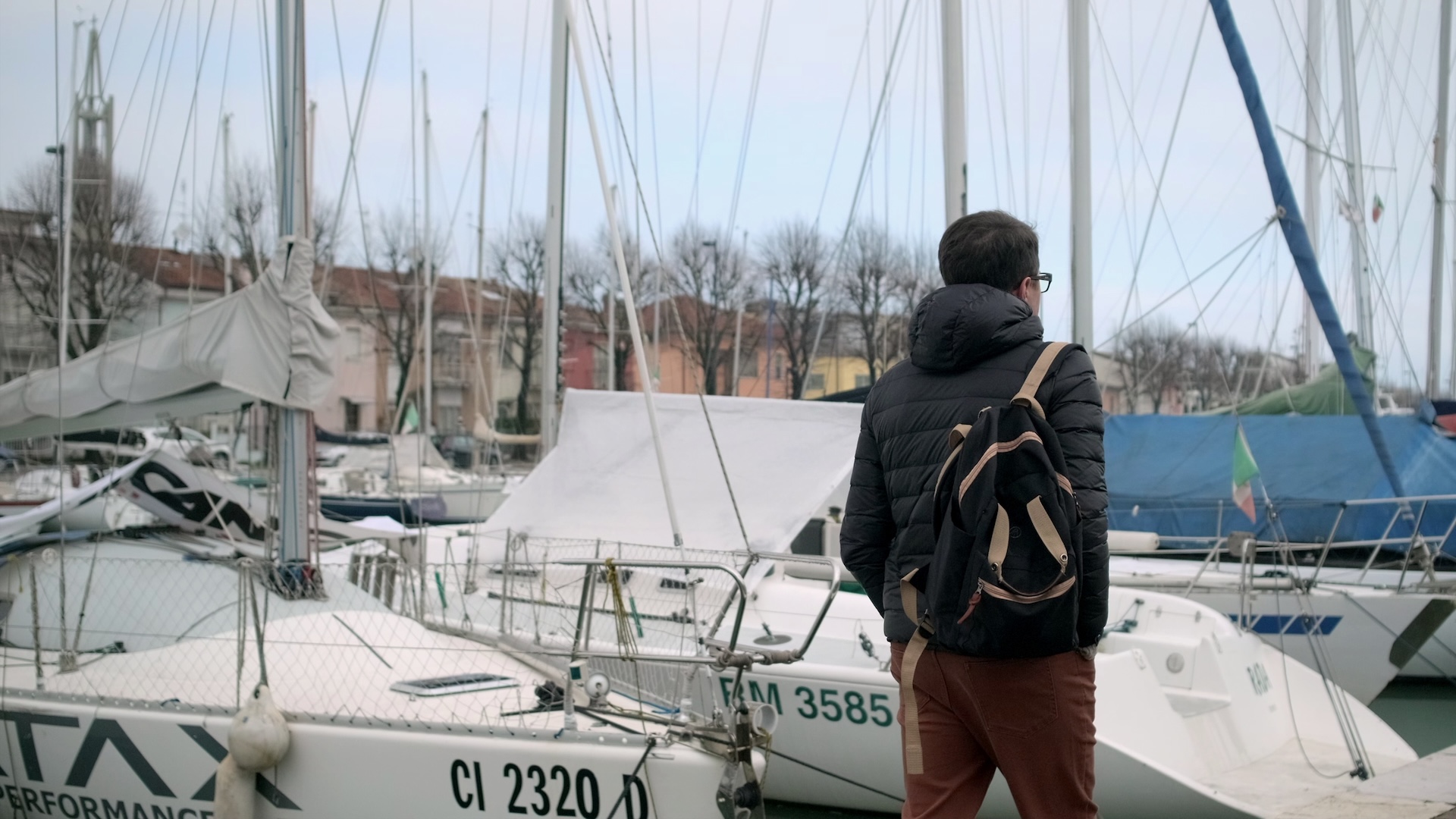
What Other Skippers Actually Want to Know
1. Approach and Entrance
NOAA describes charts and Coast Pilot as sources of depths, hazards, landmarks, currents, water levels, channel descriptions, anchorages, piers, and small-craft facilities. When reading someone else’s review, a skipper is not looking for your mood first. They are looking for the answer to: “How do I get in and out of this place without surprises?”
The useful details are usually practical and specific. Was the entrance easy to read? Were the leading marks and lights visible? Was there swell on the approach, crosswind in the narrow part, or heavy ferry traffic nearby? Did you have enough room to turn, or did you need to stay precisely in the dredged channel? Even one short sentence such as “there was a noticeable following swell on the entrance, and at dusk the outer lights were harder to pick up than expected” may be more useful to another crew than the rest of the review combined.
2. The Berth and the Mooring Itself
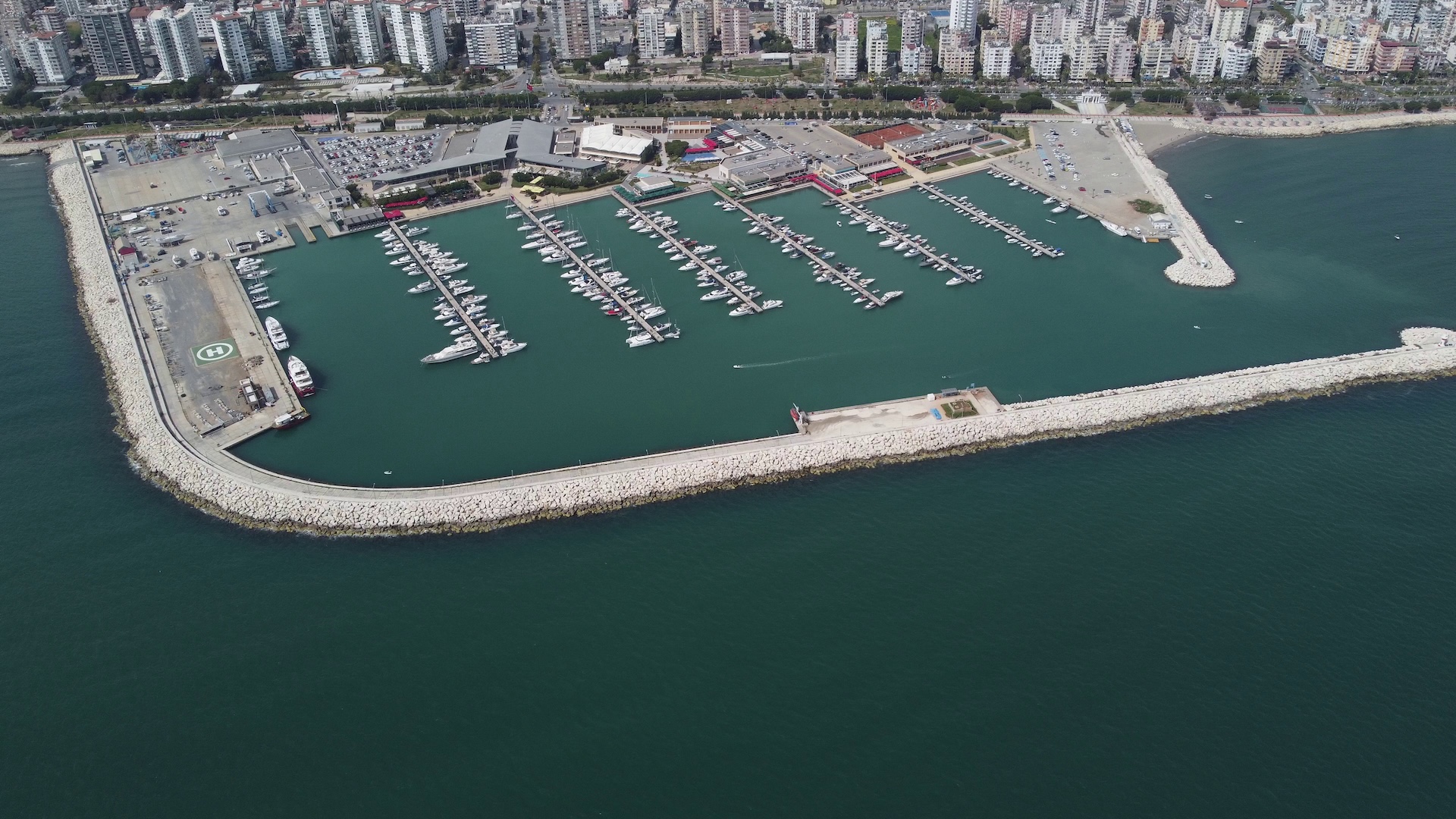
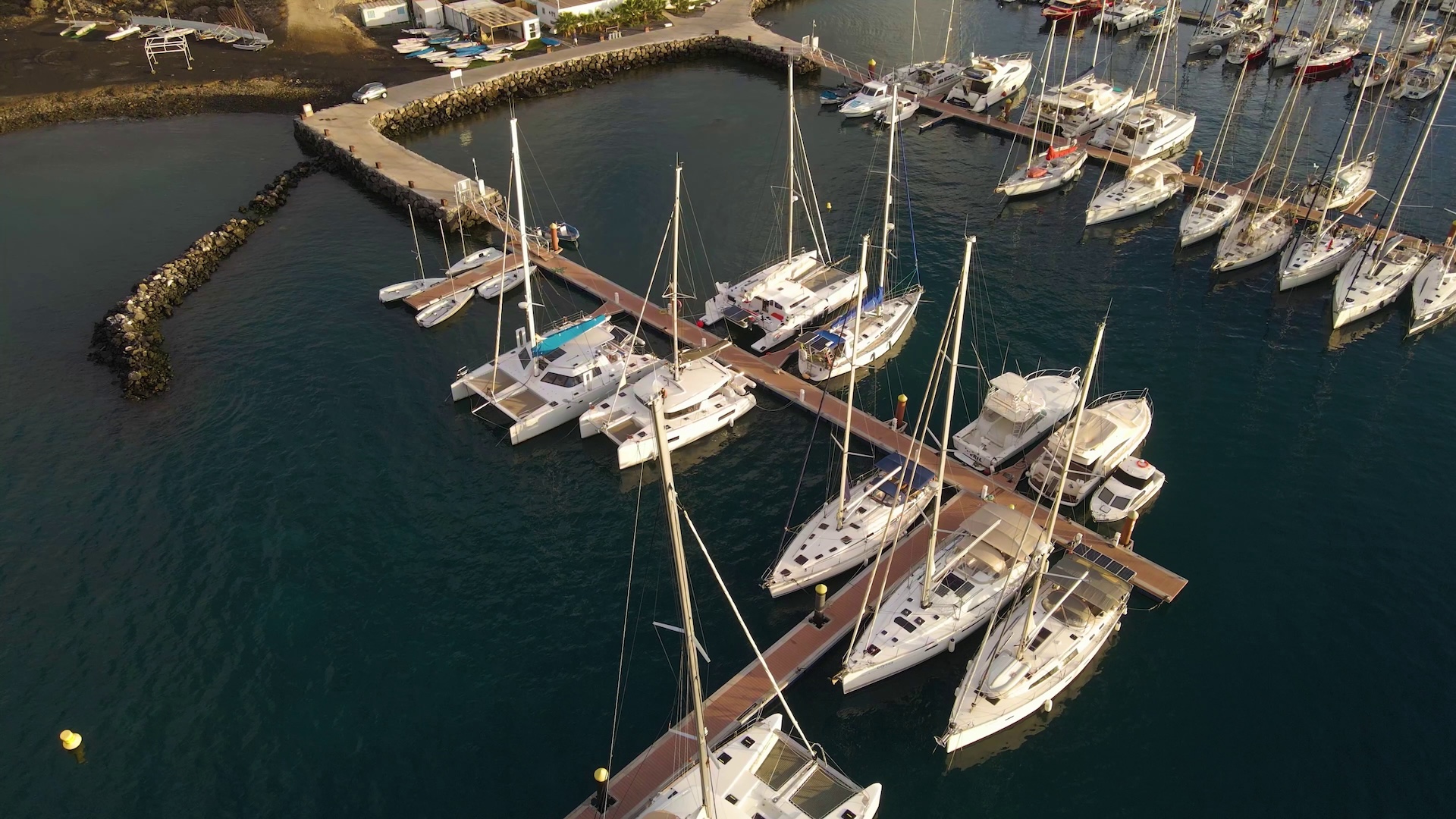
Once the boat is inside, the question changes: where exactly were you berthed, and how exactly did you moor? Gold Anchor explicitly evaluates on-water facilities and infrastructure, and Blue Flag requires clear information about marina features, including guest berths. That is a good benchmark: other skippers do not simply want to know that “a place was available.” They want to know what that berth was actually like in practice.
Say how you actually moored: alongside, stern-to, on lazy lines, or something else. Mention the depth at the berth, whether there was room for your beam, and whether staff helped with the lines. If getting ashore was awkward, the wind pushed the stern around, or the outer pontoon rolled, say that too. For catamarans, deep-draft sailing yachts, and high-sided motorboats, these details are the core of the experience.
3. Utilities and Basic Infrastructure
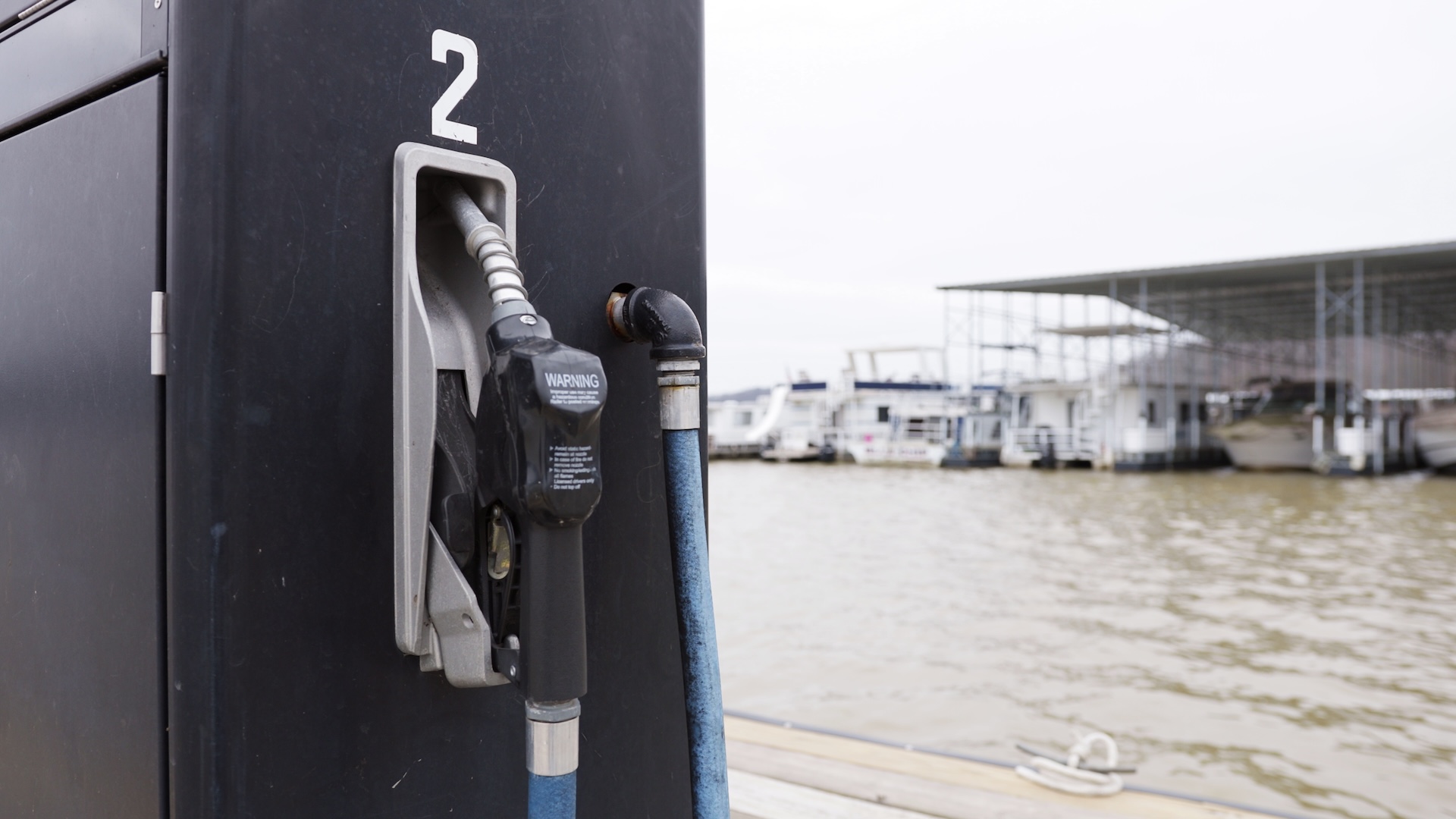
A large number of reviews collapse into one empty phrase: “full service.” That means nothing until it is unpacked. Blue Flag’s marina criteria give a useful sense of what “service” can actually mean: sanitary facilities, drinking water, waste reception, first aid, lifesaving and fire-fighting equipment, and water and electricity close to the berths. On the marina map, it also expects practical points such as guest berths, fuel, and sanitary facilities to be marked.
As a review writer, follow a simple rule: do not write a vague “everything is there.” Write what was there, and whether it worked. What type of shore power was available? Was the amperage enough? Was there water on the pontoon? Was the fuel dock operating? Was pump-out available? Were the showers clean? Were garbage and recycling bins easy to find? If you actually used oil disposal, battery disposal, or pump-out, that comment is especially valuable.
4. Shoreside Services Around the Marina
Many people write marina reviews as if the crew never goes ashore. That is a mistake. A proper marina is also about how easy it is for the crew to live and solve problems ashore. Gold Anchor treats on-shore facilities and infrastructure as a separate category, and Blue Flag includes public transportation, fuelling station, boat repair areas, parking, the office, and other reference points on the marina map.
A truly useful review should say how long it really takes to walk to a supermarket, whether taxis are easy to get, and whether laundry, pharmacy, chandlery, public transport, or parking are realistically available. “The town is nearby” is weak. “A proper supermarket is 12 minutes on foot, the laundry is 5 minutes away, and a taxi to the airport arrived in 8 minutes” is already useful. This matters especially for crew changes, provisioning, repair work, or several days of weather delay. Individual marina pages on Sailors.tips, such as Jussarö and Itämeren Portti in Finland, are useful when reviews make these differences visible.

5. Comfort, Safety, and the Reality of Daily Life
Safety is another place where practical details matter. Are emergency contacts visible? Is the fuel dock clearly marked? Are swimming restrictions obvious? Can a visiting crew find fire-fighting equipment, first aid, and lifesaving gear without already knowing the marina? Blue Flag treats these as explicit marina criteria because they affect real use, rather than just compliance.
Mention everyday details when they affect the stop: rolling from swell, noise from bars or clubs, slapping halyards, early service vehicles, awkward gate access, poor lighting, or a long walk to the showers. No dock carts for provisions? No help with mooring? Say that too. These are not “small things.” For the next crew, exactly these small things are often what make the decision: stop here or look for an alternative.
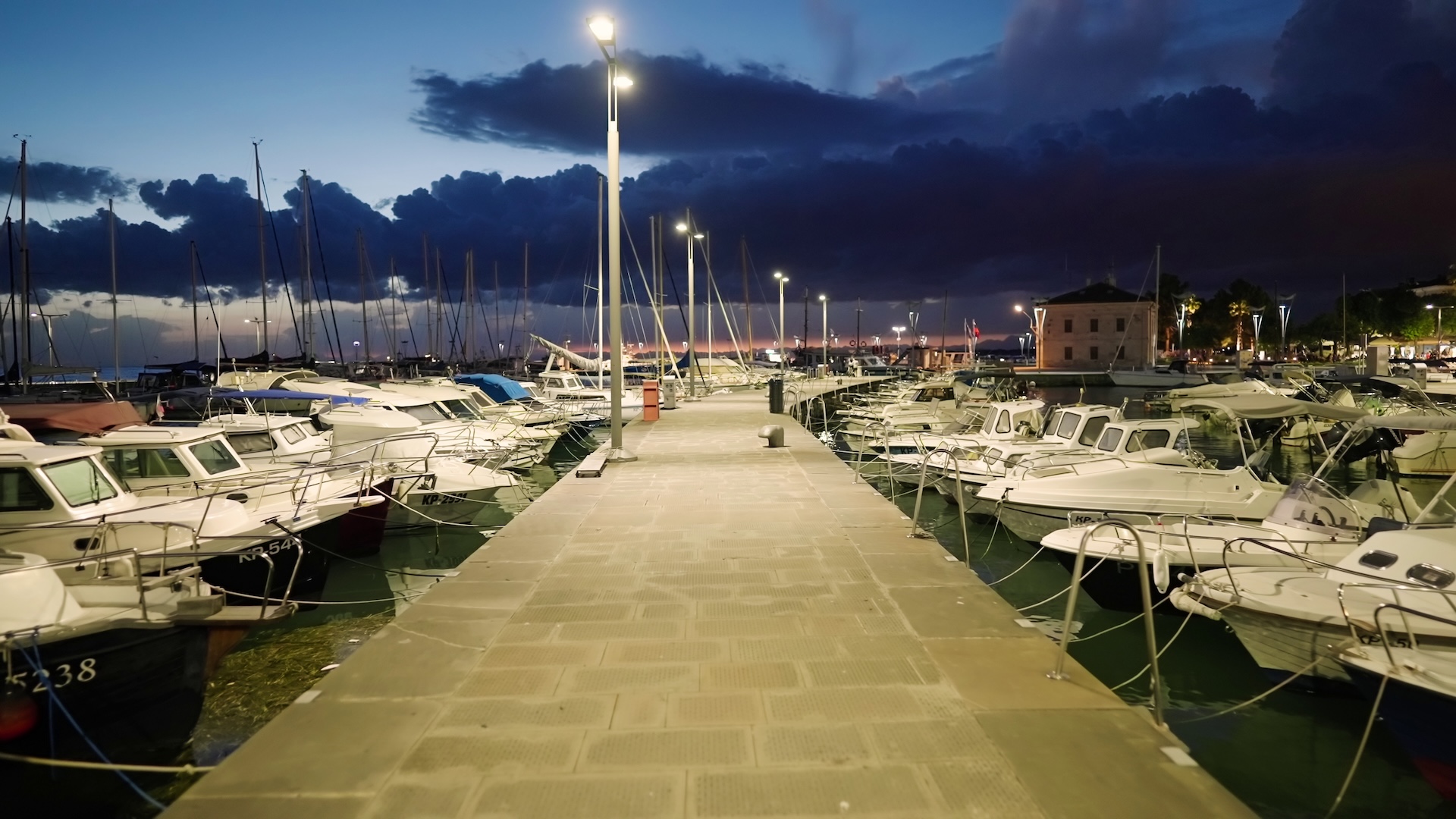
The Secret of a Useful Review: Not Adjectives, but Observations
Google Maps advises reviewers to be specific and relevant, and Tripadvisor puts similar weight on explaining the rating. For marina reviews, the practical rule is simple: replace adjectives with observable facts.
Not useful: “The marina is great.”
Useful: “We stayed on the outer guest pontoon in June; in a northwesterly there was noticeable rolling, but the entrance and maneuvering were easy, and staff took our lines quickly.”
Not useful: “A bit expensive.”
Useful: “The nightly rate was above the local average, and electricity was charged separately, while water was included.”
Not useful: “The staff were awful.”
Useful: “There was no answer on VHF at first, nobody was waiting on the pontoon when we arrived, and late check-in had to be sorted by phone through security.”
Not useful: “It has services.”
Useful: “Fuel, pump-out, and laundry were operating; the chandlery was small, but it had the basic consumables.”
Not useful: “Everything is nearby.”
Useful: “A good supermarket is 10–15 minutes on foot, the pharmacy is close, taxis arrive quickly, and the airport is about 25 minutes away.”
That is how a review stops being a mood report and becomes a navigational and logistical note.
Write Only About Your Own Experience and Keep Conflicts of Interest Under Control
Honesty matters just as much as detail. A review should reflect a real visit, not fake engagement, a discount deal, or a personal/professional conflict. If you work for the marina, used to work there, received special terms, or are trying to settle a dispute through the review, the text stops being useful to other skippers. That is also the direction of Google’s contribution rules.
Do not repeat hearsay such as “people say it is always shallow here” or “everyone knows the owner is greedy.” Do not rate the yard if you did not use it. Do not pretend to be an independent guest if you received special terms. Do not turn the review into bargaining of the “give me a discount and I’ll leave five stars” variety. That kind of text is not just questionable. It is useless.
Tripadvisor states another important principle: do not rate aspects you did not experience. That matters especially for marinas. If you only stayed one night, do not write categorically about the repair yard if you did not use it. If you only came in for fuel, do not write as though you know everything about winter storage, lift operations, and long-term berthing.
Be Tough on Facts, Not on Tone
Google Maps recommends staying respectful and constructive even in criticism. There is a practical reason for that: anger crowds out detail. A respectful but precise text lets you describe a bad experience in a way that still helps someone else make a decision.
For a negative episode, this formula works: first the observable fact, then the effect on the crew, then the context. For example: “There was heavy rolling on the outer pontoon from passing ferries, so we slept badly; the inner berths may be different.” That is stronger than any “disgraceful and terrible” style outburst, because the next skipper immediately understands what exactly happened and what it depends on.
Photos for a Review: Show What Cannot Be Explained Properly in Two Lines
Photos should help people understand the place. That means correct location, clear image, no duplicates, and no pointless selfies. Google Maps gives similar basic guidance to reviewers. For a marina, the best photo set is usually very unromantic: the entrance from seaward, the guest pontoon and fairway, the shore-power and water pedestal, the fuel dock, the pump-out station, the sanitary block, and the route to the nearest supermarket or taxi pickup point. Those images work better than any atmospheric sunset shot.
At the same time, do not upload things that could harm people or violate privacy: personal phone numbers, license plates, gate codes, documents, close-up faces of random people, or any other personal data. Google Maps policy specifically prohibits publishing personal information without consent.
How Long Should the Review Be?
The ideal length is usually shorter than people think. One dense paragraph or 2–4 short paragraphs usually works well for a marina review, especially if it follows the sequence “context, entrance/berth, services, conclusion.” Google Maps itself notes that a paragraph is often enough, while Tripadvisor mainly wants the rating to be explained. Ten-screen essays are rarely read to the end. A one-word “great” gives almost nothing.
A Working Template That Almost Always Produces a Useful Result
Try this next time:
We were here in [month/year] on a [boat type, LOA, draft].
Purpose of the stop: [overnight / weather delay / fuel / crew change / repair / provisioning].
Approach and entrance: [depths, swell, wind, readability of the entrance, night entry].
Berth: [type of mooring, depth, ease of maneuvering, staff assistance, rolling].
Infrastructure: [electricity, water, showers, pump-out, fuel, Wi-Fi, garbage, safety].
Ashore: [supermarket, laundry, chandlery, taxi, transport, airport].
Bottom line: [what the marina is good for, and what it is not the best choice for].
If that template is filled in honestly and specifically, your review will already be more useful than most.
Conclusion
It may be tempting to use a bad review to “teach the management a lesson.” A useful marina review has one main job: helping the next skipper make a decision. The best ones answer four questions: can you get in safely, can you lie there comfortably, can the crew solve its shoreside tasks, and what kind of stop is this marina best suited for?
When a review gives those answers, it becomes part of normal seamanship and mutual help afloat. And that, in essence, is its only correct standard.
To compare marinas or add your own stopover notes, use the Sailors.tips sailing map or search for the marina you visited.

Comments
0 comments
No comments yet.
Please log in or register to leave a comment.