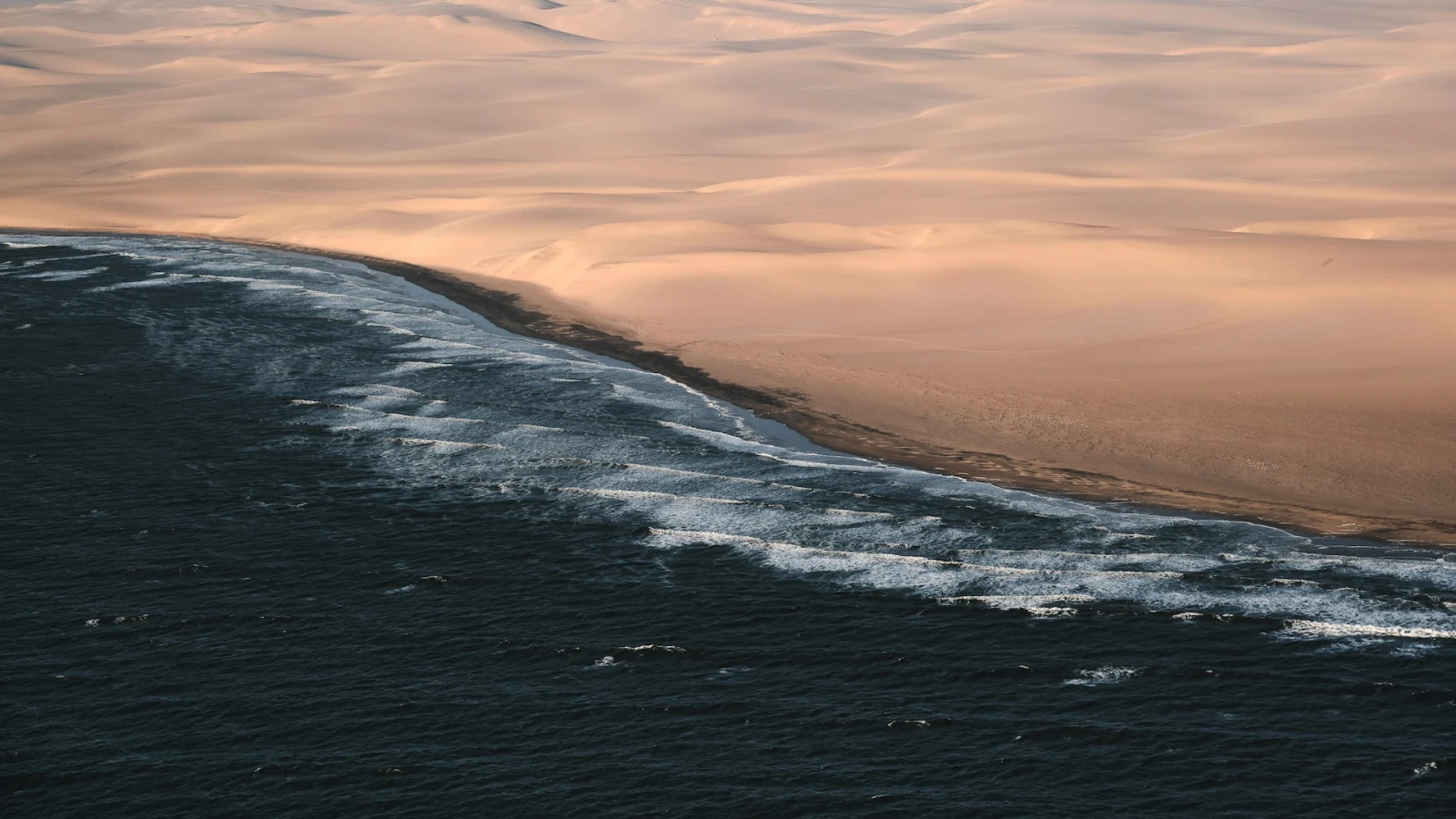
The word "best" is risky in sailing. One crew needs a shower, electricity, a quiet berth, and a shop ten minutes away. Another cares more about regatta history, a club atmosphere, and a beautiful approach between islands. A third crew needs a reliable stop before a long passage, with fuel, septic tank emptying, laundry, and a safe place to wait for a weather window.
So it is more honest to speak not about one single ranking, but about marinas that are useful for different routes and different crews. This article does not try to name the "best marina" in the Baltic. Instead, it is a first working shortlist of places worth knowing if you are planning routes around the Baltic Sea.
Information and sources were checked on 27 May 2026. Conditions, prices, reservations, depths, and services should always be checked before arrival.
How to Evaluate Baltic Marinas
In the Baltic, it is not only about whether a place is beautiful. The region has a short season, changeable weather, rocks, shallows, long bright evenings, a developed club culture, and sometimes long distances between convenient stops.
I would judge marinas by six criteria.
The first criterion is how reliable the approach and berth are. How clear is the approach? Is there shelter? How does the marina behave in wind and waves? Can you stay there overnight without stress?
The second criterion is route value. A good Baltic marina is often important not only by itself, but as a useful stop between two passages. This is especially clear on routes through the Gulf of Finland, the Åland Islands, Gotland, the Curonian Spit, the Polish coast, and Kiel Bay.
The third is infrastructure. Water, electricity, fuel, septic tank emptying, showers, laundry, repairs, shops, transport, and connection to the town.
The fourth is the town or island nearby. Sometimes a marina is memorable not because of the pontoons, but because Stockholm, Visby, Gdańsk, Helsinki, or a small island town begins five minutes from the boat.
The fifth is sailing culture. Regattas, clubs, history, local traditions, known routes, and the feeling that sailing is not just a tourist service here, but part of local life.
The sixth is a reason to return. This is the most subjective criterion, but without it the list would be dry. A good marina has services. A truly memorable marina has character.
MarinaBay / Katajanokka, Helsinki
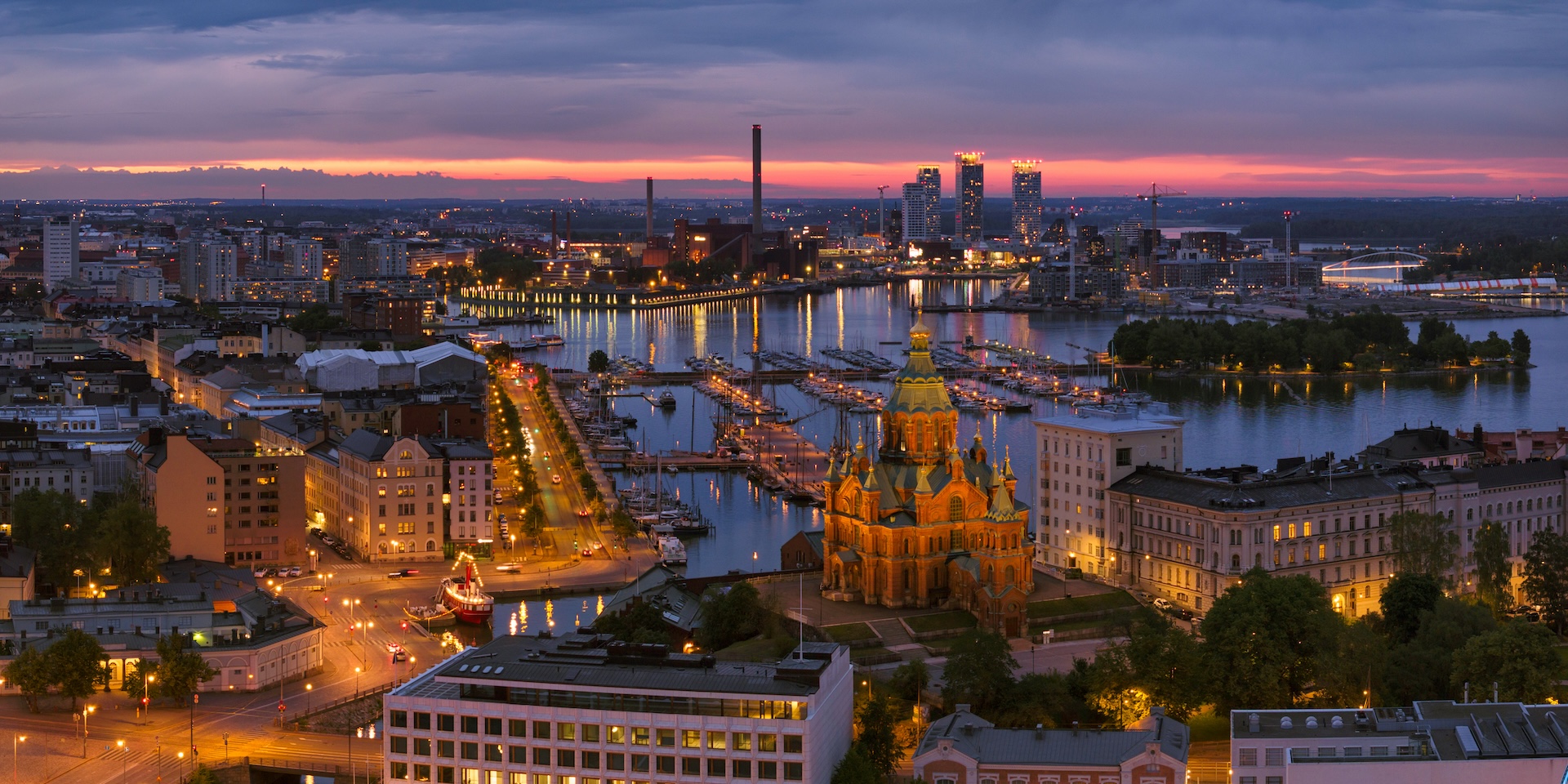
If your crew is arriving in Helsinki for the first time and wants to go straight into the city, MarinaBay / Katajanokka is one of the clearest choices. It is the official guest harbour of the City of Helsinki, with more than 100 berths, water, electricity, showers, sauna, laundry, Wi-Fi, septic tank emptying, and VHF 68.
 MarinaBay / Katajanokka
The main advantage of Katajanokka is simplicity. The boat is in the city, not "somewhere nearby". From here you can walk to Market Square, Uspenski Cathedral, Esplanadi, restaurants, and the ferry to Suomenlinna. For a short stop from Tallinn, Hanko, or the eastern Gulf of Finland, this is very useful.
If you are planning a short stop in Helsinki, it is worth reading the separate guide on which marina to choose in Helsinki for a weekend.
Why it is included:
a good option for a first visit to Helsinki;
you can walk to the city center;
convenient for crews who want a shower, dinner, a walk, and an easy departure in the morning;
useful for visiting Helsinki and preparing for the next passage.
This is a city marina. It will not give you the quiet or island atmosphere of Suomenlinna, Sandhamn, or Åland.
Useful links and official sites:
Wasahamnen, Stockholm
Wasahamnen is one of the most convenient city marinas in the Baltic. It is on Djurgården, in central Stockholm, close to museums, parks, walking routes, and public transport. The official Wasahamnen page describes it as a four-star guest marina on Djurgården, while Royal Djurgården calls Wasahamnen Stockholm's most central guest harbour.
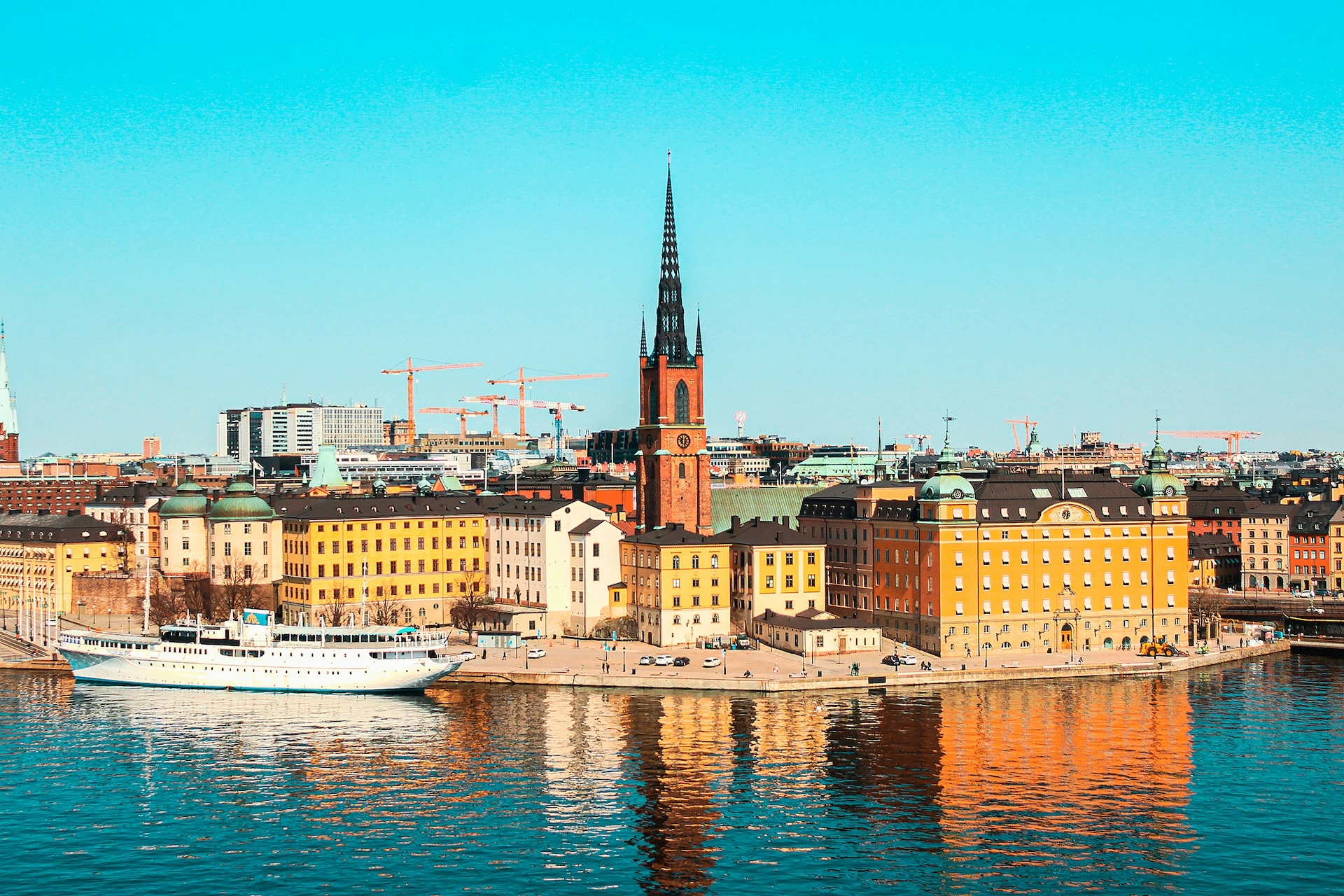
This is not a marina for a quiet archipelago evening. This is a place you choose for Stockholm. You can drink coffee on board in the morning, visit the Vasa Museum or walk around Djurgården during the day, and return to the boat in the evening like to a small apartment on the water.
Why it is included:
one of the best berthing options if you want Stockholm itself;
the marina, city, museums, and walking routes are close together;
convenient for crews with non-sailing guests;
a good contrast to the natural harbours of the Stockholm archipelago.
In high season, popularity means density. This is not a place where you should expect complete quiet.
Useful links and official sites:
Sandhamn, Stockholm Archipelago
Sandhamn Guest Harbour is no longer a simple city stop. It is a place with a sailing reputation. KSSS describes Sandhamn as a traditional sailing center in the outer part of the Stockholm archipelago, with excellent opportunities for offshore racing. Across Sandhamn, Lökholmen, and Telegrafholmen, the KSSS guest harbours have space for more than 400 boats.
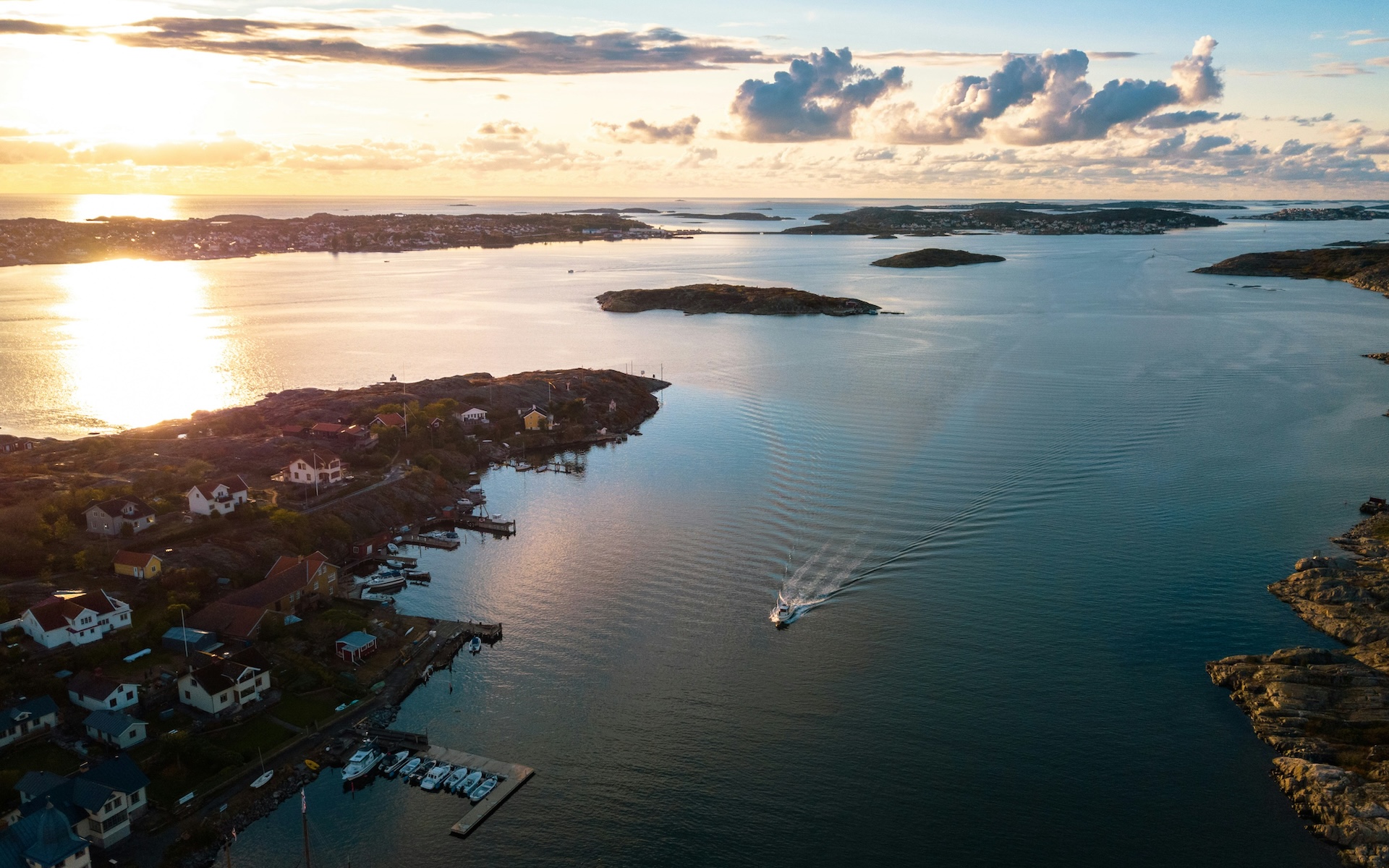
Sandhamn matters because it is not just "another beautiful island". It is a place where the archipelago meets open water and where Swedish sailing culture is visible immediately. There is club history, regattas, visiting boats, summer bustle, rocks, sand, restaurants, and the feeling that almost everyone arrived here by water for a reason.
Why it is included:
a clear sailing atmosphere;
a classic stop in the Stockholm archipelago;
useful before or after outer-archipelago passages;
a good place to feel the Swedish archipelago as a living sailing environment, not just a postcard.
In high season, Sandhamn can be very busy. That is part of its character, but it does not always mean a quiet stop.
Useful links and official sites:
Visby Guest Harbour, Gotland
Visby Guest Harbour is one of those stops that stays in memory even for sailors who usually judge marinas by showers and Wi-Fi. The city is listed by UNESCO as the Hanseatic Town of Visby. The medieval city wall, old streets, and the position of Gotland in the middle of the Baltic make this an almost essential stop for routes through the central part of the sea.
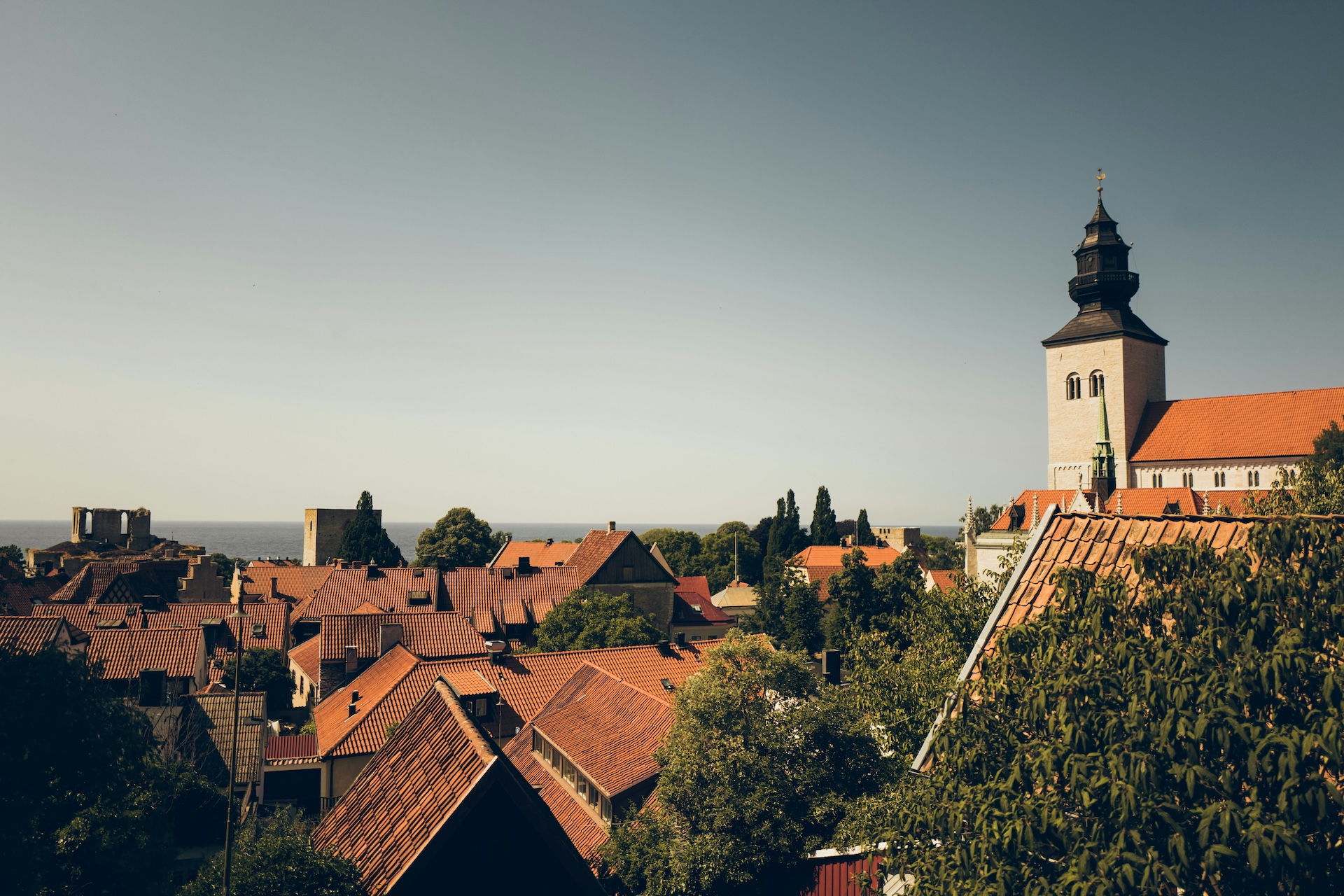
Visby Guest Harbour is valuable not only as a berth, but as an entrance to a historic city from the water. The boat becomes part of the route, not just transport. In the morning you are in the cockpit, during the day inside a medieval townscape, and in the evening back on board.
Why it is included:
one of the best combinations of marina and history in the Baltic;
Gotland is an important route point between Sweden, the Baltic states, Poland, and Finland;
UNESCO status explains why this stop feels historic;
a good stop for crews who care not only about services, but also about the feeling of the place.
Visby can be crowded in season, especially during popular summer weeks. Reservations and planning matter.
Useful links and official sites:
Hanko, Finland
Hanko matters not because it is the biggest city or the most luxurious marina. Its value is its position. It is the southern tip of Finland, where the Gulf of Finland, the Archipelago Sea, and the open Baltic meet. For sailors, Hanko often becomes a natural stop on routes between Helsinki, Åland, Estonia, and Sweden.
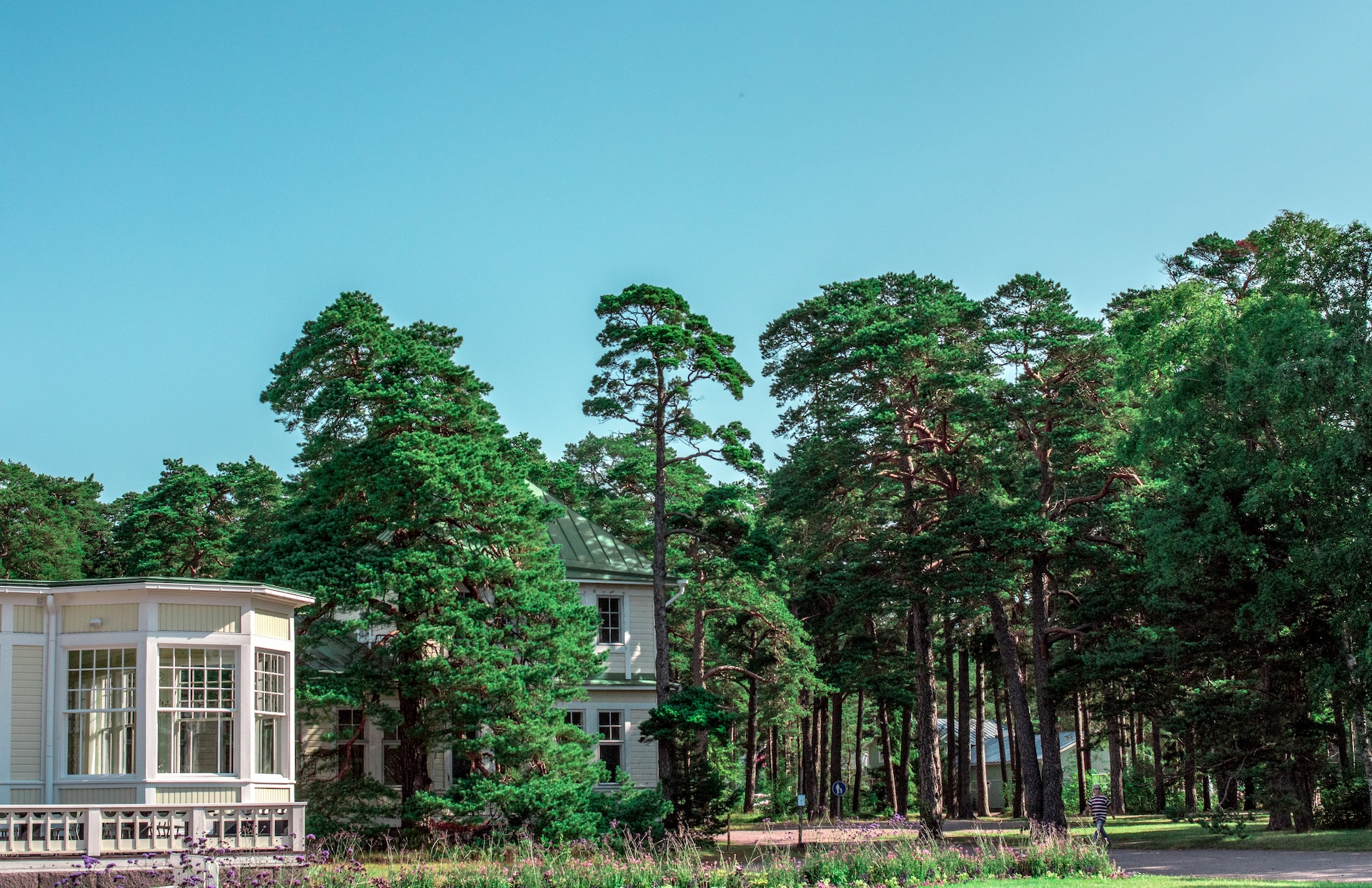
In Hanko, there are several berthing options, including Hanko Eastern Harbour and Itämeren Portti. Sailors.tips describes Hanko as the southern sailing hub of Finland, while Itämeren Portti presents itself as a home and guest harbour by the Eastern Harbor. The town is also known for its regatta tradition and summer maritime atmosphere.
Why it is included:
strategic position in southern Finland;
useful for routes between the Gulf of Finland and the Archipelago Sea;
good mix of town, beaches, restaurants, and sailing infrastructure;
Hanko gives a real Finnish summer sailing-town feeling.
This is a popular place. On regatta days and peak summer days, prices, density, and berth availability can change quickly.
Useful links and official sites:
ÅSS Marina, Mariehamn
Åland is a special sailing area between Finland and Sweden. Mariehamn is a convenient center for this area. You can stop here for crew changes, rest, museums, supplies, and onward movement through the archipelago.
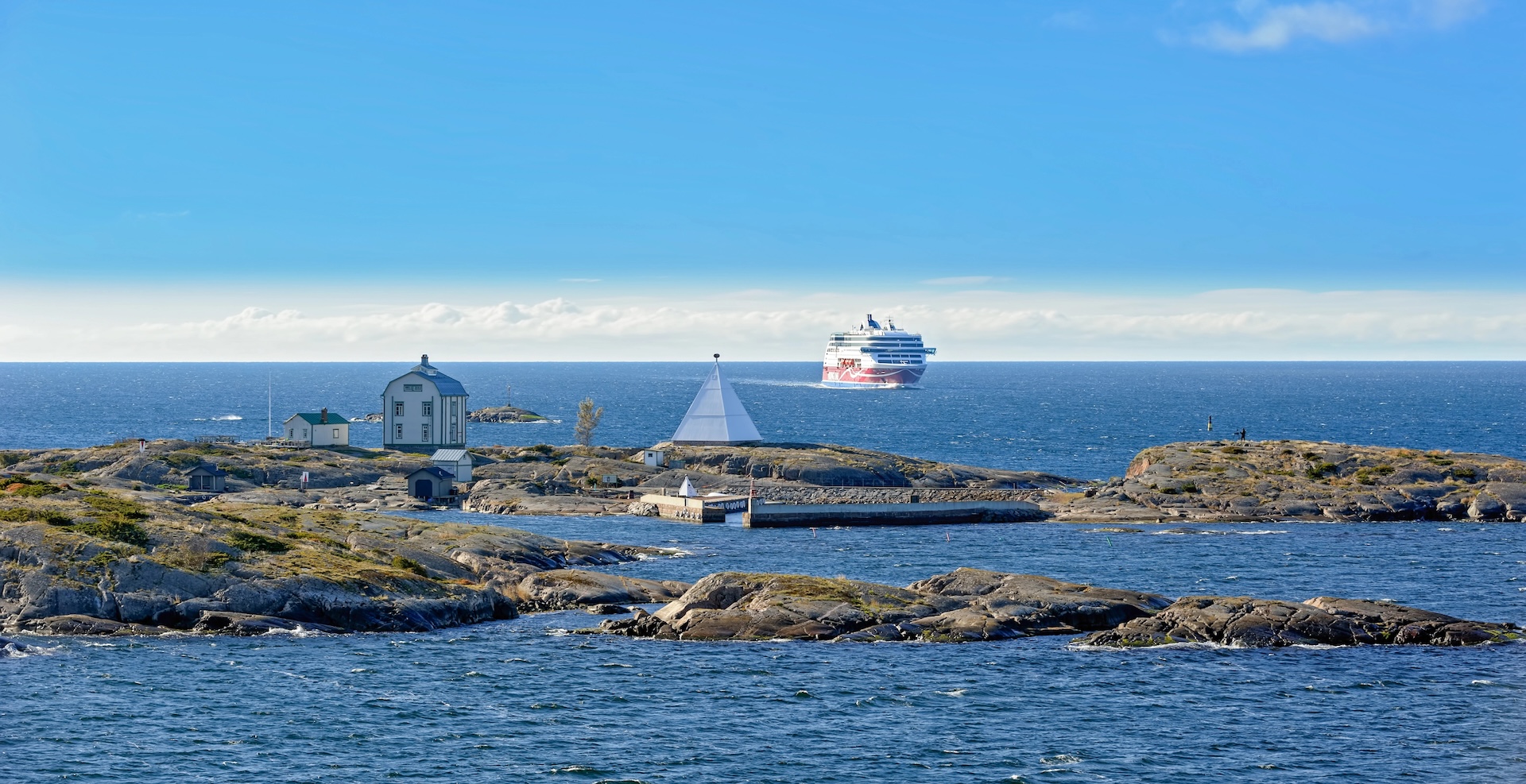
ÅSS Marina is on the western side of Mariehamn, near the Åland Maritime Museum and Pommern, a historic four-masted barque. Visit Åland notes that the harbour fee includes a berth, electricity, water, showers, toilets, sauna, and Wi-Fi. For the Baltic, this is a useful combination of a town berth, maritime history, and archipelago routes around it.
Why it is included:
one of the best stops if your route goes through Åland;
maritime history is right next to the marina;
a convenient base before quieter island stops;
in Mariehamn, it is easy to pause between more remote parts of the route.
This is not the wildest or most secluded side of Åland. For quiet nature, it is better to continue farther into the islands.
Useful links and official sites:
Pirita TOP Marina and Kalev Yacht Club, Tallinn
Tallinn deserves a separate discussion, because the city has Pirita sadam, Noblessner, Kakumäe, Kalev Yacht Club, and other options for yachts. But in terms of Baltic recognition, the Pirita area matters because of its history and active club life. Tallinn Olympic Yachting Centre was built for the 1980 Olympic sailing regatta, when Tallinn hosted the sailing events of the Moscow Olympics.
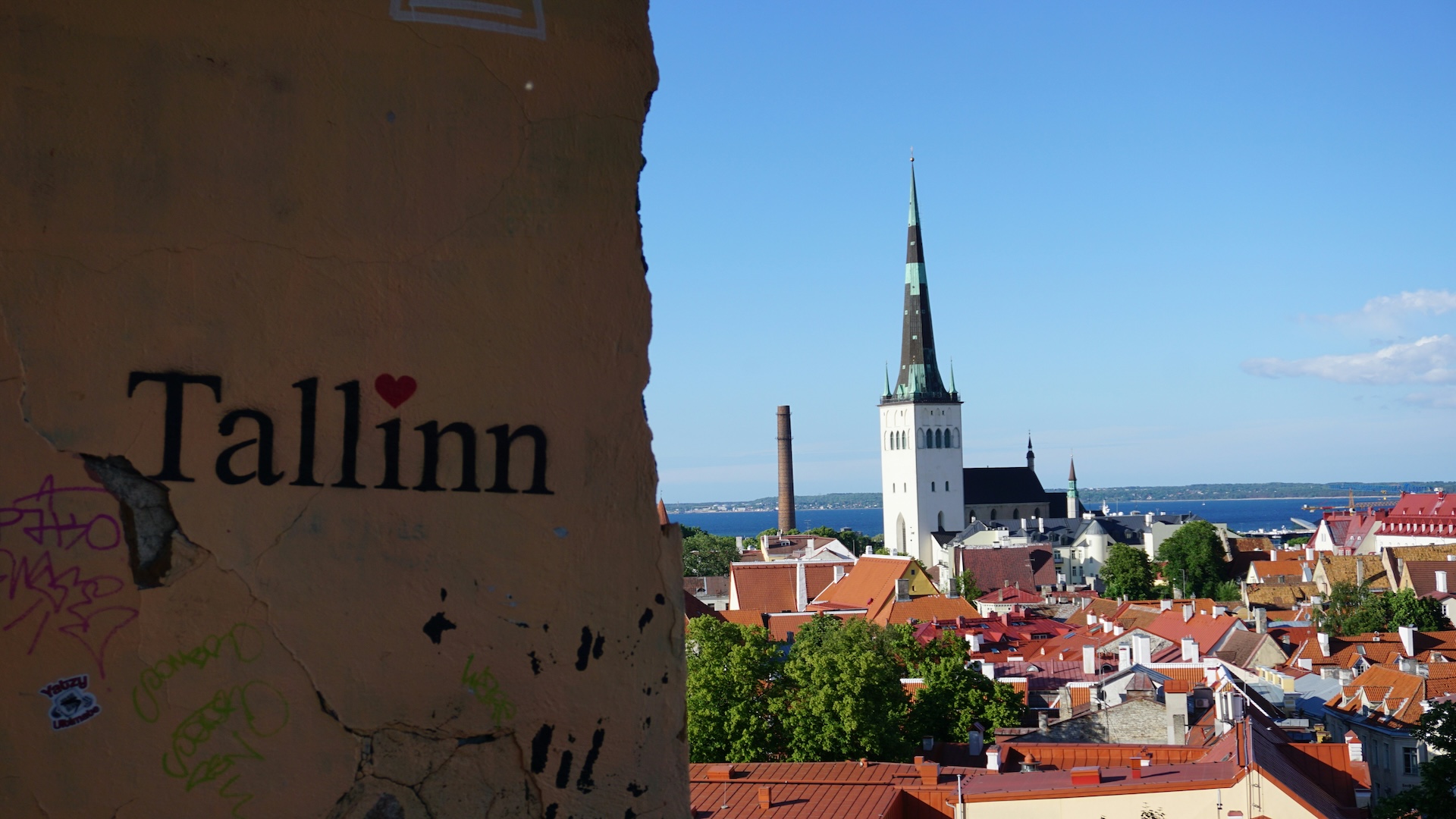
Pirita TOP and Kalevi jahtklubi sadam are best understood as one large sailing area at the mouth of the Pirita River. TOP brings scale and Olympic memory. Kalev Yacht Club adds what a simple city berth cannot: a real club, regattas, a sailing school, and year-round yacht life.
The official Kalev Yacht Club page states that the club was founded in 1948, has more than 770 members, and is located at Pirita tee 17. It also says that thanks to the club's members, Tallinn became the city of the 1980 Olympic sailing regatta, while KJK is the home harbour for around 130 small vessels and about ten visiting boats.
Today Pirita looks like a practical, large, and in places tired sailing area. It should not be presented as a model of a new modern marina. But it has space, sporting memory, a good yacht club, a beach, connection to Tallinn, and a useful position on routes through the Gulf of Finland.
Why it is included:
Olympic history;
a large sailing area in Tallinn;
Kalev Yacht Club gives the place real club life;
useful for routes from Helsinki to Tallinn and onward along Estonia;
a good option if you need not only a berth, but also city sailing infrastructure.
Parts of the infrastructure look dated. For a more modern feeling in Tallinn, compare it with Noblessner or Kakumäe.
Useful links and official sites:
Kuressaare City Harbour, Saaremaa
Kuressaare City Harbour is a good example of a marina that is valuable not because of size or fame, but because of its calm island atmosphere. It is a town harbour on Saaremaa, close to a park, castle, and restaurants. The official Kuressaare City Harbour page describes it as one of the most popular small harbours on Saaremaa, visited by more than 400 vessels per year.
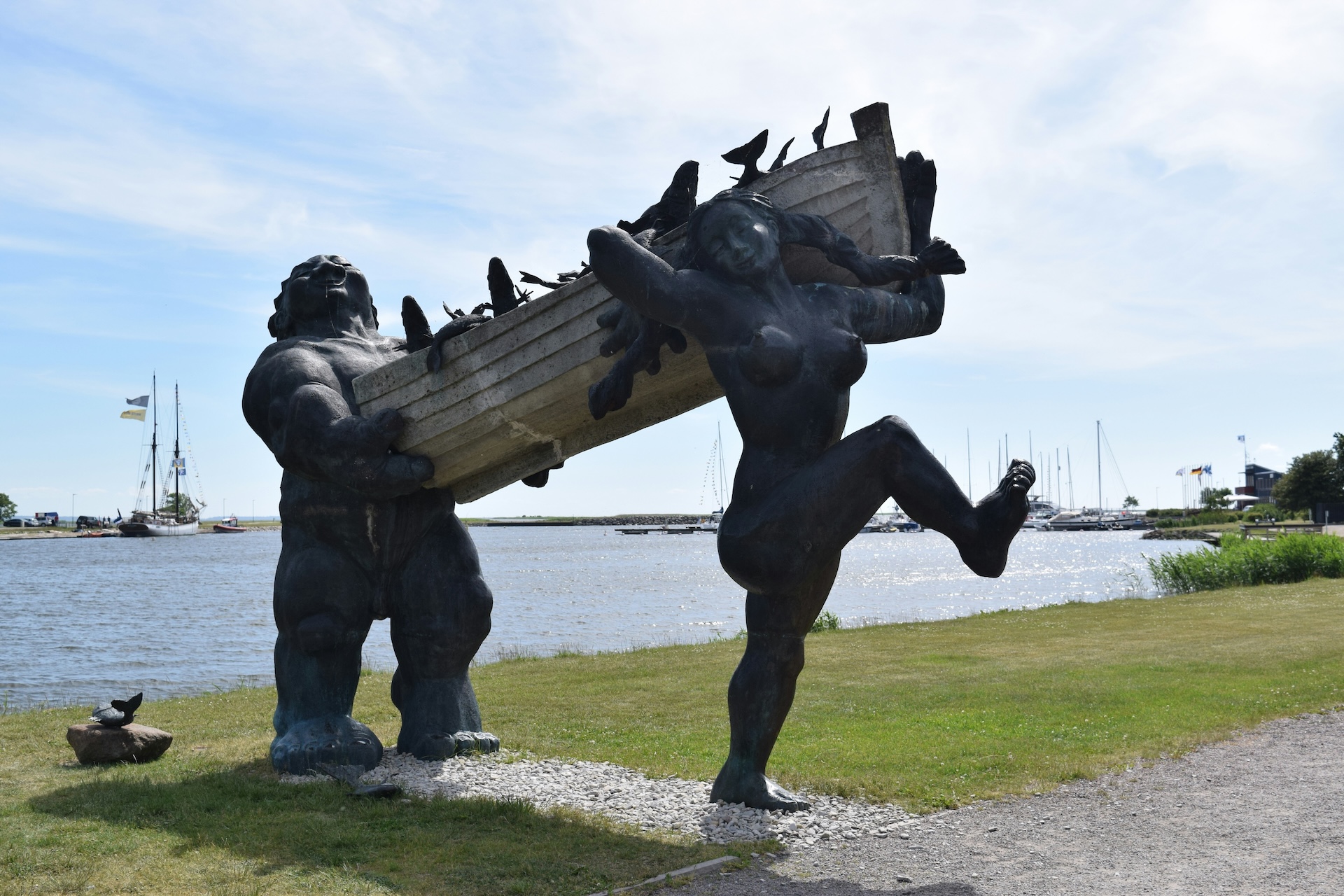
Kuressaare combines a simple berth with real island context. Saaremaa adds depth to routes in western Estonia. This is not just a technical overnight stop, but also a town, a castle, spa culture, island roads, and a slower rhythm.
Why it is included:
a convenient island stop for west Estonian cruising;
the town and Kuressaare Castle are nearby;
a good alternative to more transit-focused ports;
suitable for crews who want not only to keep moving, but also to stay for a day.
Waters around Saaremaa require attention to shallows, channels, wind, and route planning. This is not a place for lazy navigation from memory.
Useful links and official sites:
Marina Gdańsk / Motława
Gdańsk is one of the most memorable city approaches in the southern Baltic. The point of this stop is not only the marina itself, but the fact that the boat approaches a historic port city by water. Motława, old quays, warehouses, bridges, and the city skyline create the feeling of a real maritime arrival. For planning other Polish stops, the Poland marinas page is also useful.
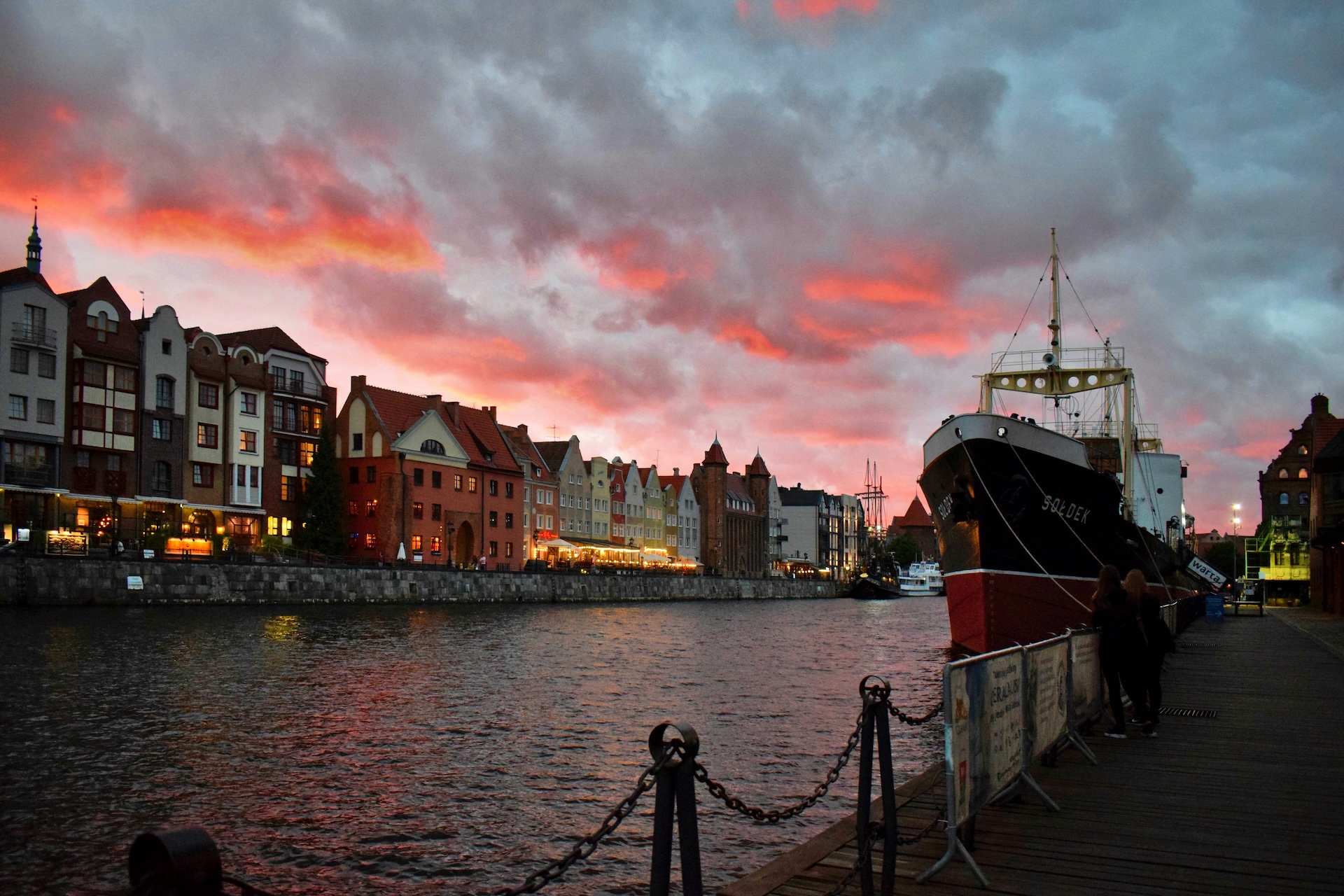
City materials from Gdańsk describe the development of the marina on Nowa Motława as part of infrastructure for small craft and the revival of the waterfront. For sailors, this matters. Gdańsk stops being only a "city by the sea" and becomes a city you can enter by boat and stay inside its historic space.
Why it is included:
one of the best city approaches in the southern Baltic;
the historic setting begins right by the water;
good connection with the Gulf of Gdańsk, the Polish coast, and further routes;
Gdańsk gives the rare feeling that the yacht is entering city history directly.
This is not a quiet natural berth. You need to consider the city waterway, bridges, traffic, and specific approach conditions.
Useful links and official sites:
Nida / Curonian Spit, Lithuania
Marina Nida and the Curonian Spit should be included not as "the most convenient marina", but as one of the most unusual places in the Baltic. UNESCO describes the Curonian Spit as a sand dune peninsula separating the Baltic Sea from the Curonian Lagoon. It is a cultural landscape with dunes, settlements, fragile nature, and a special history of interaction between people, sand, forest, wind, and water.
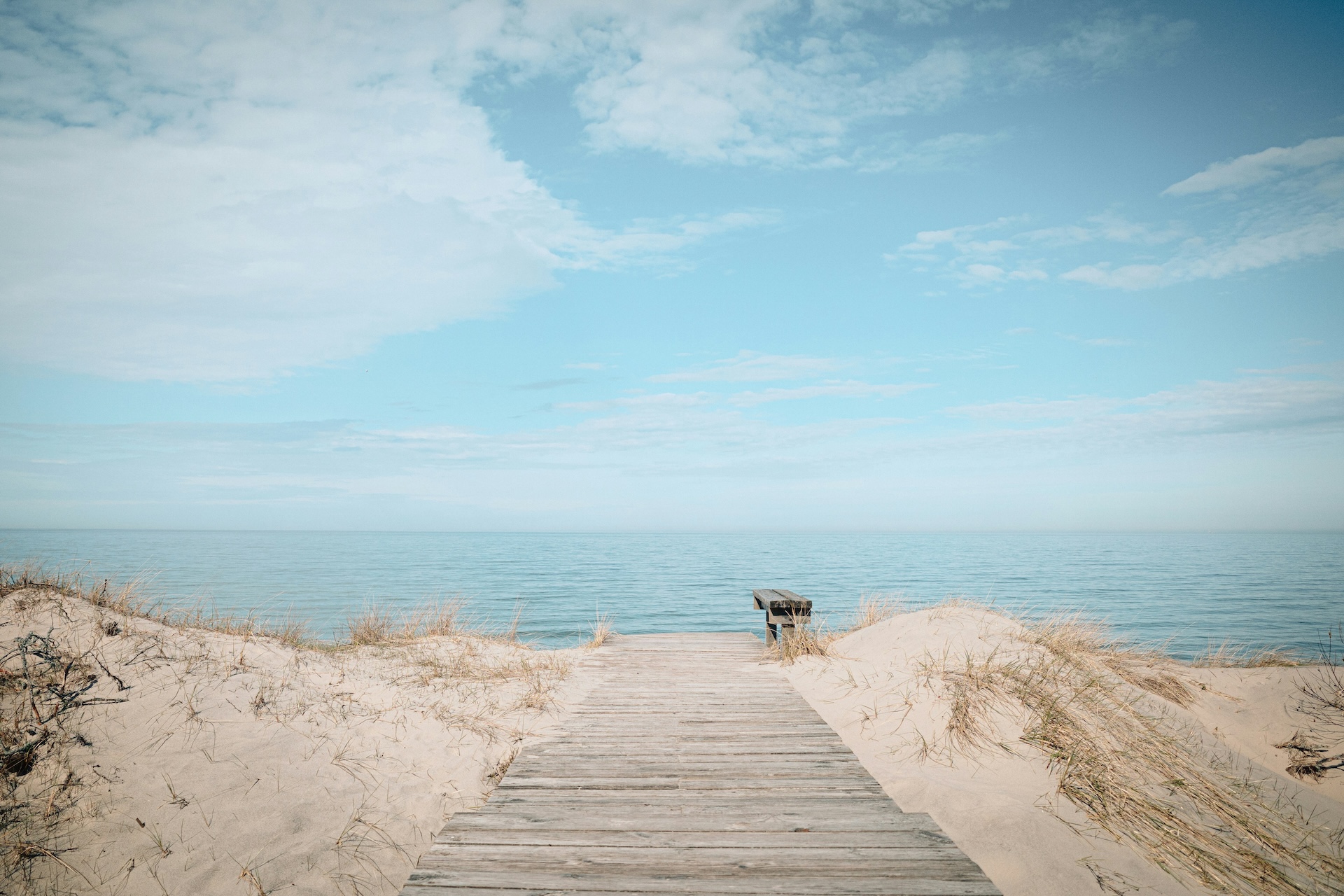
For sailors, Nida is interesting because of the contrast. On one side, there is a shallow lagoon and navigation limits. On the other, there is a place that does not feel like a normal city marina. The main value is not how many restaurants are by the pontoon, but the fact that you came by boat to one of the strangest and most beautiful landscapes in the Baltic.
Why it is included:
unique natural and cultural context;
the Curonian Spit is on the UNESCO World Heritage List;
a good stop for routes in Lithuania and the Curonian Lagoon;
it is a "place for the place itself", not just a service stop.
This is an option for a well-planned route. You need to pay attention to depths, rules, weather, and local restrictions.
Useful links and official sites:
Liepāja Marina, Latvia
Latvia often looks on the chart like a straight and fairly exposed stretch of coast between Estonia, Lithuania, Sweden, and Gotland. That makes a good city marina especially valuable here. Liepāja Marina is in the center of Liepāja, within 5-10 minutes on foot from shops, restaurants, tourist sights, public transport, and the tourist information center.
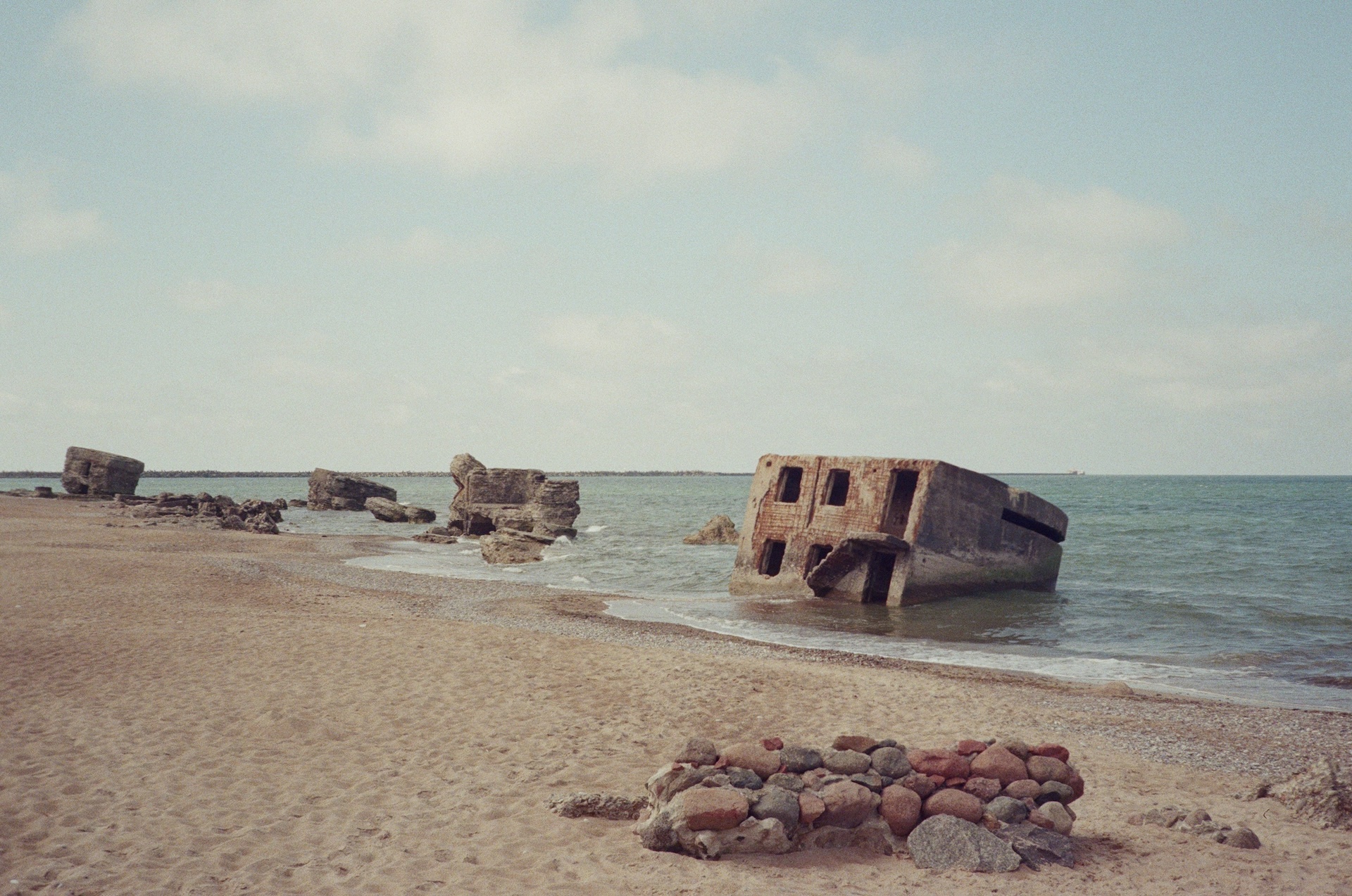
Liepāja may not be the most romantic point on the route, but for cruising sailors such places are often more useful than postcards. This is a clear city stop where you can rest, take a shower, resupply, and prepare for the next passage.
Why it is included:
practical stop on the Latvian coast;
the city center is close;
useful for passages between Lithuania, Latvia, Estonia, Gotland, and Sweden;
Liepāja SEZ materials state that Liepāja Yacht Harbor carried the Blue Flag as a sign of environmental and service quality.
This is not an "archipelago idyll". The value of Liepāja is more about reliability, the town, and the route.
Useful links and official sites:
Kiel-Schilksee, Germany
Kiel-Schilksee will not necessarily be the cosiest berth for a romantic evening. Its value is different. In 1972, Olympic sailing competitions were held here, and today Schilksee remains a sporting center for Kieler Woche and other regattas. For nearby route planning, you can also check other Kiel marinas.
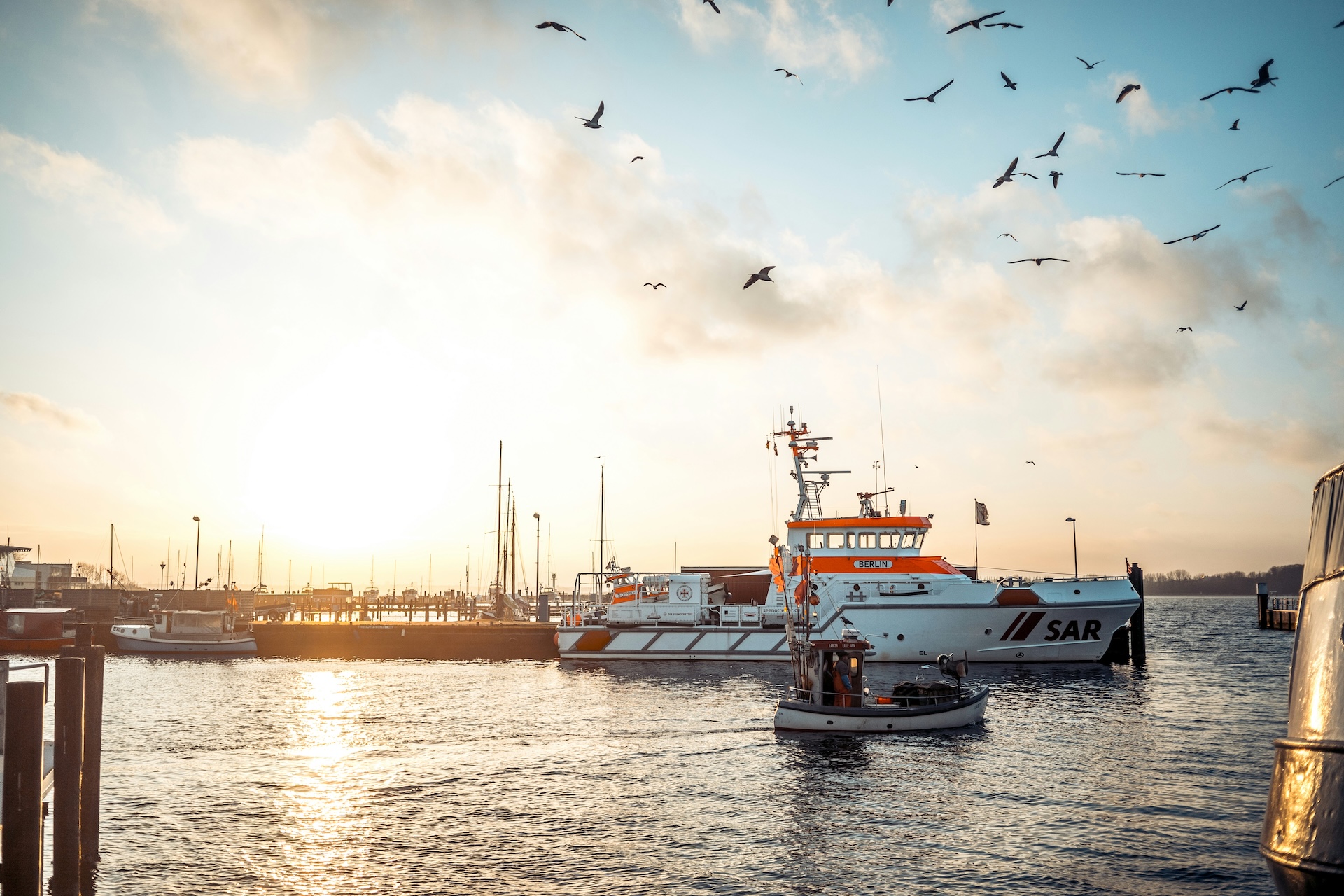
The official Kiel page describes Olympic Centre Kiel-Schilksee as the place where the sporting heart of the legendary Kieler Woche has been located since 1972. Sporthafen Kiel adds the practical side. Schilksee works not only during Kieler Woche, but also as a modern marina with restaurants, shops, a sailmaker, yacht equipment, and a pool with sauna.
Why it is included:
Olympic history;
connection with Kieler Woche;
developed sports infrastructure;
useful for routes through Kiel Fjord, the Baltic Sea, and the Kiel Canal.
During major events, this is not a normal quiet guest marina. For a transit stop, check availability and restrictions in advance.
Useful links and official sites:
Conclusion
The Baltic is useful because you do not have to choose between "only civilization" and "only wilderness". In one region you have large city marinas, club harbours, island ports, regatta centers, quiet natural stops, and places you visit more for history or landscape than for services.
For a first cruise, this matters. You can plan a route where almost every evening you are in a marina with showers, electricity, water, a cafe, and a town nearby. Or you can leave that comfort every other day and head for quieter places, where the main event is not a restaurant, but evening light, forest, rocks, and an empty horizon.
Baltic marina infrastructure is generally well developed, especially in Finland, Sweden, Estonia, Denmark, Germany, and larger city ports. This does not mean you can go without preparation. Weather, depths, rocks, bridges, timetables, seasonality, and reservations still require attention. But sailors usually have a choice: make the passage shorter, find a backup harbour, go into town, or move farther away from town.
That is why the Baltic suits very different crews. It works for crews doing their first independent sea passage. It works for those who like city stops and museums. It works for those looking for yacht clubs and regattas. And it works for sailors who care most about small islands, quiet evenings, and the feeling that the boat has truly left the shore.
The main idea is simple. Do not look for one "best marina in the Baltic". It is better to understand the pace and character of the route you want. After that, good marinas are easier to find. Some will help you rest and resupply, others will be useful before a passage, and some will simply stay in memory as places that were worth reaching by sea.
The Baltic changes, and port conditions change too. If you are in one of these marinas right now, or visited this season, share an update in the comments on the marina card on Sailors.tips. It will help other crews prepare for their arrival.

Kommentaarid
0 kommentaarid
Kommentaare veel pole.
Kommentaari jätmiseks logi sisse või registreeru.