🇰🇷 Marinas in South Korea — East Asia Seas
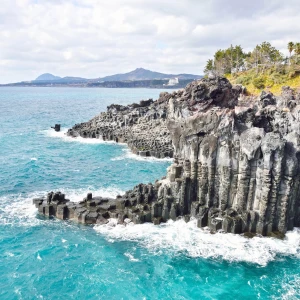
South Korea combines the islands and bays of the south, a tidal west coast and exposed routes along the east coast and around Jeju.



South Korea
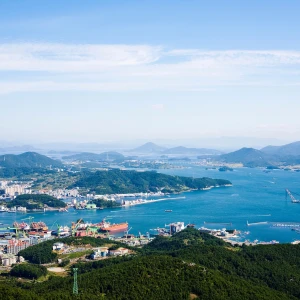
The character of a South Korean sailing trip depends strongly on the coast. In the south, islands and an indented shoreline allow routes between bays and small towns. The west has more shallow water and a greater tidal influence. The east coast is exposed to the open sea, while Jeju requires a separate sea passage.
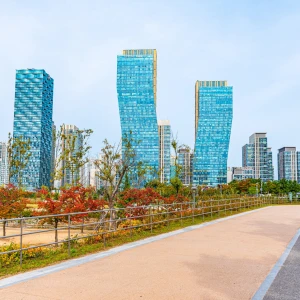
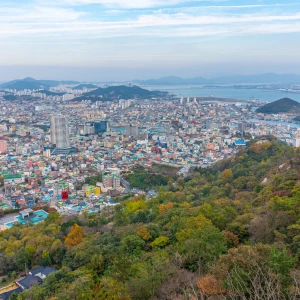
Major port cities can be combined with quieter stops among the southern islands. Ashore, the appeal includes fish markets, local food and walks on coastal hills. Busan offers the experience of a large maritime city; Tongyeong and Yeosu introduce an island coast where fishing remains part of everyday life.
Spring and autumn generally make it easier to avoid summer heat and prolonged rain. Better autumn weather does not rule out typhoons, and even the southern coast can be windy in winter. Arrange international yacht arrivals in advance: not every marina provides entry clearance.
Sailing character
- Island hopping
- Tides
- Open coast
The south coast lends itself to island routes, while the west requires attention to tides and shallow approaches. Exposed coastal passages predominate in the east. Routes near major ports run alongside busy shipping.
What to explore ashore
- Islands
- Coastal nature
Watch out
- Tidal access — West coastOn the west coast, tides substantially change nearshore depths and access through shallow approaches.
- Currents in straits — South coast and islandsIn passages between the southern and southwestern islands, tidal streams can substantially affect speed and transit timing.
Sailing areas
Jeju and the south coast have milder winters than the north, but wind and waves remain significant. The southern islands offer more routes between shores, while the east coast is more exposed to the open sea. Tides matter on the west coast in every season.
- West coast: Tides, Island hopping
- South coast and islands: Island hopping, Tides
- Jeju: Open coast
- East coast: Open coast
Practical information
Currency
South Korean won · KRW
Official languages
Korean
Emergency contacts
Rescue, ambulance and fire; police — 112
119Korea Coast Guard — via 119
The western, southern and eastern coasts of the Republic of Korea, including coastal islands and Jeju. North Korea is outside this profile.
119VHF voice channel 16
When calling 119 within South Korea, state that the emergency is at sea and give your coordinates. VHF 16 is the calling and distress channel; the working VTS channel varies by area.
Official resources
- KMA marine forecast · KMA Weather and waves by sea area; Korean interface.
- KHOA tide forecasts · KHOA Water levels and tide times by observation station.
- Vessel traffic services · Korea Coast Guard VTS areas, local channels and reporting procedures.
- Yacht arrival clearance · Korea Immigration Service Guidance on designated marinas and authorities; confirm current arrangements before arrival.
Checked
Arriving on a private yacht
A foreign private non-commercial yacht. First arrival and final departure must be arranged through a designated yacht clearance point.
Checked
Arrival from abroad
Choose a marina designated to clear international yacht arrivals and confirm arrangements in advance. An ordinary visitor berth may not be a point of entry.
- Coordinate notifications, permissions and inspection time with immigration, customs, quarantine and the port. Some locations require permission to enter a non-international port.
- Prepare passports, vessel documents, lists of people and stores, and clearance from the previous country. Confirm visa conditions and electronic declarations for each person and for arrival by sea.
Coastal passages
After initial clearance, other marinas may be visited subject to local arrival and departure procedures.
- Ask customs whether a change of vessel status is needed for domestic voyages, and confirm reporting with the next port. International clearance is not unlimited permission to sail anywhere.
Leaving South Korea
Arrange departure through a designated yacht clearance point and complete immigration and customs procedures before leaving.
- If the yacht was placed under domestic status, arrange the status change for an international voyage. Keep departure documents for the next country.
The yacht and customs
Changing the yacht’s customs status requires customs approval. Confirm the vessel’s permitted stay, conditions of use and whether it may be left without its owner separately from the crew’s permitted stay.
Information sources
Checked
-
KMA — Climate of Korea
Sailing here
-
International Hydrographic Review — tidal-current routing study, Korea, 2024
Sailing here
-
Korea Coast Guard — Gyeongin Coastal VTS
Sailing here · Korea Coast Guard — via 119
-
Korea Tourism Organization — Hallyeohaesang National Park, Tongyeong District
Sailing here
-
Korea Tourism Organization — Korean Currency
Currency
-
KLRI — Framework Act on the National Language
Official languages
-
Ministry of the Interior and Safety — Integrated Emergency Telephone Number Service
Emergency contacts · Korea Coast Guard — via 119
-
Republic of Korea eAIP — GEN 3.6 Search and Rescue Services
Korea Coast Guard — via 119
-
Arrival and departure clearance at marinas
Arrival from abroad · Coastal passages · Leaving South Korea
-
Customs arrival procedures
Arrival from abroad
-
Government24 — Permission to enter or leave a non-international port
Arrival from abroad
-
Yacht customs status
Coastal passages · Leaving South Korea · The yacht and customs
Marinas on the map
Use the map to place the country, its sailing destinations, islands, and available marina pages before choosing where to sail next.
Popular places in South Korea
Browse popular sailing places in South Korea. Places with the most marinas appear first.