🇯🇵 Marinas in Japan — East Asia Seas
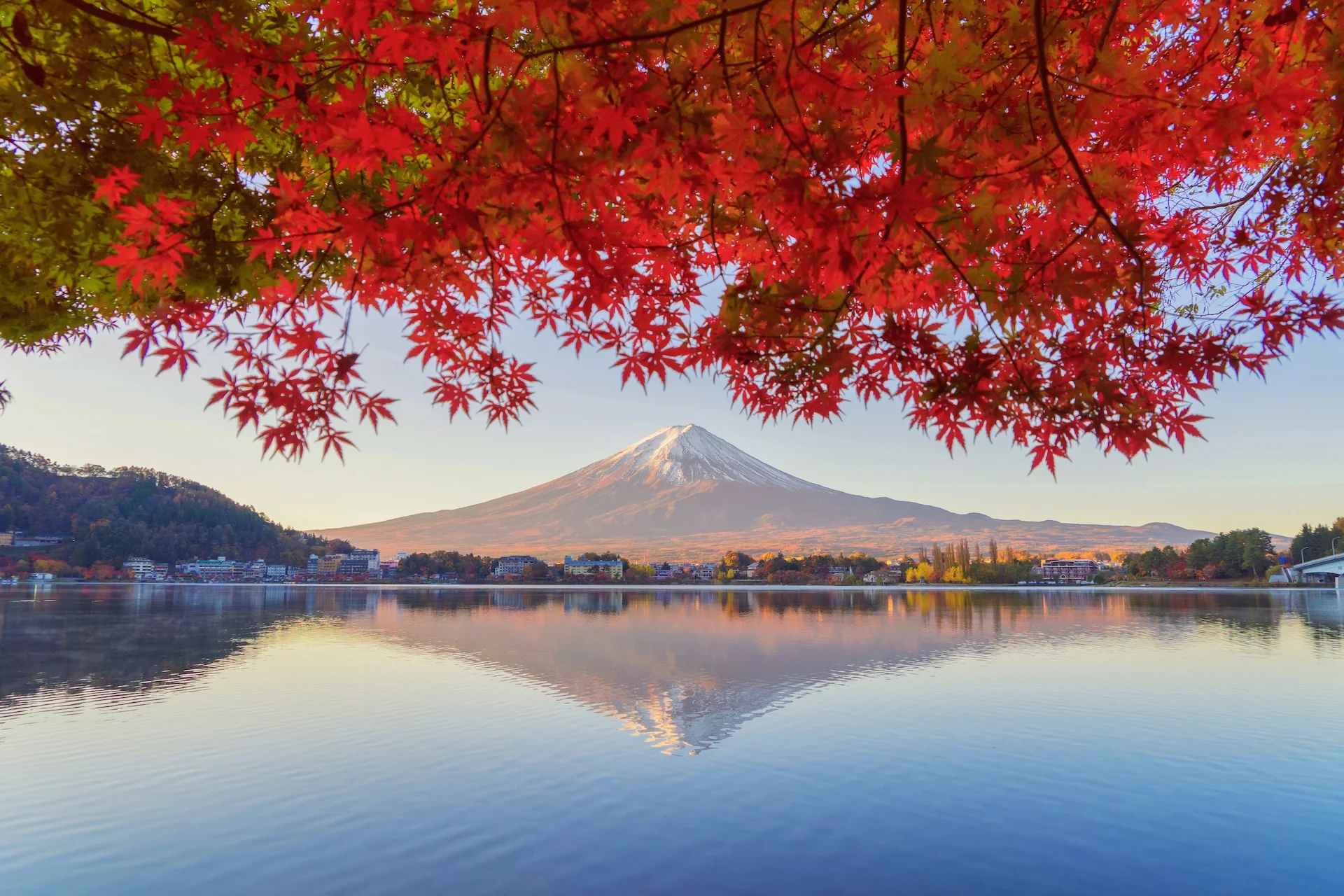
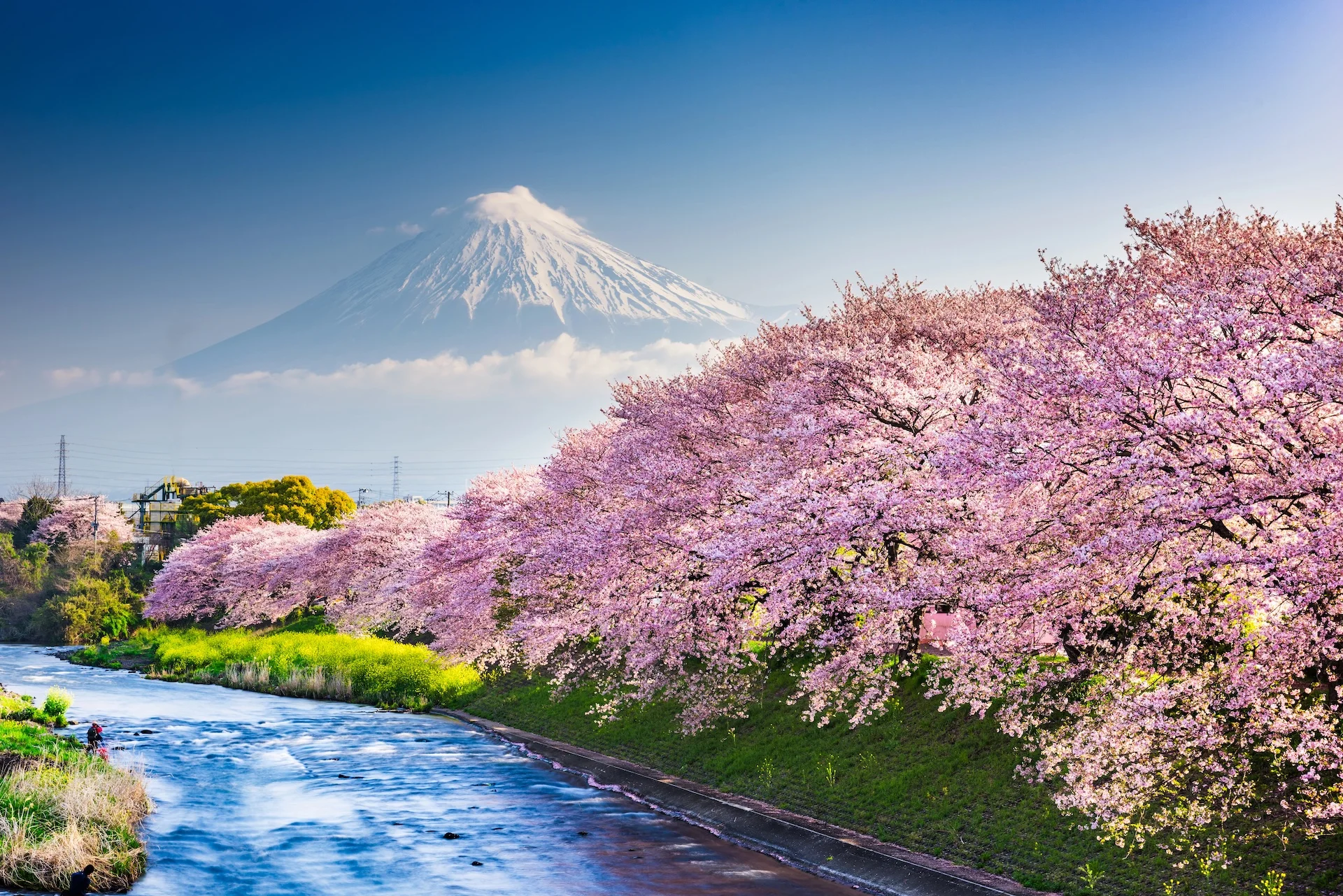
Japan combines island routes in the Seto Inland Sea, exposed Pacific shores and the subtropical islands of Okinawa.
Japan
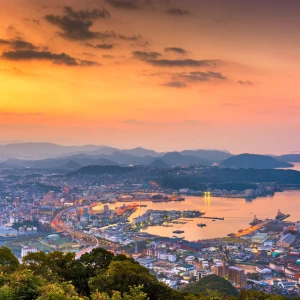
Japan is best explored area by area: climate, scenery and distances between stops change from cool Hokkaido to the southern islands. The Seto Inland Sea offers journeys among islands and old port towns. The outer coasts of Honshu and Shikoku involve more exposed passages, while Okinawa brings coral shores and a different island culture.
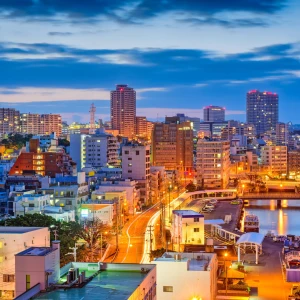
Even within one area, small fishing communities sit alongside large cities and busy shipping routes. Time ashore is part of the appeal: old neighbourhoods, island shrines and local food. A trip need not span several major islands; one area can make a journey in its own right.
Choose the season for the particular coast. A mild southern climate does not mean calm seas, and summer in the north can still be cool and foggy. Strait currents and typhoons can significantly shape the route.
Sailing character
- Island hopping
- Open coast
- Tides
Island passages and inland straits can be combined with exposed coastal routes. Tidal streams matter in narrow passages, while commercial traffic and local navigation rules are important near major ports.
What to explore ashore
- Islands
- Coastal nature
- Historic towns
Watch out
- Currents in straits — Seto Inland SeaEspecially important in the Seto Inland Sea straits and its connecting passages; transit timing depends on the local tidal stream.
- Sea fogPossible in various areas in spring and summer; particularly characteristic of the northern Pacific coast and also found in the Seto Inland Sea.
Sailing areas
Hokkaido and northern Honshu have a shorter warm season and may experience summer sea fog. Conditions in the Seto Inland Sea differ from those on the exposed Pacific coast. Okinawa is warmer but its rainy season starts earlier; a mild winter does not rule out strong winds and rough seas.
- Hokkaido and northern Honshu: Open coast
- Pacific coast of central and southern Honshu and Shikoku: Open coast
- Seto Inland Sea: Island hopping, Tides
- Honshu’s Sea of Japan coast: Open coast
- Kyushu and nearby islands: Island hopping, Open coast
- Southwestern islands, including Okinawa, Miyako and Yaeyama: Island hopping, Open coast
Practical information
Currency
Japanese yen · JPY
Official languages
Japanese
Emergency contacts
Ambulance and fire; police — 110
119Japan Coast Guard
The coasts of Hokkaido, Honshu, Shikoku and Kyushu, the Seto Inland Sea and the southwestern islands as far as Miyako and Yaeyama. This includes the Pacific coasts of the destinations already in the catalogue.
118VHF voice channel 16
118 is the domestic maritime emergency line in Japan. VHF 16 is used for distress voice calls at sea; reception depends on radio coverage.
Official resources
- JMA marine forecasts and warnings · JMA Weather, typhoons and tsunami warnings.
- Coast Guard navigation guidance · Japan Coast Guard Coastal navigation and local traffic rules.
- Customs procedures · Japan Customs Vessel formalities and customs contacts.
- Closed-port permission · MLIT Comprehensive permission for a foreign sightseeing yacht.
Checked
Arriving on a private yacht
A foreign private non-commercial yacht. Clearance of people, the vessel’s customs status and permission to visit ports are separate procedures.
Checked
Arrival from abroad
Arrange the first arrival with the port and customs, immigration and quarantine authorities in advance. A marina reservation does not replace entry clearance.
- Provide yacht, crew and voyage details; confirm advance reporting deadlines and the inspection location. Prepare the yacht registration and passports.
- Check each person’s visa requirements separately. Visa-free entry depends on nationality and documents.
Cruising within Japan
A foreign pleasure yacht needs MLIT permission to visit ports outside the open-port list. A comprehensive permission tied to the yacht is available for sightseeing visits.
- Apply to the transport bureau responsible for the first such call. The permission does not remove local restrictions, berth arrangements or customs procedures.
- Before domestic passages, confirm the yacht’s customs status, whether a status change is needed and the arrival and departure reporting requirements.
Leaving Japan
Arrange outward clearance with customs, immigration and the port before sailing abroad.
- If the yacht’s customs status was changed for domestic voyages, confirm the reverse change before the international passage. Keep the clearance documents.
The yacht and customs
Permission to visit ports is not permission for duty-free import. Agree the customs treatment of the yacht and remaining stores separately, especially for a long stay or a change of use.
Information sources
Checked
-
JMA — Overview of Japan’s climate
Sailing here
-
Japan Coast Guard — For the Safety Navigation in Japanese Coastal Waters
Sailing here · Japan Coast Guard
-
JNTO — Okinawa
Sailing here
-
JNTO — Enjoy the magic of Setouchi, by land and sea
Sailing here
-
JNTO — FAQ
Currency · Official languages
-
JNTO — Japan Visitor Hotline and useful phone numbers
Emergency contacts
-
Japan Coast Guard — official website
Japan Coast Guard
-
Customs rules for yachts
Arrival from abroad · Cruising within Japan · Leaving Japan · The yacht and customs
-
Visa exemption conditions
Arrival from abroad
-
Closed-port permission
Cruising within Japan · The yacht and customs
-
MLIT Kinki Transport Bureau — Closed-port and coastal transport permissions
Cruising within Japan
Marinas on the map
Use the map to place the country, its sailing destinations, islands, and available marina pages before choosing where to sail next.
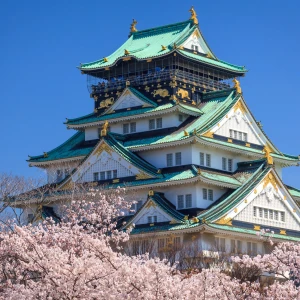
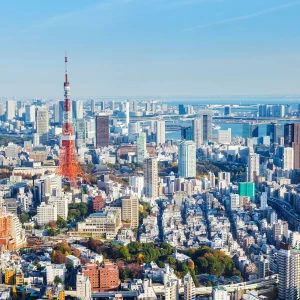
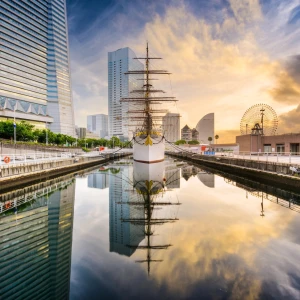
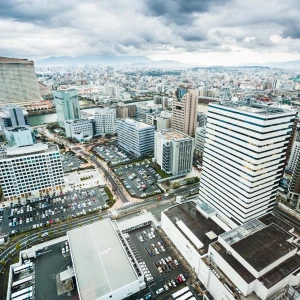
Popular places in Japan
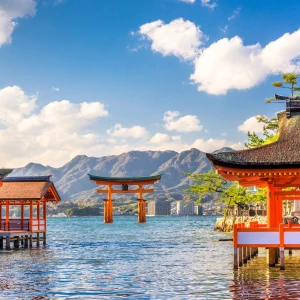
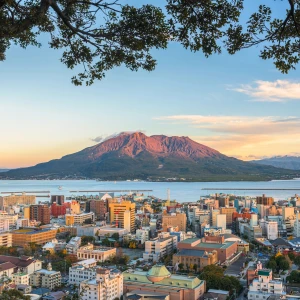
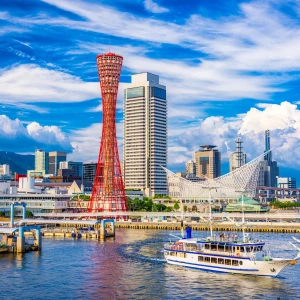
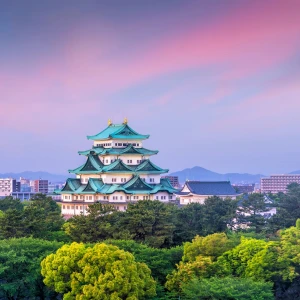
Browse popular sailing places in Japan. Places with the most marinas appear first.
Top rated marinas
Discover the best marinas in Japan, ranked by skipper ratings and reviews.