Marinas in Colombia — Caribbean
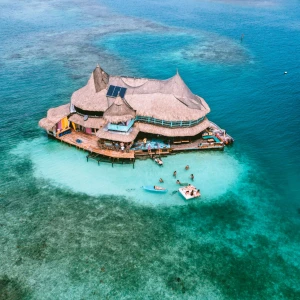
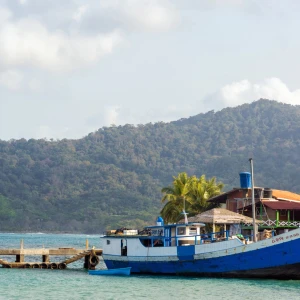
Colombia’s Caribbean coast combines an open mainland shoreline, historic port cities and coral islands with the distant San Andrés and Providencia archipelago.
Colombia
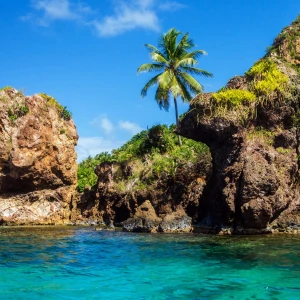
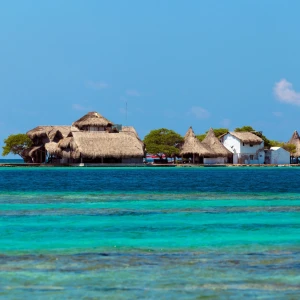
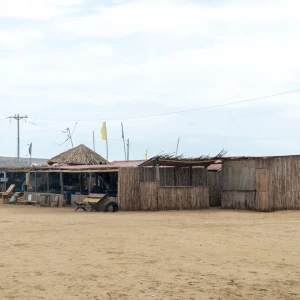
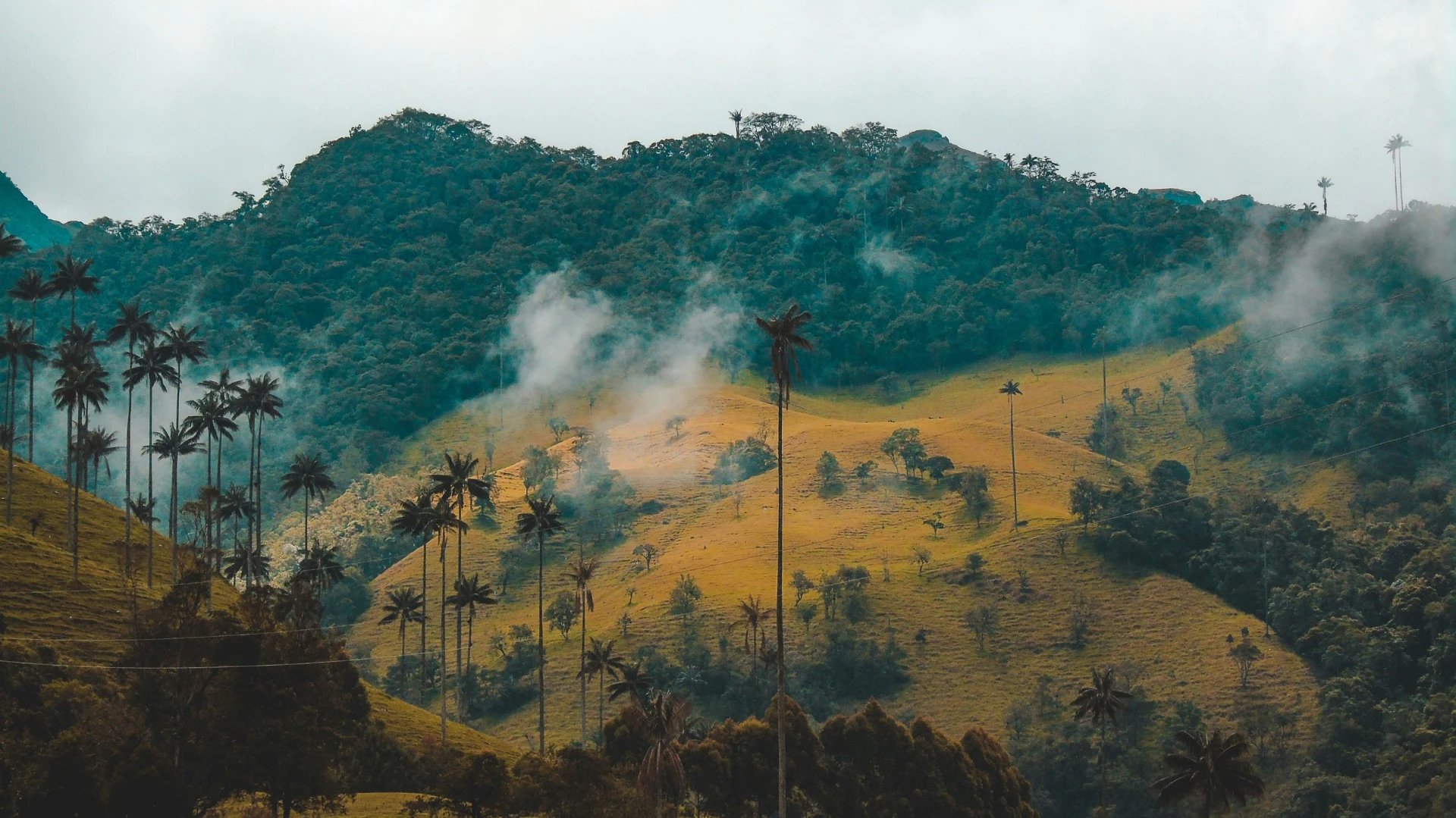
Colombia’s Caribbean coastline ranges from the dry shores of La Guajira and the mountains around Santa Marta to Cartagena Bay and the low coral islands of Rosario and San Bernardo. San Andrés and Providencia lie far from the mainland, so visiting them involves a separate offshore passage.
Winter and spring are usually drier, but they also bring strong north-easterly trade winds. These can build large seas along the exposed coast, particularly in the north. Summer and autumn bring more frequent downpours. The Atlantic hurricane season runs from June to November and also matters when planning visits to Colombia’s islands.
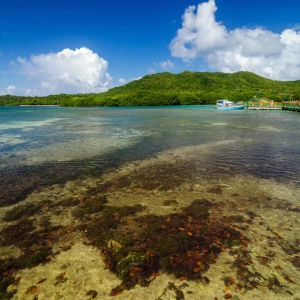
Mainland coastal passages alternate with stops in bays and off islands. There is no continuous chain of sheltered waters: long exposed stretches need suitable weather. Reefs and shoals constrain approaches to the coral islands, making good visibility important even on a short trip to an anchorage.
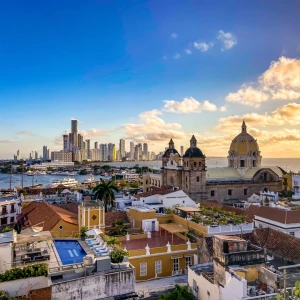
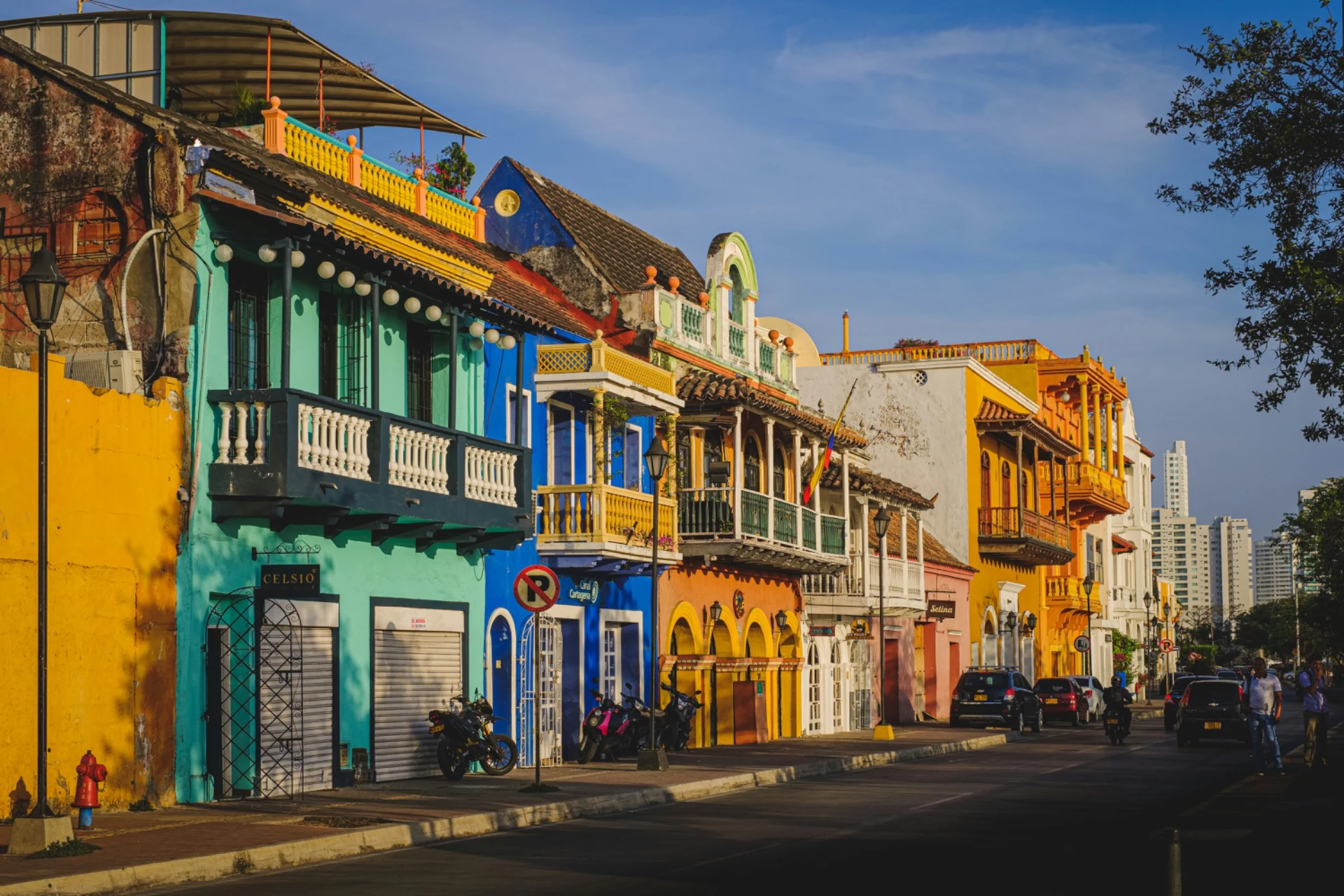
Cartagena stands out ashore for its preserved city walls and old town. Around Santa Marta, a sailing trip can include excursions into mountain landscapes. San Andrés and Providencia offer a different island experience, shaped by Raizal culture, local music and Caribbean cooking.
Sailing character
- Open coast
- Island hopping
- Long passages
Mainland routes are largely exposed coastal passages, while Rosario and San Bernardo offer shorter island legs. San Andrés and Providencia form a distant archipelago requiring preparation for a long offshore passage.
What to explore ashore
- Islands
- Coastal nature
- Historic towns
Watch out
- Exposed seas and trade windsStrong dry-season winds can create rough seas along the exposed coast. Check wind and wave forecasts specifically for northern coastal legs and passages to the archipelago.
- Reefs and shoalsApproaches to coral islands require current charts, attention to draught and good visibility. Plan unfamiliar reef passages for daylight.
- Protected watersMarine parks have zoning, mooring rules and temporary closures. National entry clearance does not replace any permissions required by an individual park.
Sailing areas
Mountains and local breezes influence winds around Santa Marta; its conditions cannot be applied to the entire mainland coast. Providencia is usually driest in February–April, while December can still be wet. Assess the passage to the distant archipelago separately from coastal sailing. Monthly categories are editorial guidance, not a weather or shelter guarantee.
- Mainland coast and coastal islands: Open coast, Island hopping
- San Andrés, Providencia and Santa Catalina: Long passages, Island hopping
Practical information
Currency
Colombian peso · COP
Official languages
Spanish
Official resources
- DIMAR / CIOH marine forecast · DIMAR / CIOH Wind and wave forecasts for the specific passage area.
- DIMAR: private yacht arrival procedure · DIMAR Special procedure; confirm current arrangements with the Capitanía de Puerto.
- DIAN: temporary admission · DIAN Instructions and electronic customs applications.
- Migración Colombia: entry and exit · Migración Colombia Crew documents and immigration requirements.
- OCCRE: visiting the archipelago · OCCRE Separate tourist-card rules for San Andrés and Providencia.
- FCDO regional travel advice · UK Foreign, Commonwealth & Development Office Current advisories and exceptions for particular coastal areas.
Checked
Arriving on a private yacht
A foreign private pleasure yacht without commercial activity. Charter, commercial trips, repairs and leaving a yacht for an extended period require separate arrangements.
Checked
Before arrival
Agree the entry location, advance notification and clearance with the Capitanía de Puerto before arrival.
- DIMAR’s general procedure requires notice through SITMAR by a maritime agent at least 24 hours ahead. Non-commercial yachts also have a special procedure: confirm with the harbour authority who submits the notice and which steps apply to your vessel. Do not rely solely on a first radio call at the entrance.
- Prepare passports, a crew list, yacht registration, owner’s documents and clearance from the previous country. Check visa requirements for each nationality. Confirm the required vessel documents and arrangements for official attendance in advance.
Arrival and clearance
Permission to enter port does not complete immigration or customs clearance.
- Report your approach and arrival to traffic control or the Capitanía on VHF 16 and follow instructions on where to wait and go ashore. Do not assume every marina or anchorage offers international clearance.
- Clear the crew with Migración Colombia and arrange the yacht’s temporary admission with DIAN. Keep confirmations and authorised dates. CheckMig is currently a free, optional advance form; it does not replace immigration control.
Domestic passages and the archipelago
Check outward clearance, known as a zarpe, before moving between port jurisdictions. The archipelago has additional visitor rules.
- Agree the next port and reporting requirements with the harbour authority. Update documents when crew changes. For remote anchorages around Urabá and the Panama border, separately check current conditions and regional security advice.
- Before San Andrés or Providencia, check tourist-card arrangements and the permitted visit duration with OCCRE. Visitors arriving by private yacht must provide certification from the port authority in place of a round-trip ticket to obtain the tourist card. This is separate from entry into Colombia.
Marine parks and island stops
Check shore access and anchoring permission separately for each area.
- Before visiting, ask the park administration about permitted zones, fees, registration and current closures. Do not anchor on coral; use an authorised location or a suitable mooring buoy. Not every buoy is designed for your yacht.
International departure
Complete vessel and crew departure clearance before sailing to another country.
- Arrange the zarpe with the Capitanía or agent, confirming the application deadline and permit validity. Complete crew exit formalities and agree with DIAN how to discharge temporary admission when the yacht leaves; retain proof.
Vessel and crew stay
Check the person’s and yacht’s deadlines separately. For private pleasure or sport vessels capable of offshore navigation, article 219, paragraph 3 of Decreto 1165 de 2019 allows DIAN to authorise temporary admission for up to one year, extendable for another year. This period is not automatic and does not extend the crew’s immigration permission. Confirm the applicable regime and actual deadlines with DIAN. Agree extended storage, repairs or the owner leaving without the yacht with DIAN and the Capitanía beforehand. Marina consent to leave the yacht is not customs permission.
Information sources
Checked –
-
CIOH / DIMAR — Climatología, Cartagena
Sailing here
-
CIOH / DIMAR — Climatología, Santa Marta
Sailing here
-
CIOH / DIMAR — Climatología, Providencia
Sailing here
-
NHC — Tropical Cyclone Climatology
Sailing here
-
Colombia Travel — Gran Caribe Colombiano
Sailing here
-
Colombia Travel — Islas del Rosario y de San Bernardo
Sailing here
-
IGAC — Expediciones, Providencia
Sailing here
-
Parques Nacionales — Old Providence McBean Lagoon
Sailing here · Marine parks and island stops
-
UNESCO — Port, Fortresses and Group of Monuments, Cartagena
Sailing here
-
DIMAR / CIOH — SIPSEM
Sailing here
-
Parques Nacionales — Piden usar boyas para proteger los corales, 13 noviembre 2026
Sailing here · Marine parks and island stops
-
Parques Nacionales — Cierre temporal del sector Crab Cay
Sailing here · Marine parks and island stops
-
Banco de la República — Depreciación del peso colombiano
Currency
-
Función Pública — Constitución Política, artículo 10
Official languages
-
Policía Nacional — Recomendaciones COP 16
Emergency contacts · Guardacostas — Armada de Colombia
-
DIMAR — Maritime emergency assistance
Guardacostas — Armada de Colombia
-
DIMAR — Resolución 0581 de 2025, Servicio de Tráfico Marítimo
Before arrival · Domestic passages and the archipelago · International departure
-
DIMAR — Resolución 0733 de 2025
Before arrival
-
DIMAR — Resolución 0143 de 2013
Before arrival · Arrival and clearance · Domestic passages and the archipelago · International departure
-
Migración Colombia — Requisitos de entrada y salida del país
Before arrival · Arrival and clearance · International departure · Vessel and crew stay
-
DIAN — Resolución 46 de 2019, artículo 236
Before arrival · Arrival and clearance · Vessel and crew stay
-
DIAN — Importación temporal de medios de transporte de turistas
Arrival and clearance · Vessel and crew stay
-
Migración Colombia — CheckMig
Arrival and clearance
-
OCCRE — Decreto 2762 de 1991, artículos 14–17
Domestic passages and the archipelago
-
FCDO — Colombia, regional risks
Domestic passages and the archipelago
-
DIAN — Decreto 1165 de 2019, artículos 216 y 219
International departure · Vessel and crew stay
Marinas on the map
Use the map to place the country, its sailing destinations, islands, and available marina pages before choosing where to sail next. Open the full marina map
Sailing destinations in Colombia
Choose a destination to explore marinas and reviews from sailors. Destinations with the most marinas listed on Sailors.tips appear first.