Marinas in Bahamas — Caribbean
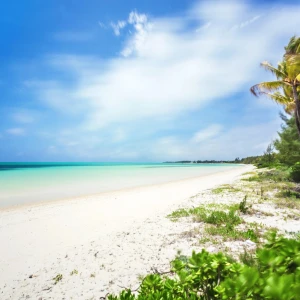
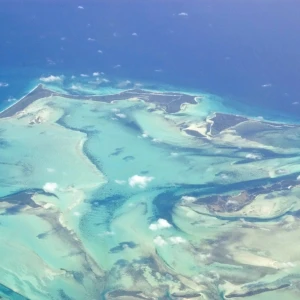
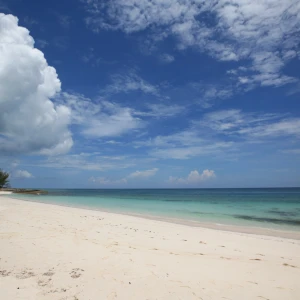
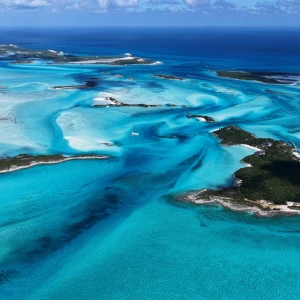
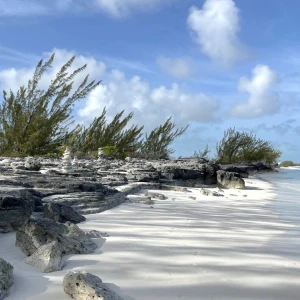
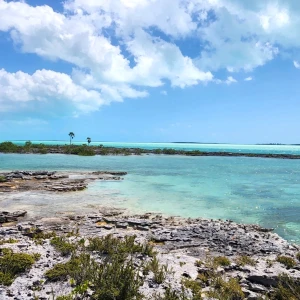
The Bahamas are an Atlantic archipelago north of Cuba, with low islands, long beaches and broad shallow banks separated by deep channels.
Bahamas
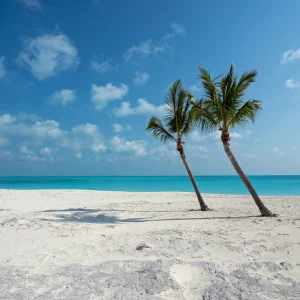
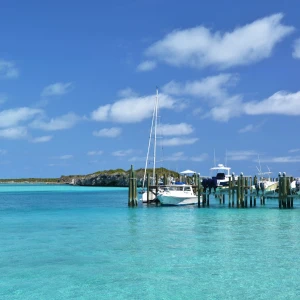
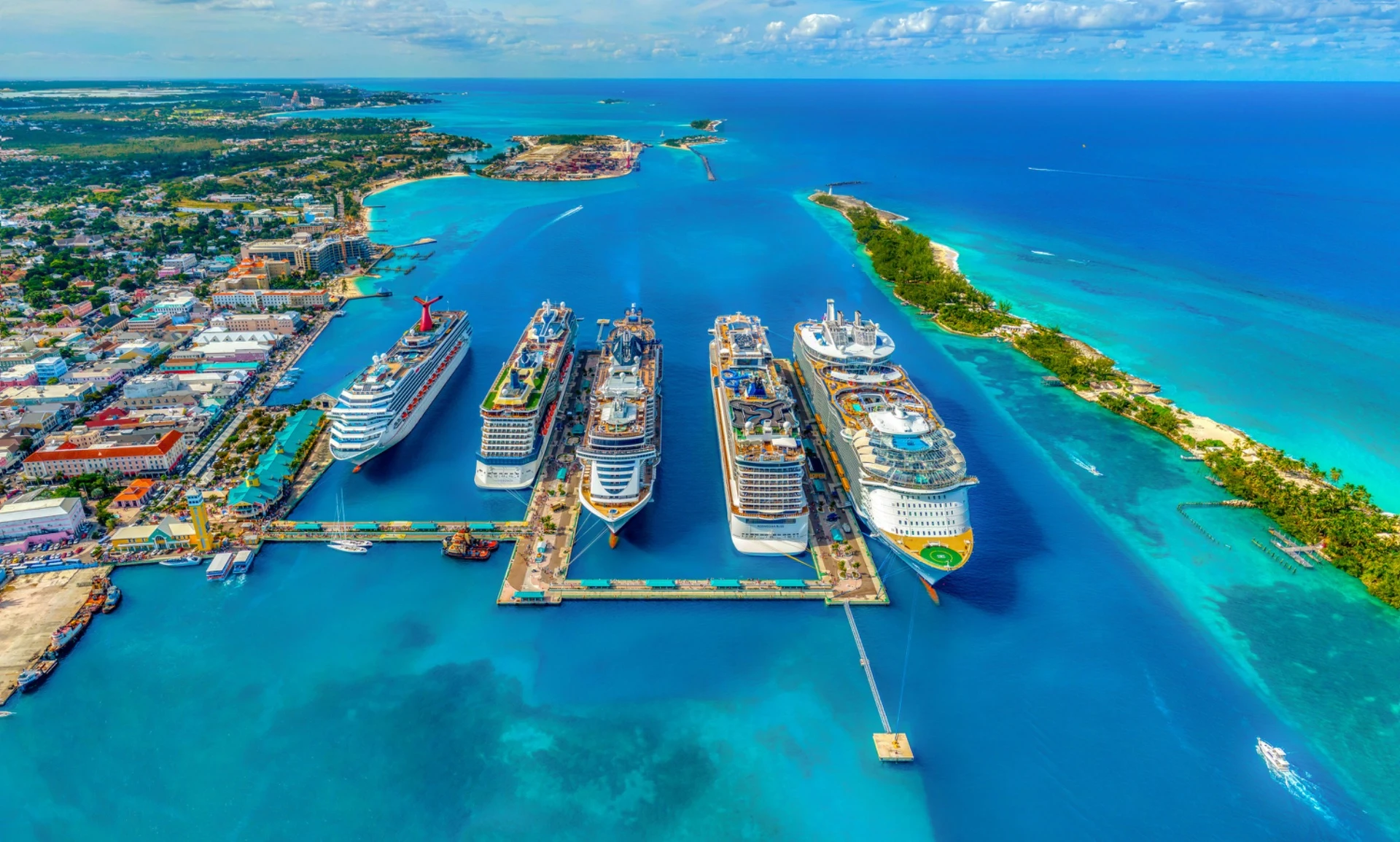
The Bahamas stretch across the Atlantic east of Florida and north of Cuba. Around Abaco and the Exumas, chains of small islands allow cruises with stops near beaches and settlements. Deep channels and open sea separate island groups, so exploring the whole archipelago takes considerably longer than visiting one area.
Winter and spring are the usual choice for a sailing trip. The northern islands can be cool in winter, and cold fronts bring strong winds and changes in wind direction. Summer is hotter and more humid; the Atlantic hurricane season runs from June to November.
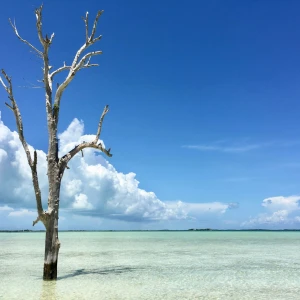
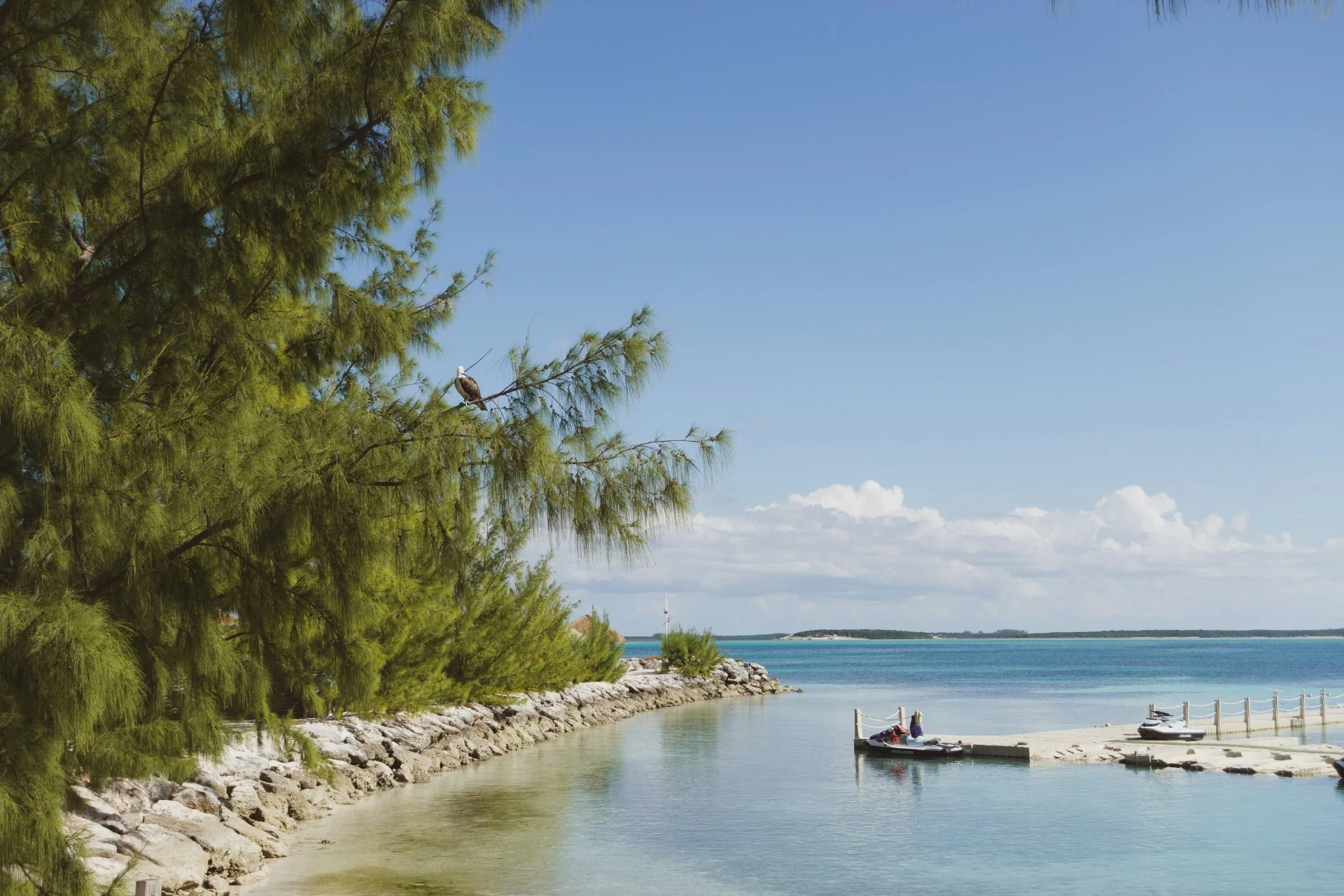
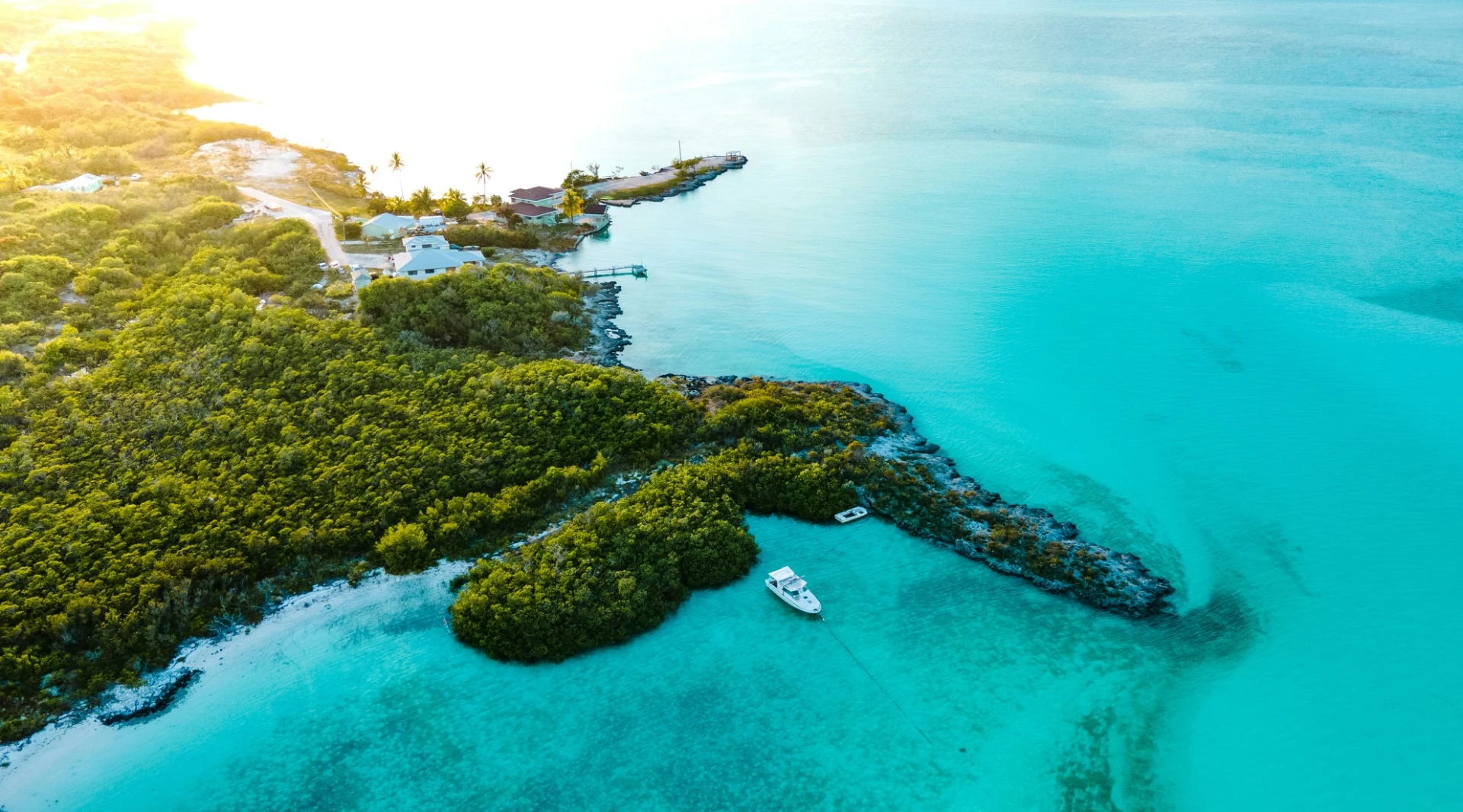
Shallow water shapes many Bahamian routes. Yacht draft and tides constrain passages across the banks, while gaps between cays can carry strong currents.
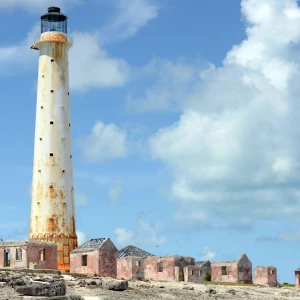
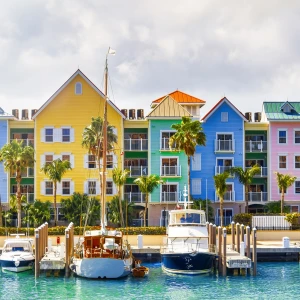
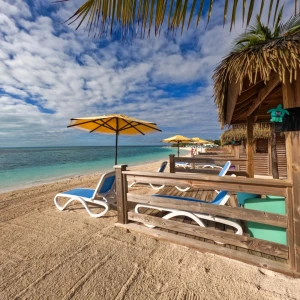
Ashore, beaches and small island settlements are central to the experience. Abaco retains boatbuilding traditions and colourful wooden houses. Among the Exuma islands, a marine nature park protects reefs and sand flats, drawing visitors for its waters, marine life and quiet shores.
Sailing character
- Island hopping
- Open coast
- Long passages
Within Abaco or the Exumas, neighbouring islands allow short passages; travel between groups includes open sea. Routes across the banks depend on draft and tides. The crossing from Florida traverses the Gulf Stream, where wind opposing the current can produce steep seas.
What to explore ashore
- Islands
- Coastal nature
- Maritime heritage
Watch out
- Shallow banks and reefsDepths on the banks and around islands limit routes and anchorages; suitability depends on yacht draft and water level.
- Currents in inter-island cutsTidal currents can be strong in narrow gaps between cays. Conditions differ from waters behind the islands and change through the tidal cycle.
Sailing areas
The north is cooler in winter, while the southeast is generally drier. The climatic dry period is mainly November–April; wetter conditions begin around late May. November is marked transitional, but the official hurricane season continues until 30 November. Monthly categories are a general guide, not a guarantee of weather or anchorage access.
- Bimini, Grand Bahama and Abaco: Island hopping, Open coast
- Andros, New Providence and the Berry Islands: Island hopping, Open coast
- Exuma and Eleuthera: Island hopping, Open coast
- Cat Island, Long Island and the southeastern islands: Open coast, Long passages
Practical information
Currency
Bahamian dollar · BSD
Official languages
English
Emergency contacts
Ambulance, fire, police; also 919
911Royal Bahamas Defence Force — Coral Harbour
+12423621818VHF voice channel 16
Use VHF 16 for a voice distress call at sea. The listed number is for RBDF Coral Harbour Base; an official protocol also gives it for the Operations Centre. A dedicated round-the-clock MRCC line and continuous radio coverage across all islands have not been confirmed. Ashore, call 911 or 919.
Official resources
- Marine forecast · Bahamas Department of Meteorology Check the forecast validity period and area.
- Weather alerts · Bahamas Department of Meteorology Current warnings from the national weather service.
- Yacht entry and permits · Bahamas Ministry of Tourism, Investments and Aviation Clearance procedures and links to approved portals.
- Fee changes from April 2026 · Bahamas Ministry of Tourism, Investments and Aviation Cruising permit periods and the separate anchorage fee; check for further changes before travelling.
- Passports, visas and permitted stay · Bahamas Department of Immigration Requirements for each person aboard.
- Exuma marine park · Bahamas National Trust Visitor rules and park contacts.
Checked
Arrival by private yacht
A foreign private leisure yacht. Charter, commercial voyages and special visa cases require separate checks. Entry permission does not confirm access to a particular marina or anchorage.
Checked
Before arrival
Identify the nearest designated port of entry and prepare the vessel and crew documents in advance.
- Prepare passports, vessel registration and ownership documents, and a list of everyone aboard. Check visas and passport requirements for each traveller.
- The official guide links to Click2Clear or Go Outdoors Bahamas for a cruising permit. Online application and payment do not replace arrival clearance with Customs and Immigration; if the service is unavailable, agree a procedure with the entry port.
- Foreign pleasure vessels 50 feet or longer must keep a working AIS switched on at all times in Bahamian waters, including while docked.
Arrival
Make your first stop at the nearest designated port of entry to clear Customs and Immigration.
- Fly the yellow quarantine flag and notify Customs of arrival. Only the captain may go ashore before clearance is completed; everyone else remains aboard.
- Check cruising permit validity, re-entry conditions and whether an anchorage fee applies. Immigration sets each person’s permitted stay; it is not determined by the vessel permit’s validity.
Cruising, fishing and marine parks
A cruising permit does not replace fishing permits or protected-area rules.
- Before fishing, obtain the relevant separate permit and check restrictions on gear, species and seasons. Exuma Cays Land & Sea Park is a no-take area: fishing and collecting natural objects are prohibited.
- In parks, check permitted anchoring areas, moorings and local fees separately. Payment to Exuma Park does not reserve a mooring or confirm availability.
Before international departure
Confirm outbound formalities with Customs and Immigration at the last port.
- The official guide requires the immigration card to be surrendered at the last Bahamian port. Confirm how to close the vessel’s record in the system and retain any departure documents issued.
- A return visit requires fresh clearance even when the chosen permit includes a free re-entry.
Vessel permit and fees
A foreign private leisure yacht requires a cruising permit. Since April 2026, options have different validity periods and re-entry conditions. A separate anchorage fee is listed for vessels not docking at a marina; when combining marina stays and anchoring, confirm the calculation with Customs. Fishing permits and marine-park fees are separate checks.
Information sources
Checked
-
Bahamas Department of Meteorology — Climate of The Bahamas
Sailing here
-
The Moorings — Bahamas Sailing Adventures
Sailing here
-
NOAA NHC — Tropical Cyclone Climatology
Sailing here
-
NASA — Earth, Tidal Flats and Channels, Bahamas
Sailing here
-
The Moorings — Insider Tips for Sailing the Exumas
Sailing here
-
Bahamas Ministry of Tourism — About the Abacos
Sailing here
-
NOAA Ocean Prediction Center — Wind Against Current
Sailing here
-
Bahamas National Trust — Exuma Cays Land & Sea Park
Sailing here · Royal Bahamas Defence Force — Coral Harbour · Cruising, fishing and marine parks
-
NASA — Tidal Flats and Channels, Long Island, Bahamas
Sailing here
-
Bahamas Ministry of Tourism — Travel Basics
Currency
-
Bahamas High Commission London — Culture
Official languages
-
UK FCDO — Bahamas: Getting help
Emergency contacts · Royal Bahamas Defence Force — Coral Harbour
-
Royal Bahamas Defence Force — Contact Us
Royal Bahamas Defence Force — Coral Harbour
-
RBDF — Emergency Operations Protocols and Procedures
Royal Bahamas Defence Force — Coral Harbour
-
Bahamas Ministry of Tourism — Boating Regulations
Before arrival · Arrival · Cruising, fishing and marine parks · Before international departure · Vessel permit and fees
-
Bahamas Immigration — Entry Requirements
Before arrival · Arrival
-
Port Authorities Act — AIS (§40B)
Before arrival
-
Port Authorities (Amendment) Act, 2026 — Fourth Schedule
Before arrival
-
Bahamas Ministry of Tourism — Cruising Permit and Anchorage Fees, 1 April 2026
Arrival · Before international departure · Vessel permit and fees
-
Bahamas National Trust — Exuma Cays Park Rules
Cruising, fishing and marine parks
-
Bahamas National Trust — Exuma Park Fees
Cruising, fishing and marine parks · Vessel permit and fees
Marinas on the map
Use the map to place the country, its sailing destinations, islands, and available marina pages before choosing where to sail next. Open the full marina map
Sailing destinations in Bahamas
Choose a destination to explore marinas and reviews from sailors. Destinations with the most marinas listed on Sailors.tips appear first.