🇫🇷 Marinas in France — Atlantic Europe
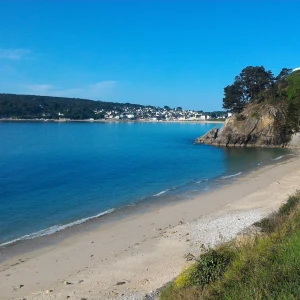
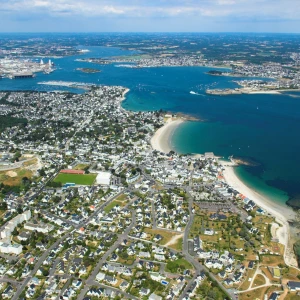
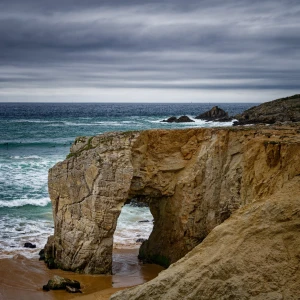
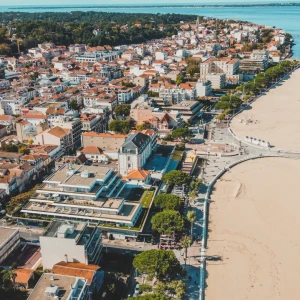
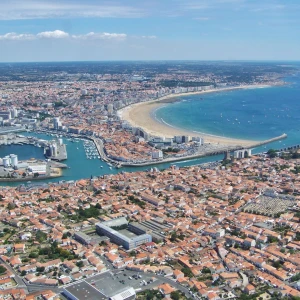
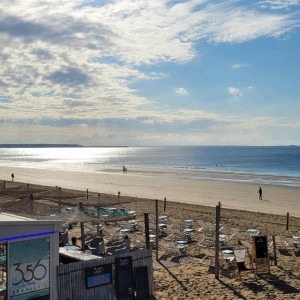
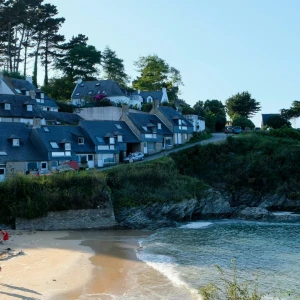
France’s Atlantic coast ranges from the rocky headlands and islands of Brittany to historic port towns and the long sandy beaches of the Bay of Biscay.
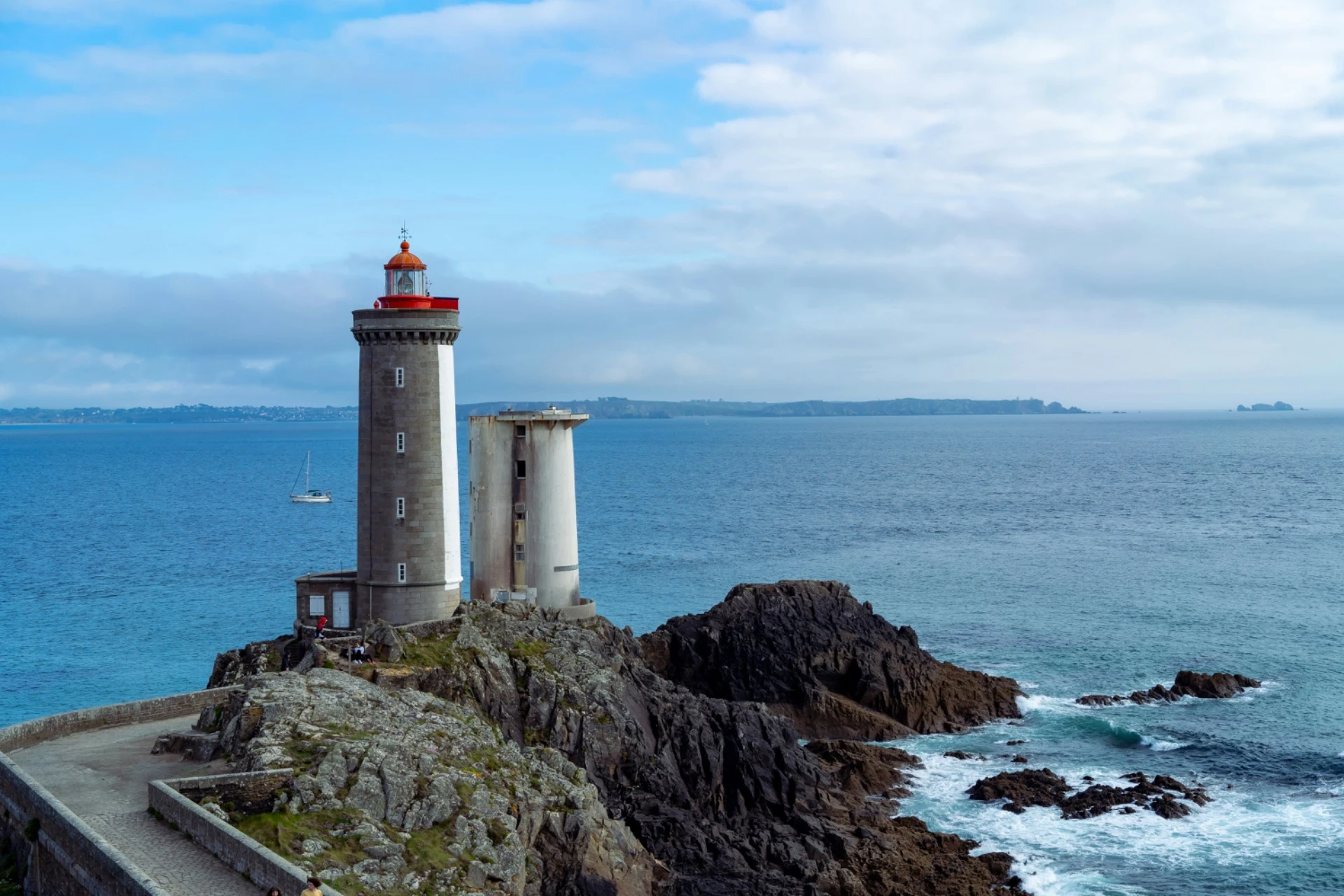


France
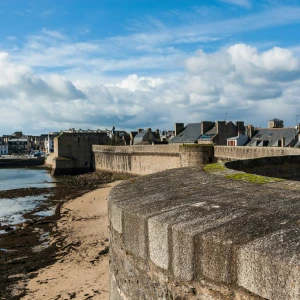
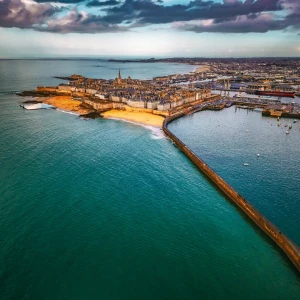
Along the French side of the English Channel, from the Cotentin Peninsula to northern Brittany, the shoreline changes visibly with the tide. At low water a path emerges from the walls of Saint-Malo to the islet of Grand Bé. The same rise and fall determines when a yacht can enter some of the local harbours.
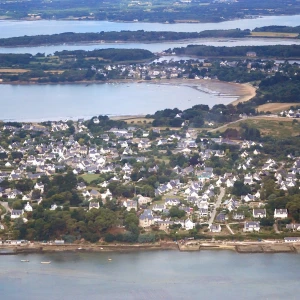
After rounding Brittany’s western headlands, you can spend several days sailing between the islands and the mainland. Farther south, near La Rochelle, the islands of Ré and Oléron separate the inshore passages from the open ocean. Sandy beaches and dunes stretch along the Aquitaine coast, giving way to rocky shores again near the Spanish border.
Summer’s long days make it a good time for a coastal cruise. Even in July and August, Brittany can be cool and wet. Off exposed headlands, both the tidal stream and the Atlantic swell matter when choosing a time to sail.
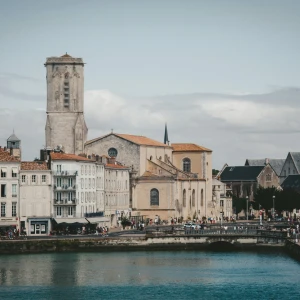
In La Rochelle, stone towers frame the entrance to the old harbour. In Les Sables-d’Olonne, crowds line the harbour channel to welcome sailors returning from the Vendée Globe round-the-world race. In the oyster villages around Arcachon Bay, you can go ashore and taste the local oysters by the water.
Sailing character
- Tides
- Open coast
- Island hopping
Along the Channel and in Brittany, tides shape passage timing and access to some harbours. Farther south, open stretches alternate with islands and inshore channels. Aquitaine is largely exposed to the ocean; shifting sandbanks and swell matter at lagoon and estuary entrances.
What to explore ashore
- Historic towns
- Maritime heritage
- Coastal nature
Watch out
- Tidal harbour access — Channel coast and Normandy, Northern and western Brittany, Southern Brittany, Loire coast and Vendée, Charente coast and Gironde estuary, Aquitaine and Basque coastsSome harbours have access limited by water levels, sills or gates. At sandy entrances, especially on the Aquitaine coast, shifting banks and ocean swell also matter.
- Strong currents in narrow passages — Channel coast and Normandy, Northern and western Brittany, Southern BrittanyAt some Cotentin headlands, in western Brittany’s straits and in the narrow channels of Morbihan, tidal streams strongly affect passage timing and conditions.
Sailing areas
The Channel and western Brittany are generally cooler in summer than the coast farther south. Vendée and Charente are generally drier than coastal Brittany; rainfall increases again near the French Basque Country, especially in winter and spring. Warm weather ashore does not imply small Atlantic swells along exposed Aquitaine shores. Early autumn can still suit a cruise, but calls for more flexibility around weather, especially in the north.
- Channel coast and Normandy: Tides, Open coast
- Northern and western Brittany: Tides, Open coast, Island hopping
- Southern Brittany: Tides, Island hopping, Open coast
- Loire coast and Vendée: Tides, Open coast, Island hopping
- Charente coast and Gironde estuary: Tides, Island hopping, Open coast
- Aquitaine and Basque coasts: Tides, Open coast
Practical information
Currency
Euro · EUR
Official languages
French
Official resources
- Marine forecasts and BMS · Météo-France Wind, sea state and warnings for the selected area
- Tide predictions · SHOM Tide times and heights at the selected port
- Navigation warnings · SHOM / PING AVURNAV, local notices and maritime restrictions
- Notices to Mariners · SHOM Notices for updating charts and publications
- Nautical charts and sailing directions · SHOM Official charts, sailing directions and tidal atlases
Checked
Arriving by private yacht
Private leisure cruising on France’s Channel and Atlantic coasts. Border procedures depend on the voyage, personal entry rights depend on travel documents, and the yacht’s customs treatment is a separate matter.
Checked
From another Schengen port
For example, a direct passage from mainland Spain: normally without external-border clearance, though checks remain possible.
- Carry documents for everyone aboard and for the yacht. Before the passage, check temporary border measures and the destination port’s requirements.
From outside Schengen
A passage from the UK or Channel Islands requires border clearance regardless of the nationality of those aboard.
- Choose a maritime border crossing point (PPF), arrange arrival procedures and confirm control hours. Check each person’s documents and entry eligibility.
- For arrival outside a PPF, use only the special procedure below. Departure from Schengen also requires border clearance.
Special arrival at a marina without a PPF
Available only at officially listed marinas after agreement with the port; a berth reservation alone is not sufficient.
- Obtain port permission and send it the vessel and crew form at least 24 hours before arrival; for a shorter passage, send it no later than departure from the non-Schengen port.
- Arrange completion of the checks before going ashore. The form must also be sent to the port when departing for a non-Schengen destination.
The yacht’s customs status
Schengen rules for people do not determine the yacht’s customs status; flag and registration alone do not prove it. A non-Union yacht may qualify for temporary admission subject to registration, ownership and user conditions; the usual period for private use is up to 18 months. Personal stay limits are separate.
Information sources
Checked –
-
Météo-France — Le climat en France hexagonale et Corse
Sailing here
-
Météo-France — Séquence tempétueuse dans le nord de l’Europe
Sailing here
-
Météo-France — L’automne
Sailing here
-
OFB — Le Bassin et son lien à l’océan
Sailing here
-
Météo-France — Brest-Guipavas, normales 1991–2020
Sailing here
-
Météo-France — La Rochelle–Île de Ré, normales 1991–2020
Sailing here
-
SHOM — Instructions nautiques, extrait La Manche
Sailing here
-
SHOM — Marée et courants de marée
Sailing here
-
Ports de la Manche — Port de Hérel, Granville
Sailing here
-
Tourisme Bretagne — L’archipel des Glénan
Sailing here
-
Bassin d’Arcachon — Villages et ports ostréicoles
Sailing here
-
Golfe du Morbihan Vannes Tourisme — Le courant de la Jument
Sailing here
-
Météo-France — Météo Marine
Sailing here
-
European Union — France
Currency · Official languages
-
European Commission — 112
Emergency contacts
-
Ministère chargé de la mer — Règles de sécurité pour les loisirs nautiques
CROSS
-
EUR-Lex — Schengen Borders Code, Annex VI 3.2
From another Schengen port · From outside Schengen · Special arrival at a marina without a PPF
-
Temporary border controls
From another Schengen port
-
Rules and port lists
From outside Schengen · Special arrival at a marina without a PPF
-
Travel documents and visas
From outside Schengen
-
Form and instructions
Special arrival at a marina without a PPF
-
Yacht status and temporary admission
The yacht’s customs status
Marinas on the map
Use the map to place the country, its sailing destinations, islands, and available marina pages before choosing where to sail next. Open the full marina map
Sailing destinations in France
Choose a destination to explore marinas and reviews from sailors. Destinations with the most marinas listed on Sailors.tips appear first.